
Kyoto
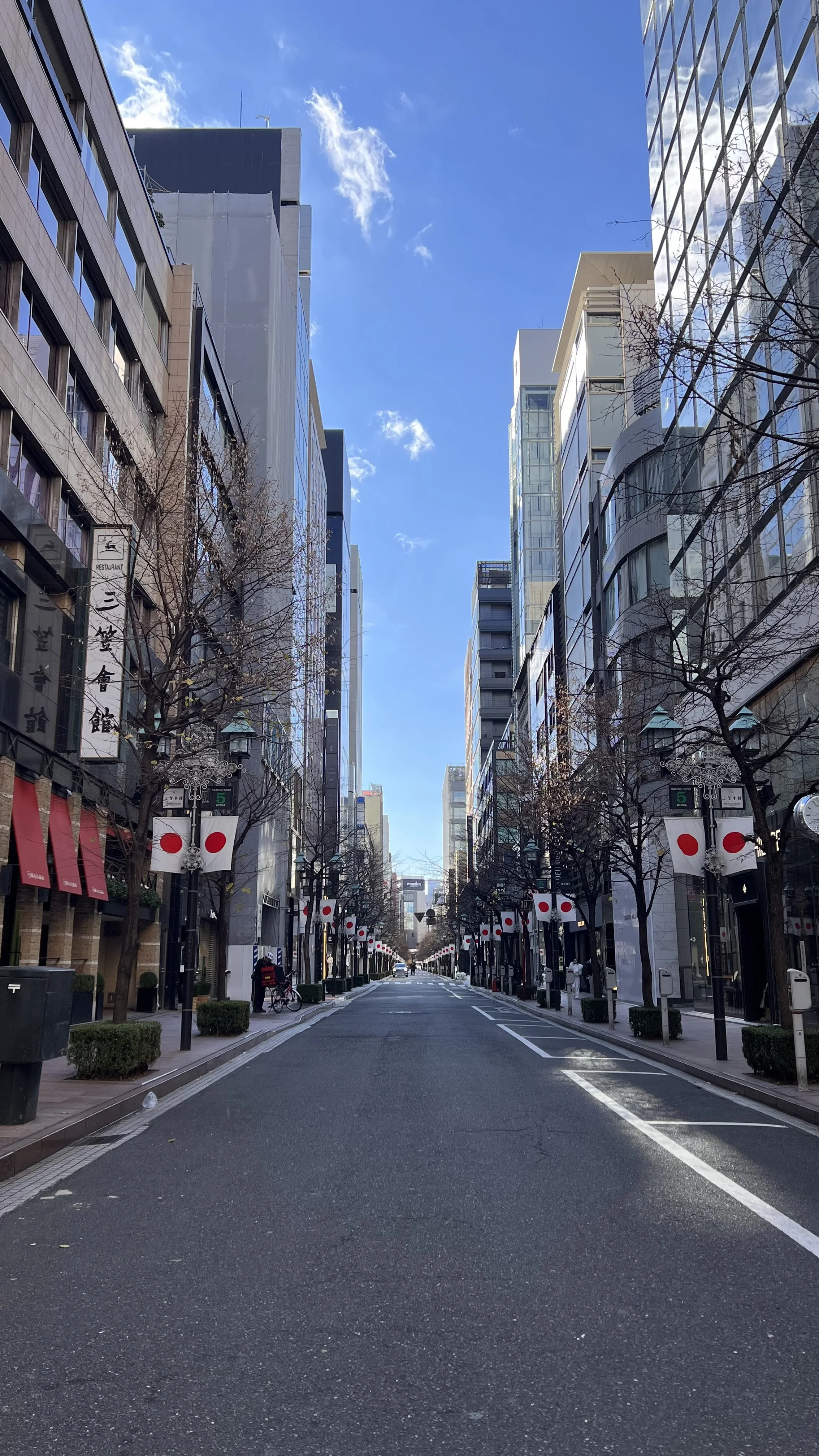
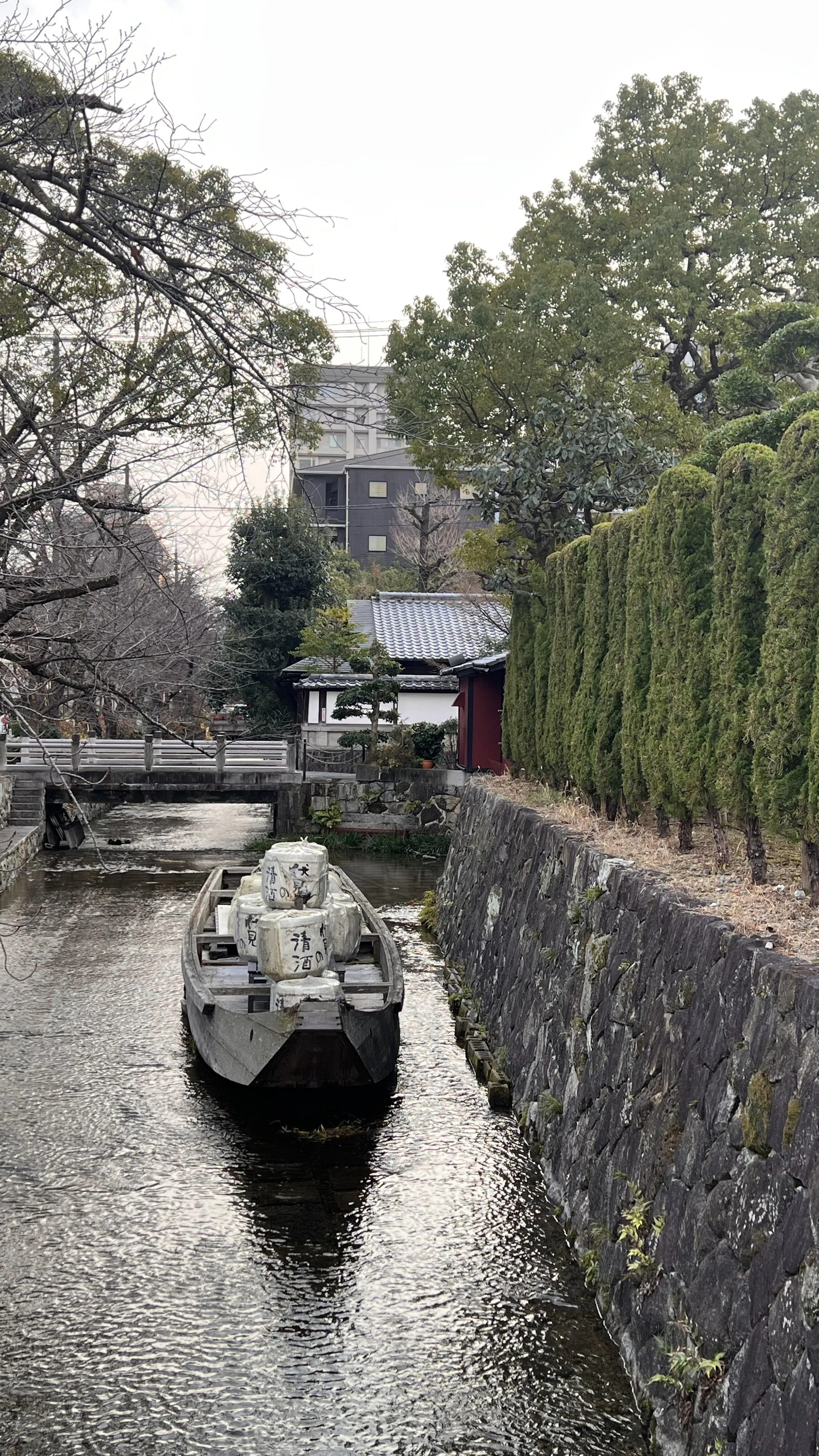
Tokyo and Kyoto are places where elegance, quality, and good taste still matter. Cities that remind you that greeting someone, smiling, and saying thank you are the most basic forms of human communication. Places where helping others feels like a natural reflex. At least, that was our experience.
That’s why we loved these two cities so much and why we want to go back as soon as possible.
They are also enormous. You can’t really “discover” Tokyo or Kyoto by going once and staying for ten days. And trying to see everything while you’re there doesn’t make much sense either — because then you start losing the value of what you’re actually seeing. You need to slow down and absorb things. Observe the people, the rhythm, the buildings, and of course — for me most importantly — digest the food culture.
Before I connect Tokyo and Kyoto to Paris, let me say one thing. Even if my closest friends and many influencers or bloggers say otherwise, do yourself a favor and make reservations, at least for dinner.
Especially if, like me, you travel with food and wine as your foundation. Otherwise, you’ll find yourself standing around in the evening with thousands of other people, staring at the same restaurant apps, failing to find a table — and eventually eating badly. Yes, badly. Just like anywhere else in the world, there is bad food in these cities too.
So, how do we get to Paris? 😁
Through food, of course. Starting from my own neighborhood, I want to talk about a few chefs who, ever since the day we moved to Paris, have unknowingly been preparing me for Japan.
Dedication. Consistency. Humility. Simplicity. Creativity without forcing it.
These are the common threads among my favorite Japanese chefs in Paris.
Let’s begin.
⸻
Tampopo - Masami Kawabe (first visit: 2017)
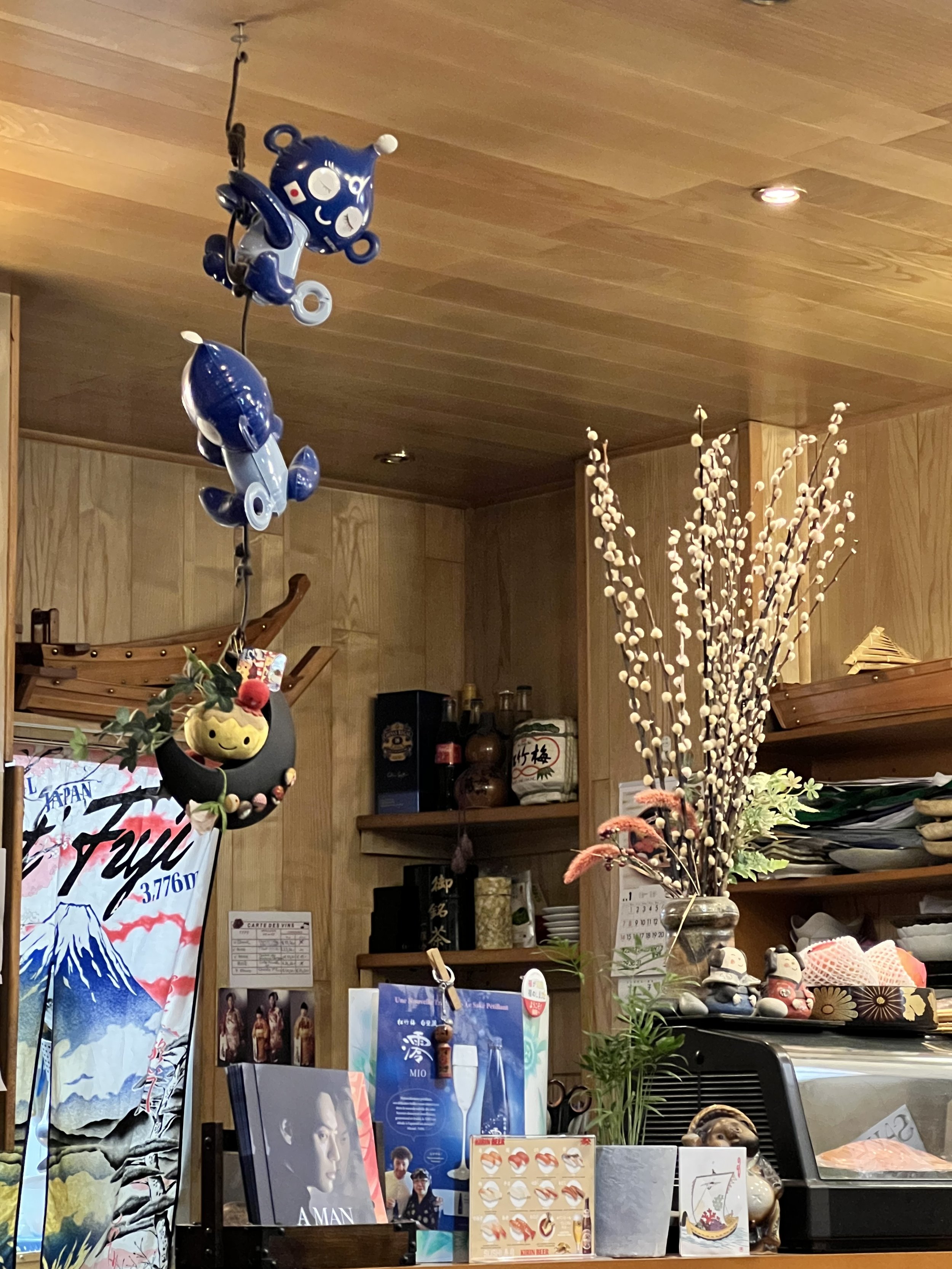
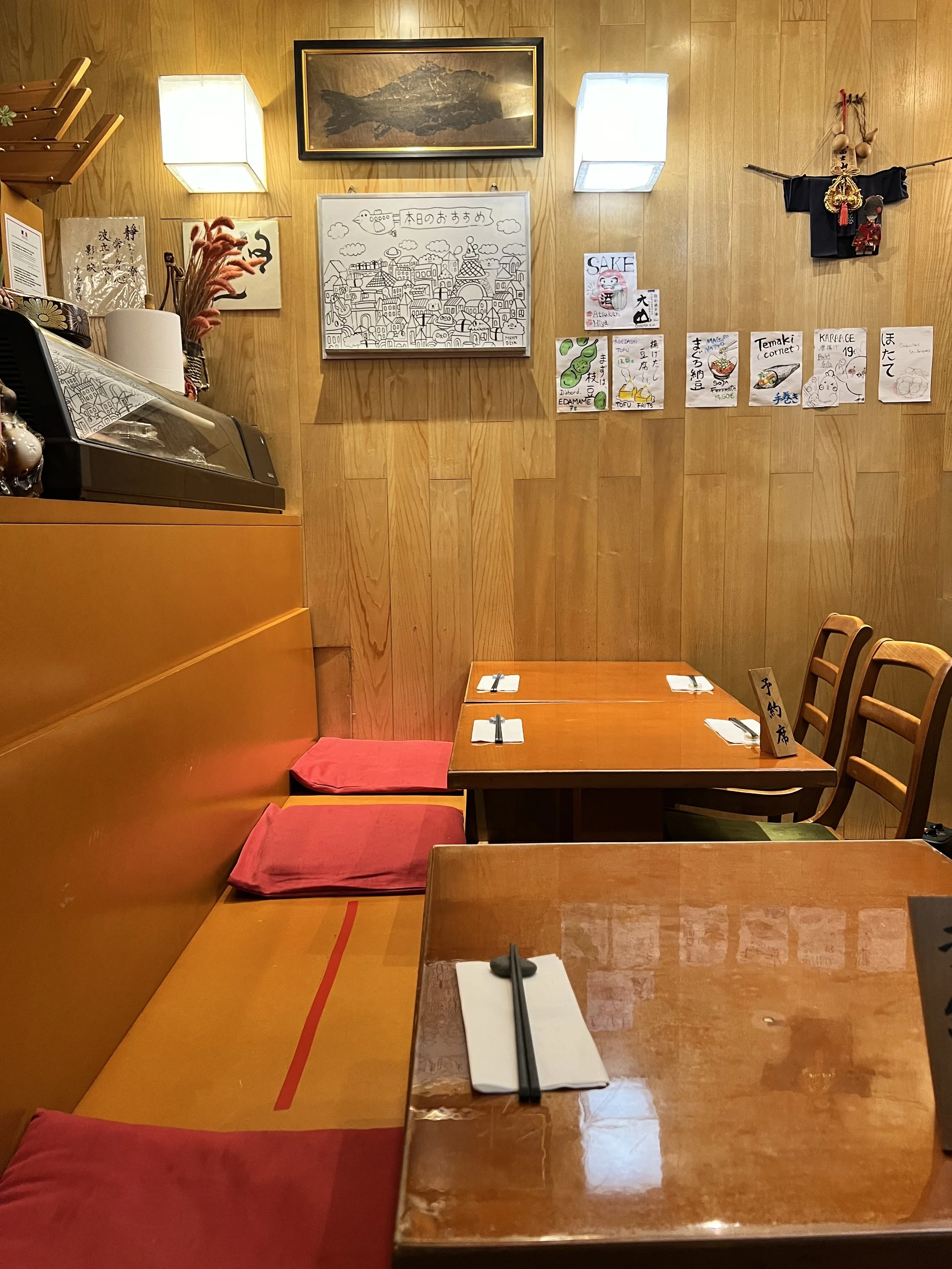
Yes, most people assume Tampopo is named after the film, but it’s actually the other way around. The restaurant opened in 1983; the movie came out in 1985. And while the film revolves around ramen, what we eat here is sushi and tempura.
This has been our family’s regular sushi spot ever since we first moved to Paris. We’ve been going for seven years now, but Chef Kawabe has been in France for over forty years, and in this very shop for more than twenty.
No show, no flash. Just traditional sushi décor, incredibly fresh ingredients, real flavor, and craftsmanship. Authentic kaiseki cuisine.
My daughter and I proudly say that the tempura we eat here still ranks in our top three — even after Japan.
Kawabe was born in Ibaraki, north of Tokyo. After working for ten years across different regions of Japan, he moved to Paris. He spent fourteen years as head chef at Chez Miki, which became one of President François Mitterrand’s favorite restaurants. After that, he went south to work at My Sushi restaurants in Monaco, Nice, and Cannes, building a strong reputation as a sushi and grilling specialist along the French Riviera.
At some point, he must have grown tired of all the glamour and spectacle in south because he has been working quietly in this peaceful little shop with his family for a long time. They own the restaurant since 2004.
We often show up without a reservation and cause the family a mild headache, but they still put up with us 😁
We love Kawabe and his family — they are one of our greatest sources of happiness in the neighborhood.
While walking through Tokyo and Kyoto, I kept thinking about a philosophy that this chef embodies perfectly: you shouldn’t accept perfection. Once something is perfect, there’s no progress — you stop. There is always room to move forward, and working toward that is the right way.
⸻
Maison – Sota Atsumi (first experience: 2017, Clown Bar)
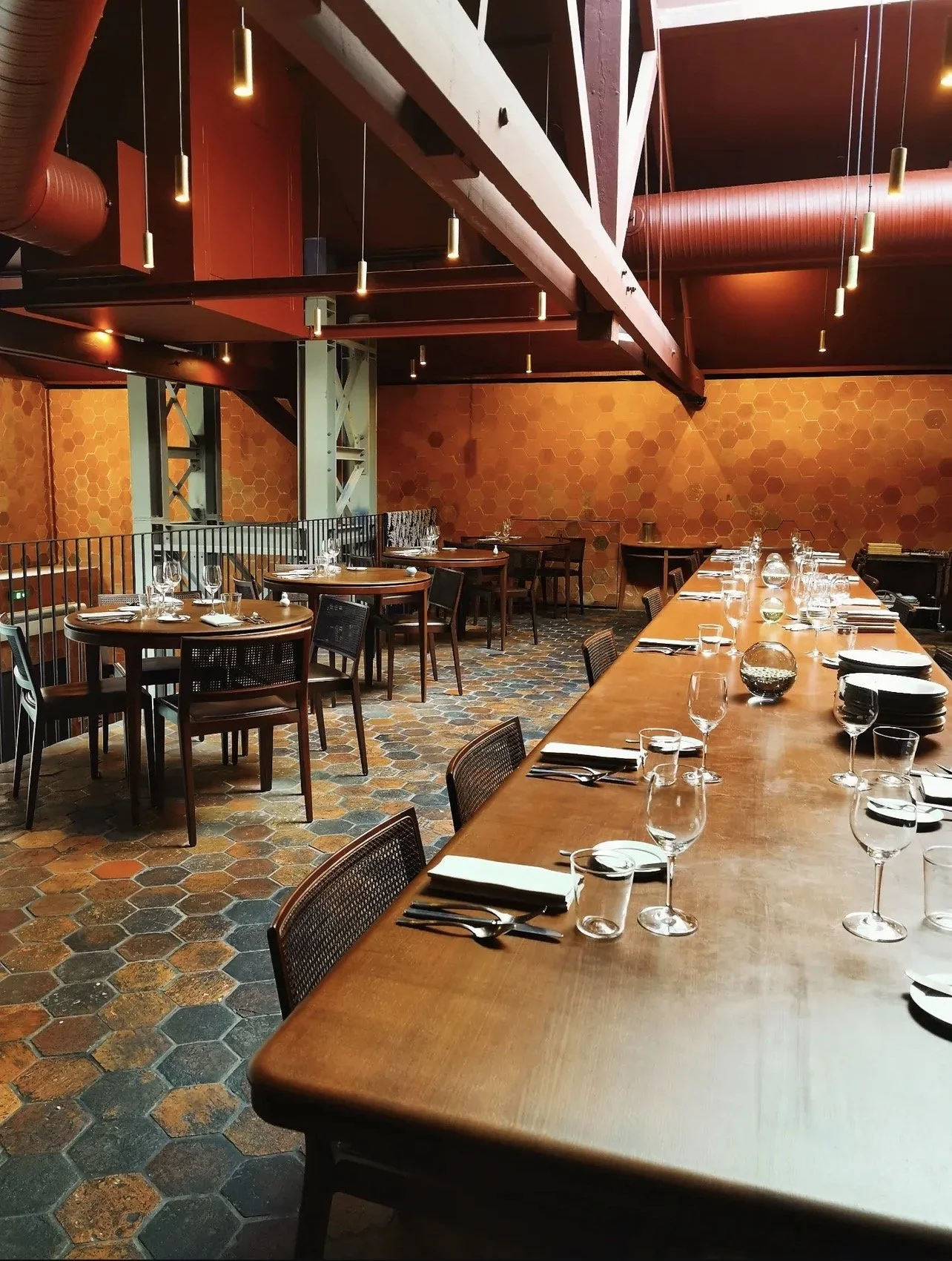
Photo is taken from their instagram account
A French restaurateur friend once told me, “His food is too perfect” 😁
My friend prefers looser, more relaxed plates — dishes that aren’t so clearly defined. But especially after my Japan trip, I realized something important: there is no such thing as perfection. There is always room to move forward. And that’s exactly what Chef Atsumi is chasing.
Atsumi is from Tokyo and has an extraordinary CV. His journey began in 2005 at culinary school in Lyon and continued until 2014 alongside major figures like Tateru Yoshino, Joël Robuchon, and Pierre Jancou. He then took over Le Clown Bar, which left a revolutionary mark on the Paris food scene. After winning Le Fooding’s Best Bistro Award in 2015, everyone started talking about him.
We experienced his food in 2017 while we were still trying to understand Paris. Back then, his dishes weren’t as niche or sharply defined as they are today — more wine-bar friendly, but bold. When he left Clown Bar and announced he was heading to New York for a while, I thought we had lost him. But I guess it’s hard for a chef to resist French ingredients — he came back.
His return was a bit unlucky, as his new restaurant Maison opened right during the pandemic, forcing him to wait, or rather endure. But the comeback was spectacular. They found a former industrial building in the 11th arrondissement, completely gutted and redesigned by architect Tsuyoshi Tane. David Lynch created the whimsical Maison logo (turning a house, a fork, and a sun into characters), and JR designed a custom sound system.
Not bad support, right? 😁
Atsumi is creating a new template for how Japanese chefs can honor French tradition and push it forward — without fusion and without ostentation.
⸻
La Table d’Aki – Akihiro Horikoshi (first visit: 2018)
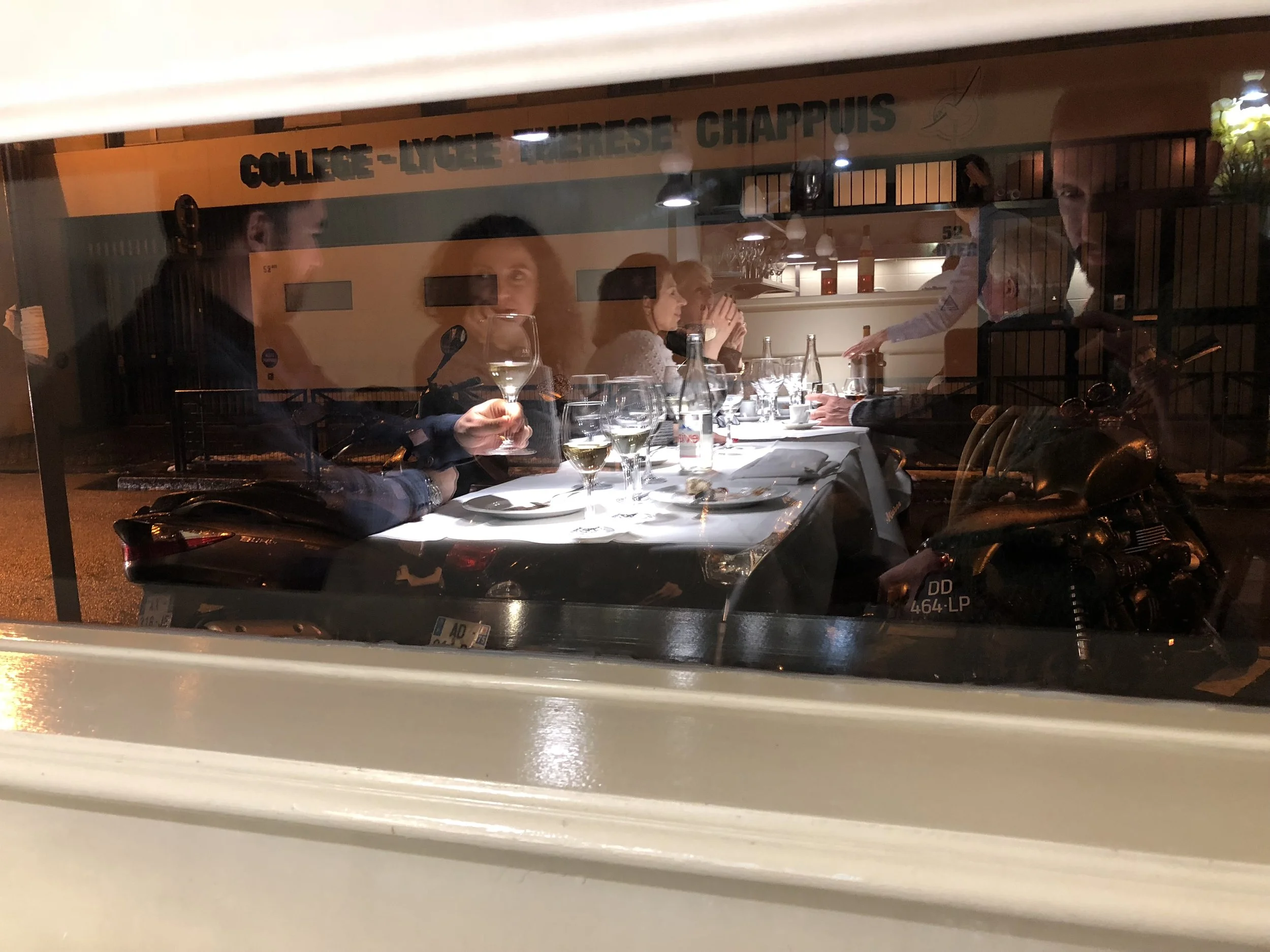
photo by Altug
Confessions incoming.
I haven’t been to La Table d’Aki in a long time. That’s not really an excuse, but making a reservation here is not easy. The restaurant has only four tables, and Chef Horikoshi is the only person in the kitchen.
He is one of the most respected chefs in Paris and has been here for over thirty years. He dislikes showmanship and staying in the spotlight. After spending twenty years as head chef at the three-Michelin-starred L’Ambroisie, he opened his own place.
Menus are built entirely around seasonal products, which means everything is incredibly fresh. When it comes to cooking fish, people call him a master.
Two phrases written about him stayed with me:
“Silent mastery through perfect execution” and
“He is the embodiment of the shokunin spirit — lifelong devotion to mastery of craft.”
My second confession: when I first went, I didn’t yet have the capacity to understand how important — and how delicious — simplicity can be. My former partner Didem has always been its strongest defender. Was I a bit thick-headed? 🤔😁
Over time, I learned. And only much later did I truly understand what the chef showed us that night. That’s why I now greet him with deep respect.
After returning from Japan, I became very used to bowing as a gesture of respect, so the fact that this fits into this piece feels perfect.
Final note: this is also one of Vedat Milor’s classics. When we went, the chef learned we were Turkish and immediately mentioned how much he enjoys Vedat Bey’s visits.
⸻
Double – Tsuyoshi Yamakawa (first experience: 2019, La Crèmerie)
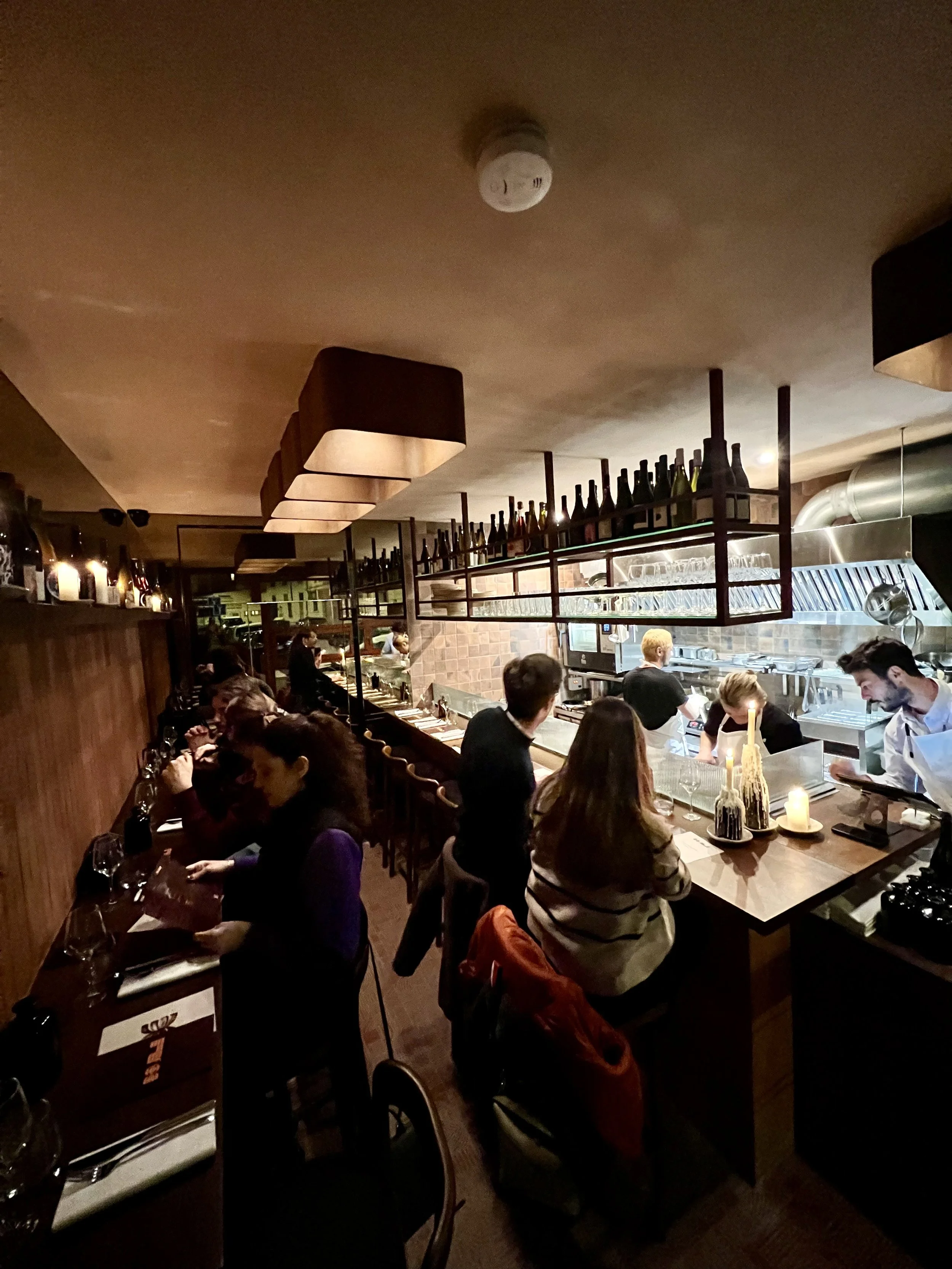
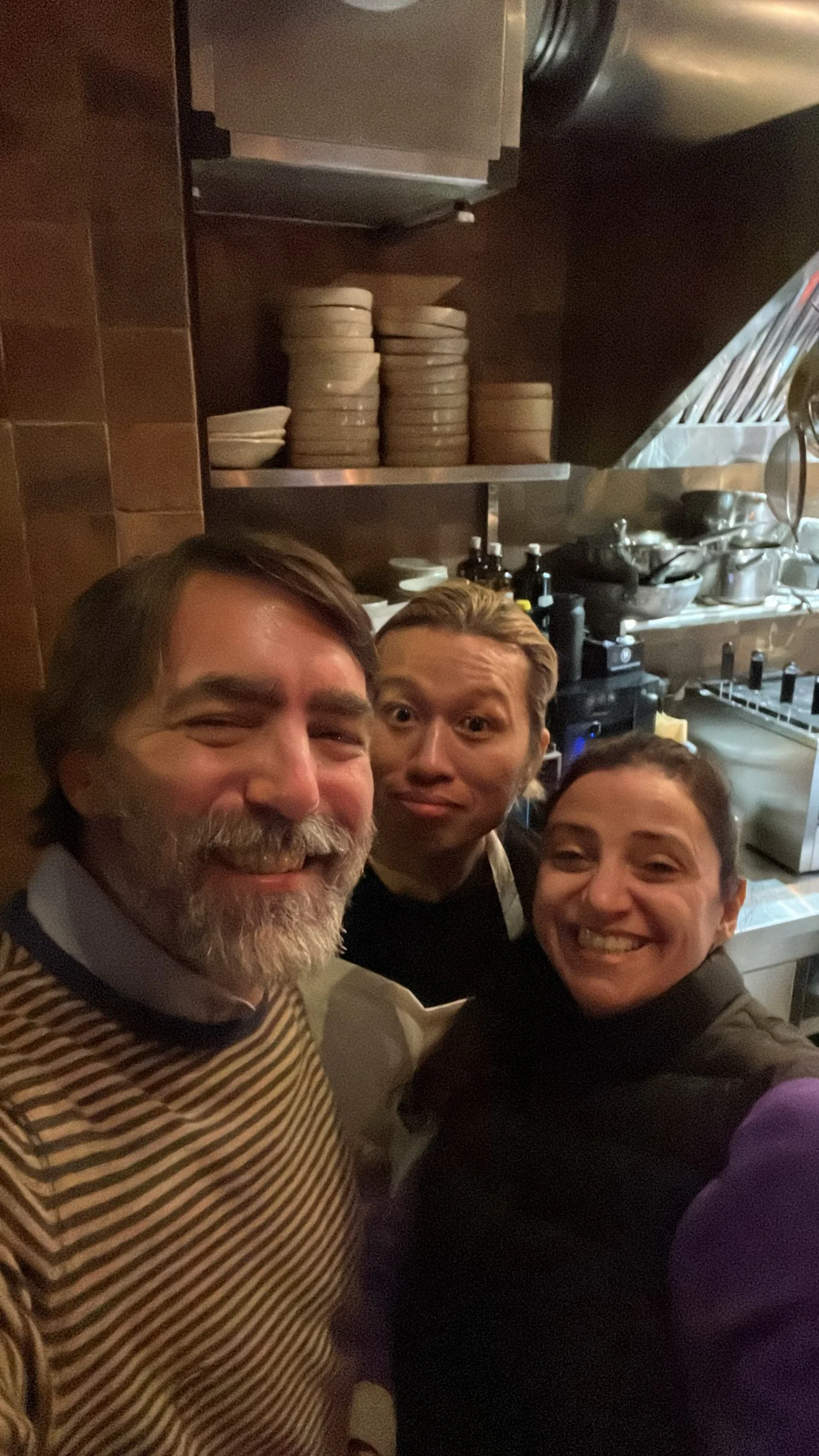
Chef Yamakawa played a leading role in our first Paris experiences with natural wine and shared plates. I’d even say he’s part of the origin story of my Paris.
What sets him apart from the other Japanese chefs is his background: after Japan, he didn’t come straight to France — he spent seven years in Italy. Which explains his deep love for pasta.
While eating soba and ramen in Tokyo and Kyoto, I kept thinking of him. I finally understood his obsession with pasta better.
A small aside: if you’ve never watched soba being cut by hand, it’s absolutely mesmerizing. After ten minutes of watching, my daughter said, “I want to do this for a living” 😅
You can taste Yamakawa’s personal take on pasta at Double. But reservations are essential. It’s a micro-restaurant for twelve people, with two seatings — very Japanese, but much more modern.
Say hello from me. And yes, by pure coincidence we were in Tokyo at the same time, but we didn’t meet — we didn’t want to make the Paris food scene jealous 😜
⸻
Ex – Les Enfants du Marché / Shunta Suzuki (2020)
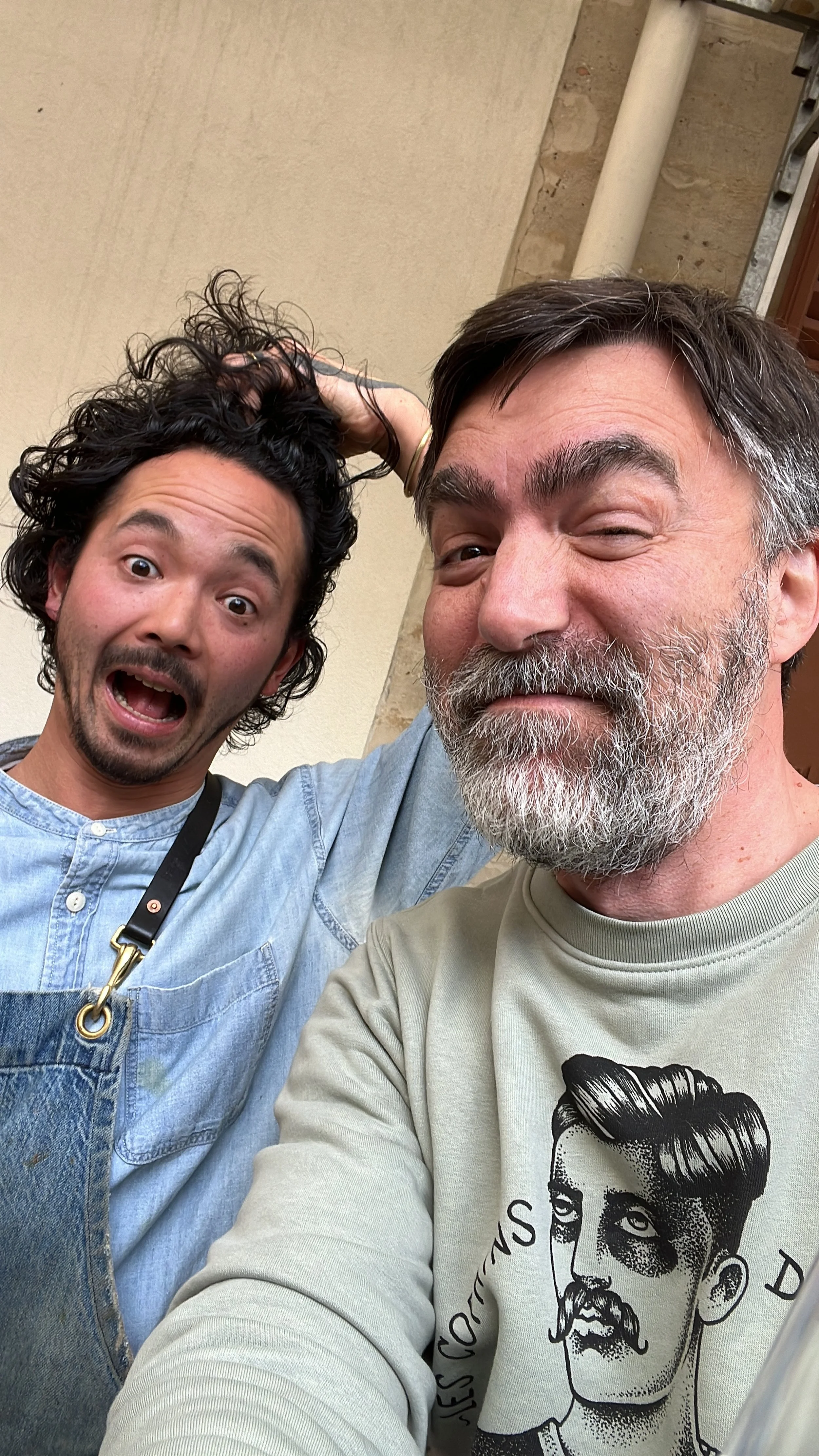
I still can’t believe I’m writing “Ex,” but every beautiful thing comes to an end. I’m impatiently waiting to see what Shunta does next — and I’ll share it when I hear.
I first tasted his food in 2020. When he took over the kitchen, the first thing people told me was that the plates had become more feminine and delicate. Even without being told, I would have understood it from the very first dish. Suddenly, the food leveled up.
As I spent more time with Shunta, I began to understand his cooking better. His calmness, his love for his work, the way his mind is constantly on ingredients and food — it all deeply impressed me. There aren’t many people around me who love their work this much, especially under such demanding conditions.
Flavor always comes first, but aesthetics are never sacrificed. Always with his black notebook and tiny pencil in hand.
I will never forget the gorgonzola mussels (iconic), the foie gras with smoked eel, and the pig’s feet dishes.
The two-night pop-up we organized with Mika, Shunta, and Mustafa was one of the best weeks of my life. And Shunta getting stuck in Antalya after the event was definitely not entirely my fault — I want that on record 😂😂😂
⸻
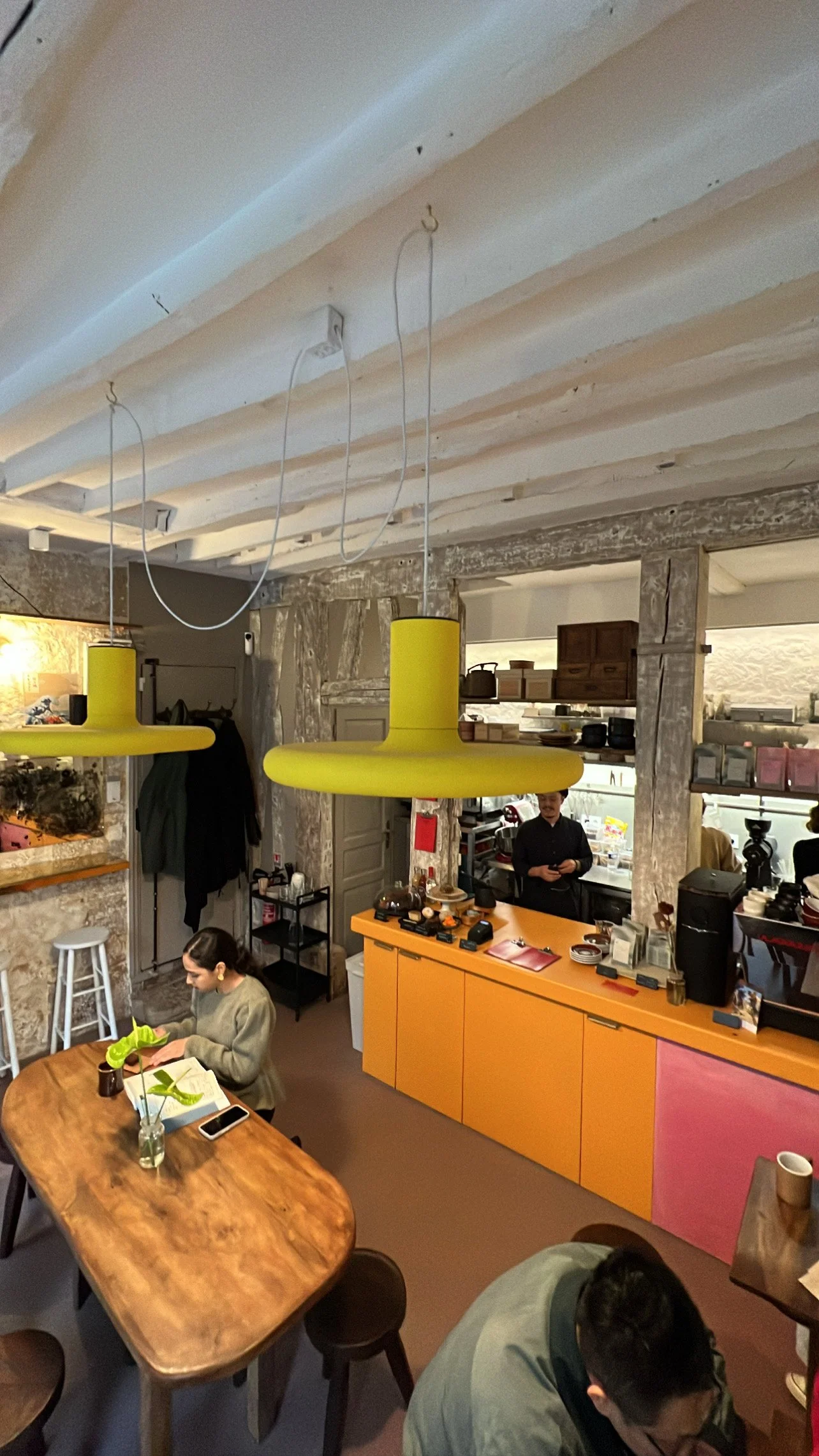
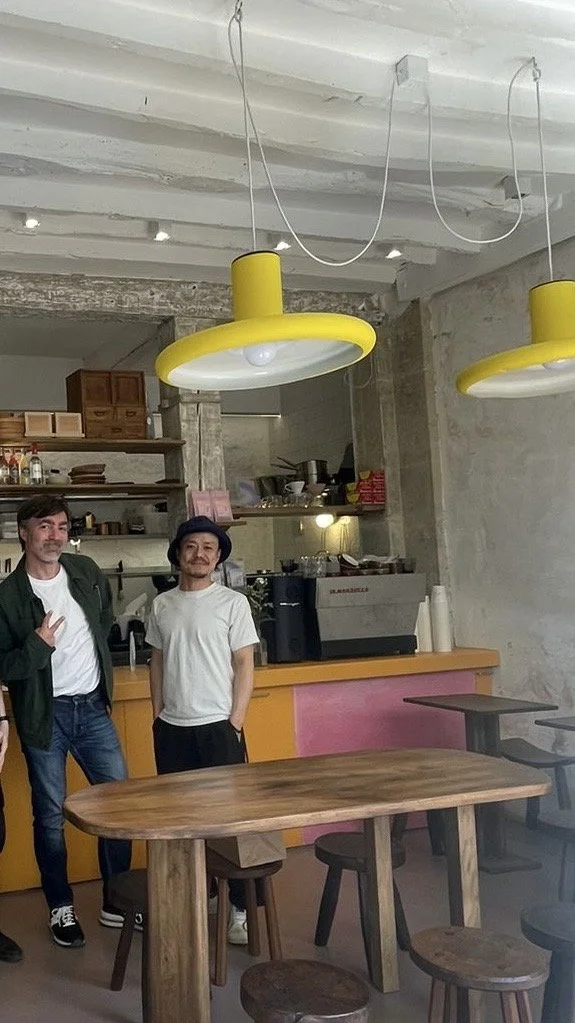
I said it at the beginning: don’t exhaust yourself trying to do everything just because you’re in Tokyo or Kyoto. I let things flow a bit with my wife and daughter, and somehow we never crossed paths with a true pastry master in those massive cities 🤔
So I said to myself: Okan, go back to what you know. Go back home. And place yourself in Akira’s hands.
Akira is the former pastry chef of the Michelin-starred Les Climats. In my eyes, he fills one of the biggest gaps in the Marais. He’s the person who finally said “enough” to cafés serving good coffee without desserts worthy of it 😁
I don’t praise sweets easily, but for Akira, “game changer” comes out of my mouth very naturally. I could eat his cheesecake every single day. And the small board of seasonal, inspiration-driven desserts? A completely different universe.
The elegance, delicacy, and subtlety I saw in Kyoto — turned into dessert. That’s Akira’s plates.
Do yourself a favor and go.