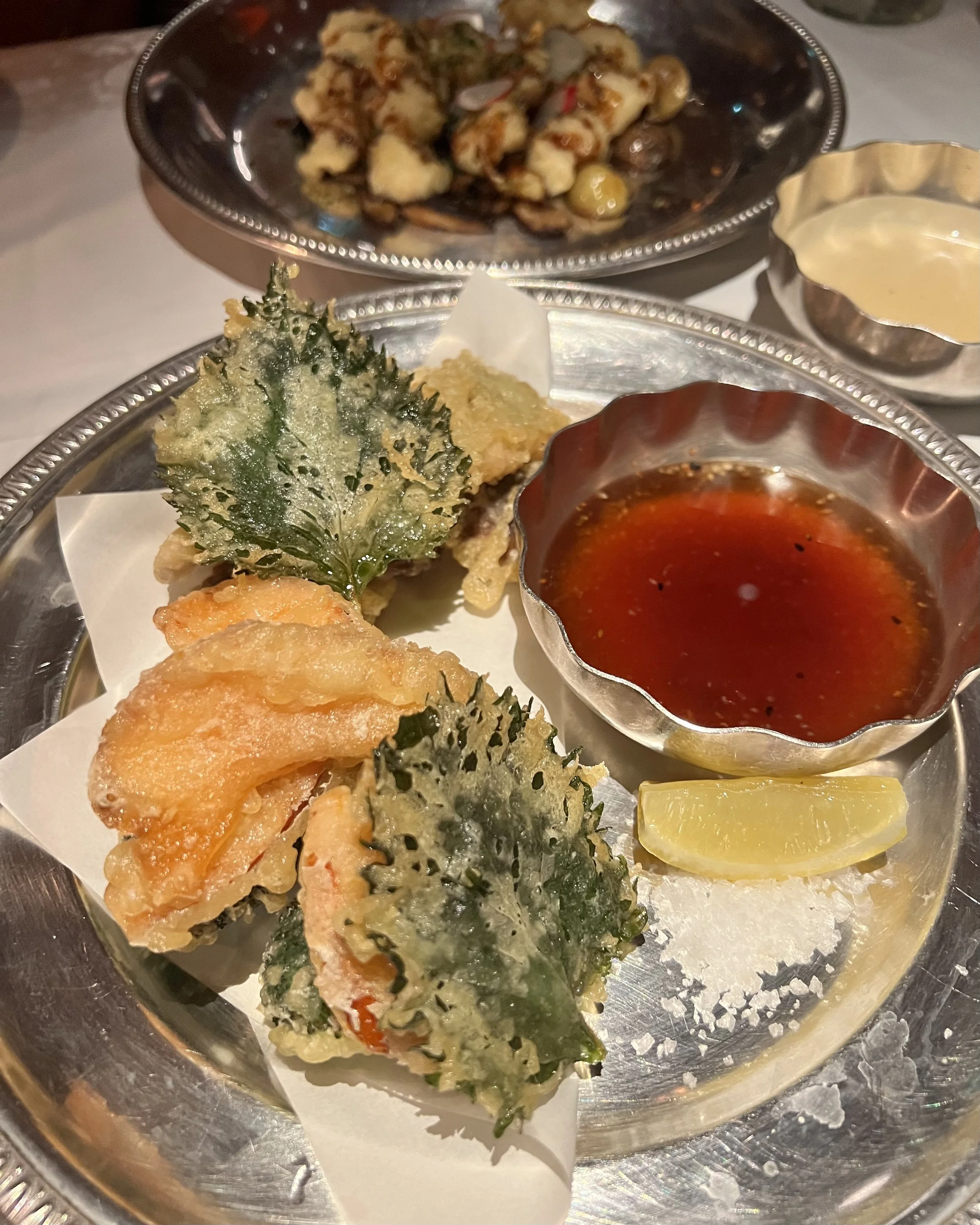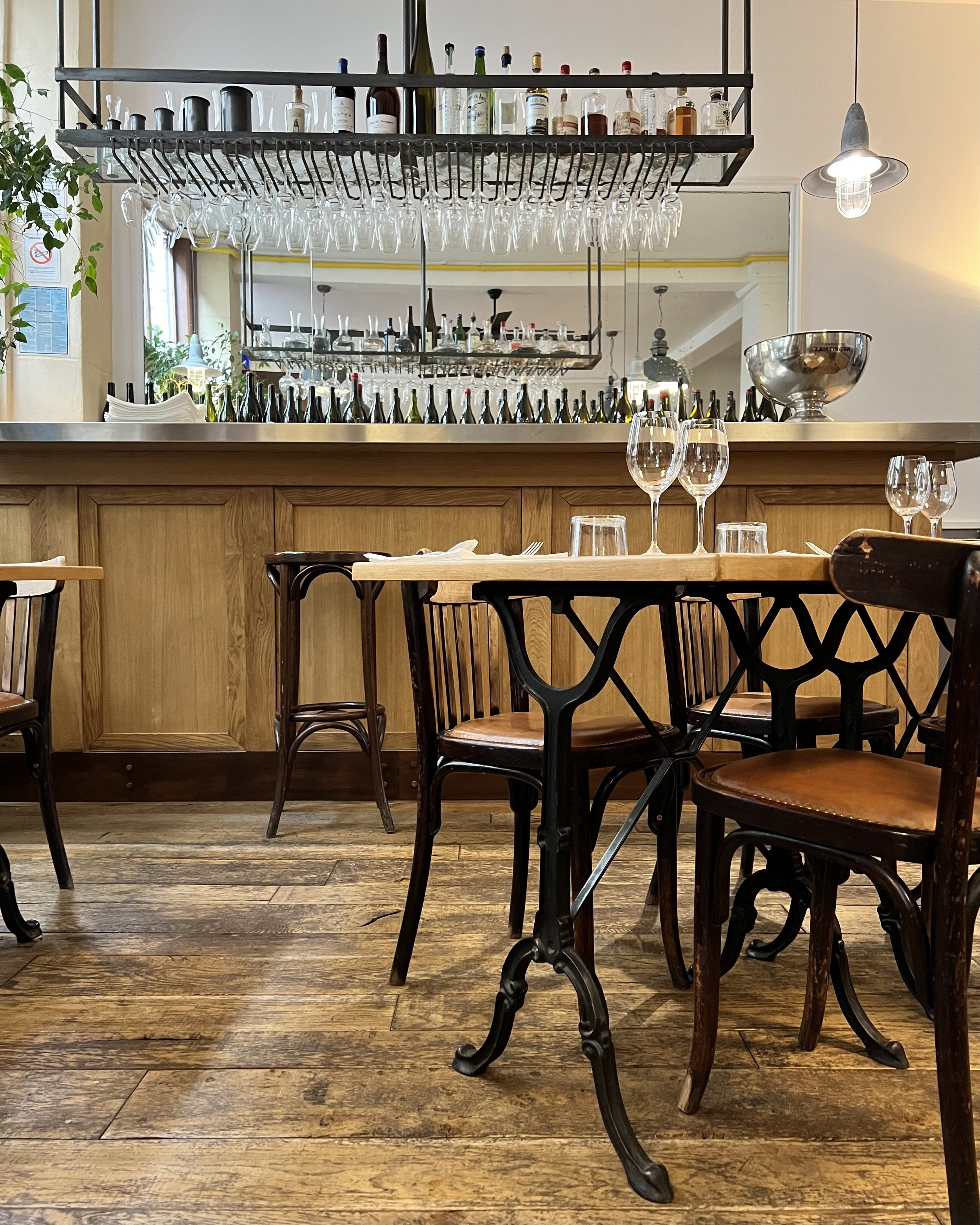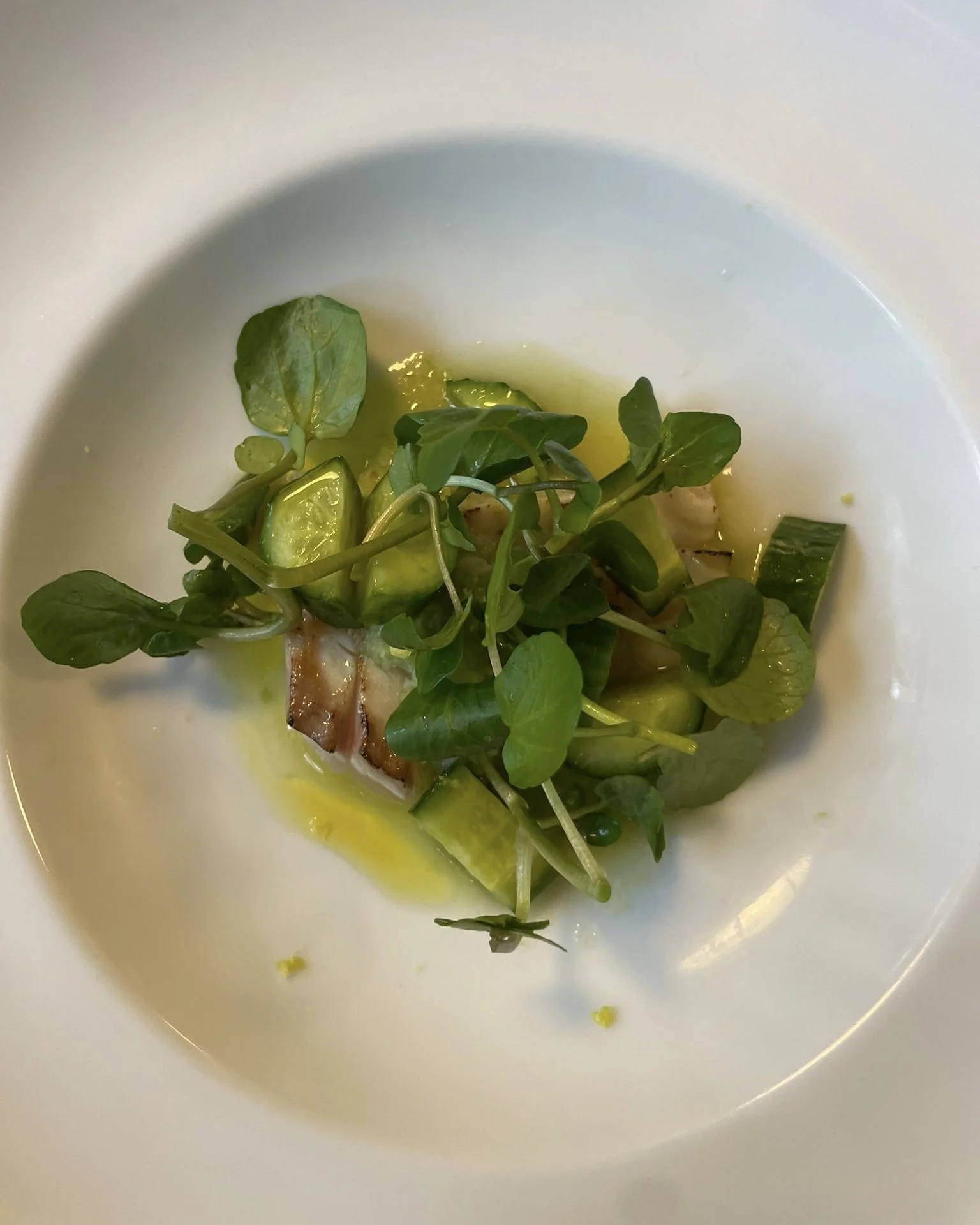
I’d like to start this article with a moment of pride. In fact, it has everything to do with the person at the heart of this story.
A proud moment:
— Dad, do you eat to live, or do you live to eat?
— To eat well, honey. What about you?
— Me too. (😍🤗💪🏼🎊🎉🎊)
A little later:
— Dad, I love cultural diversity.
— Why did you say that, sweetheart?
— Because if it didn’t exist, we wouldn’t be able to eat all these amazing foods in Paris.
(🥲 No, no, something just got in my eye. I’m not crying! 😁)
When we first moved to Paris, I chased French cuisine with real determination. I wanted to understand its traditions, learn its classic dishes, and figure out what makes a great bistro. Along the way, I dragged my wife—and occasionally my daughter—into this obsession.
Even today, because we speak Turkish at the table, waiters are often surprised when my daughter orders a steak tartare.
“You know it’s raw meat, right?” they sometimes ask.
That’s usually when my daughter replies:
“Yes, but is it served as aged beef, hand-cut with a knife, seasoned simply with salt and pepper?”
At that point, despite speaking a different language at the table, we’ve usually made it clear that we’re quite familiar with French cuisine.
Once we had worked our way through the great classics, we threw ourselves into the world of bistronomy through chefs like Yves Camdeborde, Bruno Doucet, Stéphane Jégo, Iñaki Aizpitarte, and David Rathgeber.
And then came the Japanese chefs who began leaving their mark on French cuisine—and we completely lost ourselves in that world.
(I’ve already written about who these chefs are on my blog. Don’t be lazy—go read it!!! 😁)
Now we’re witnessing another exciting chapter in the Paris food scene: talented young chefs in wine bars creating what feels like an ongoing festival of flavors.
Most of them work with small plates designed for sharing, somewhere between the meze culture I grew up with and Spanish tapas. They stay faithful to seasonal ingredients and constantly create new dishes. To keep reinventing yourself while maintaining a high level of quality seems incredibly difficult to me—but some chefs manage it.
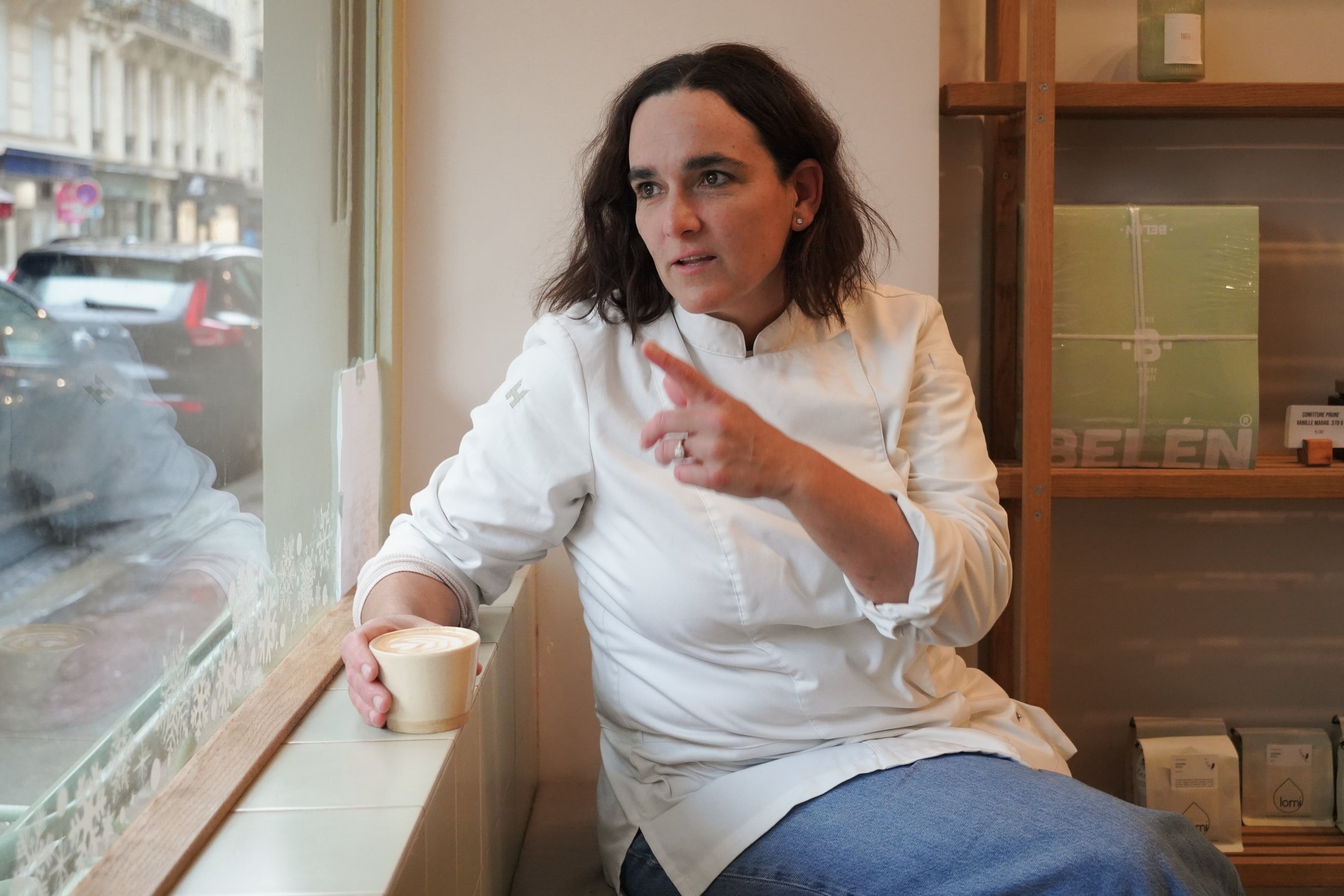
One of them is the wonderful Priscilla Trâm.
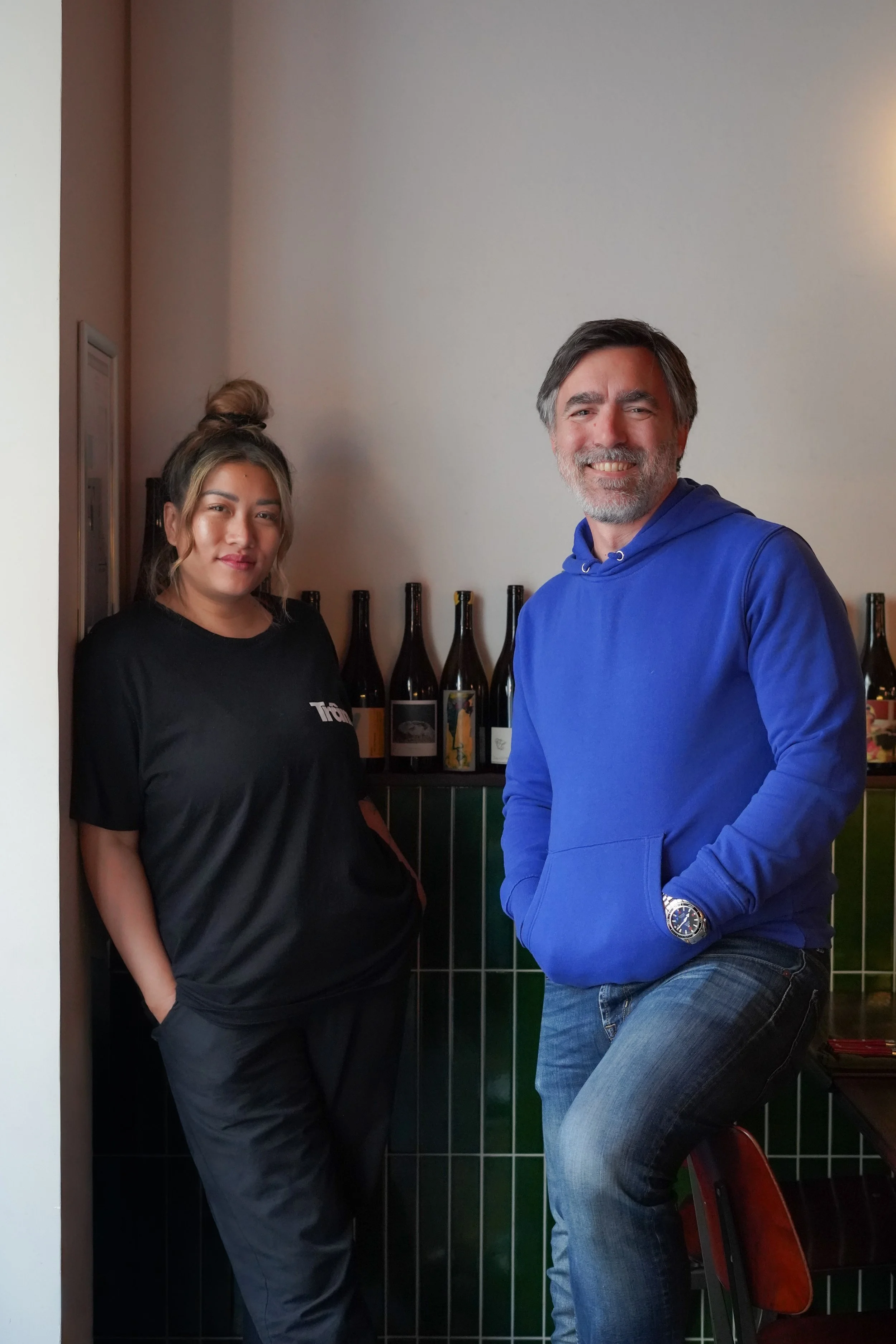
Photo: Amber
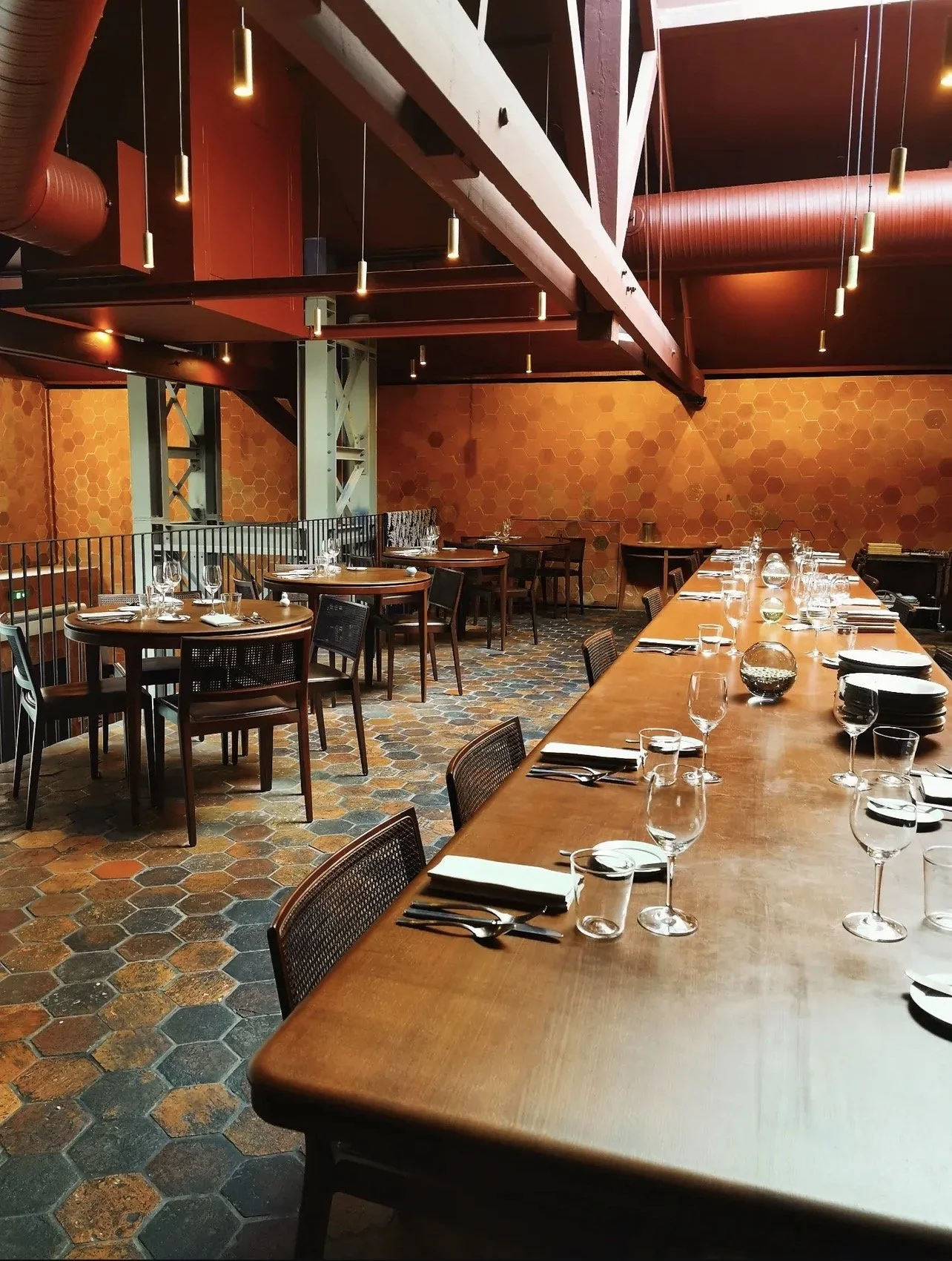
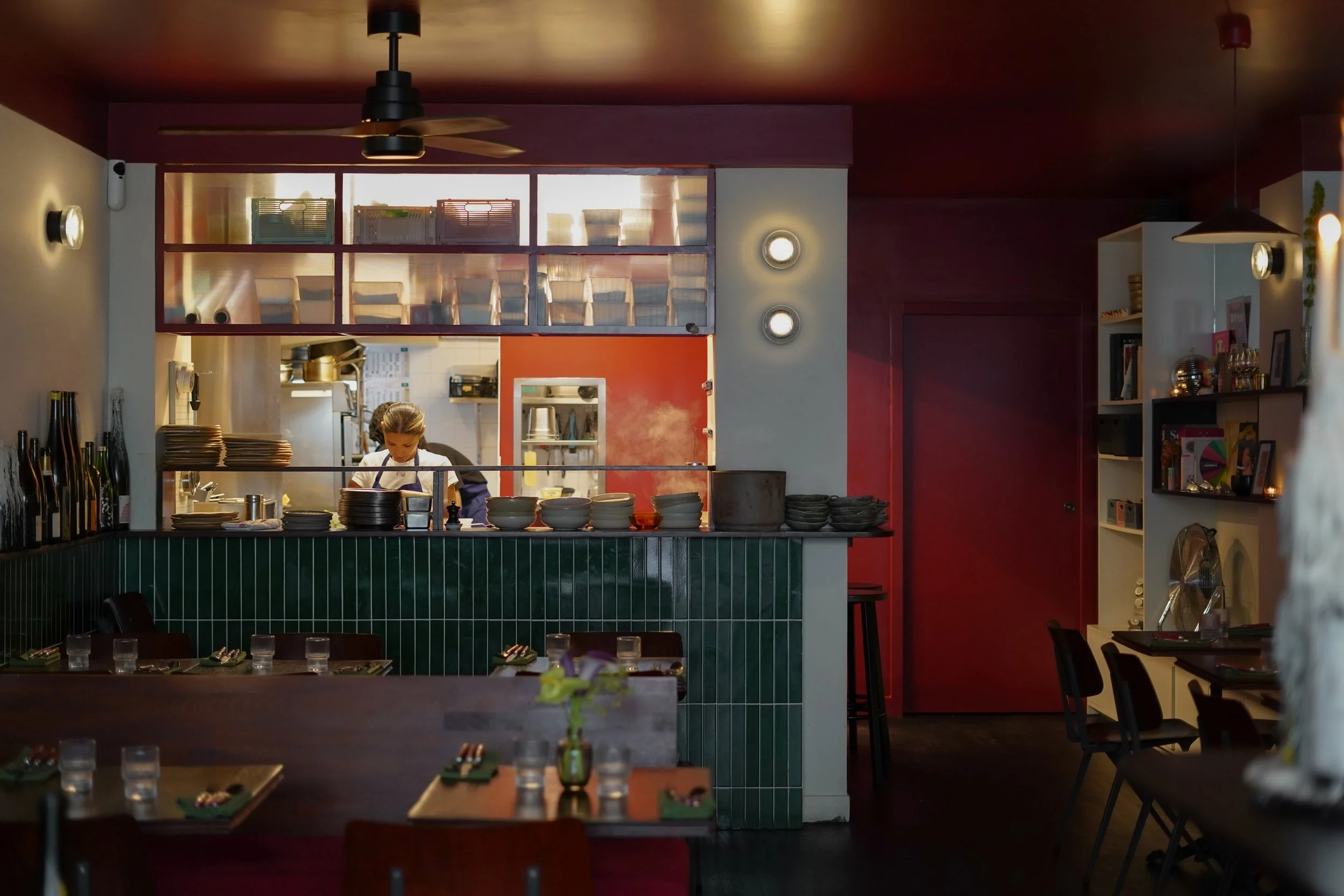
She entered our lives when she opened her restaurant in May 2024. By the beginning of 2025, Trâm 130 had already made its way onto my annual list of restaurants I absolutely had to visit.
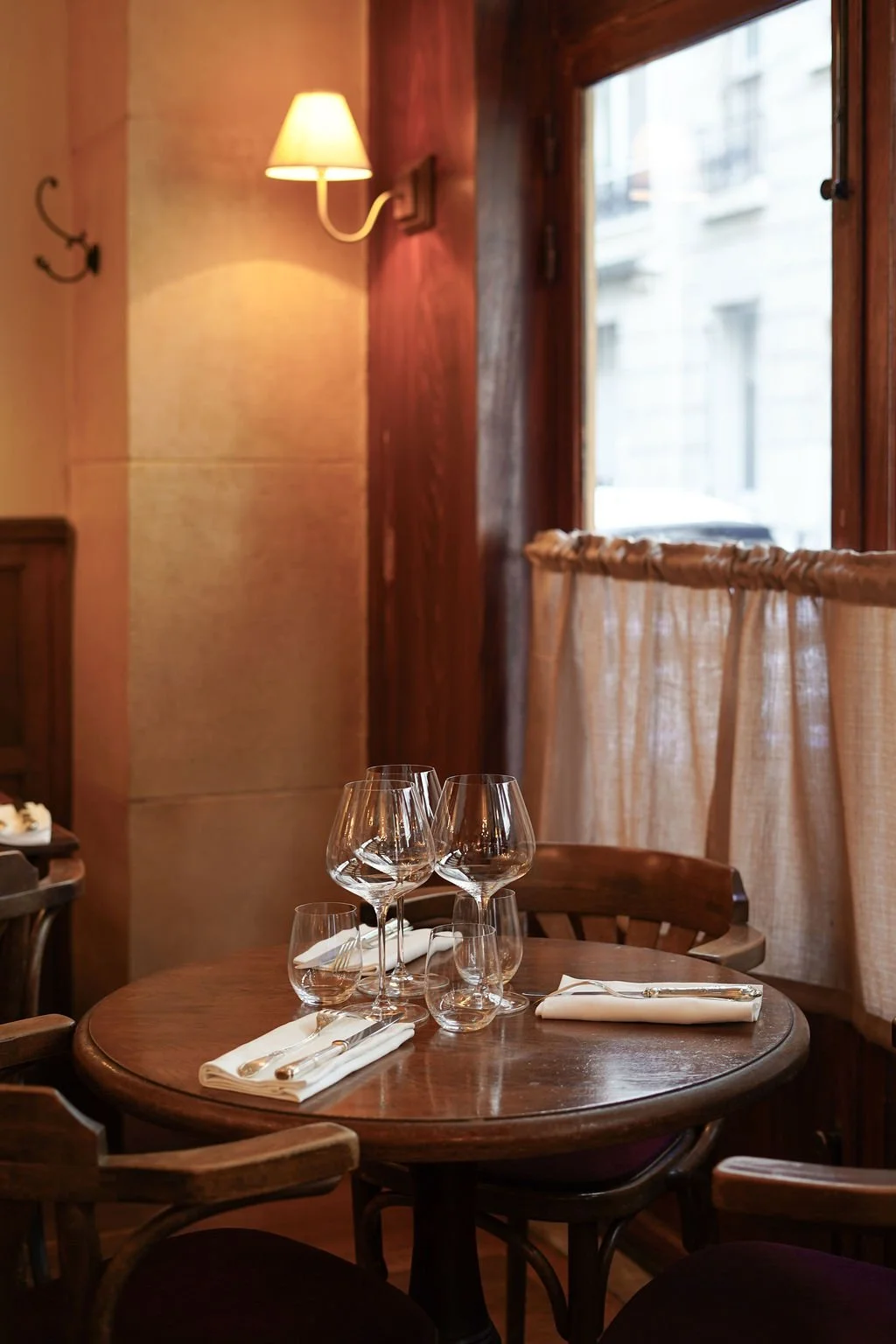
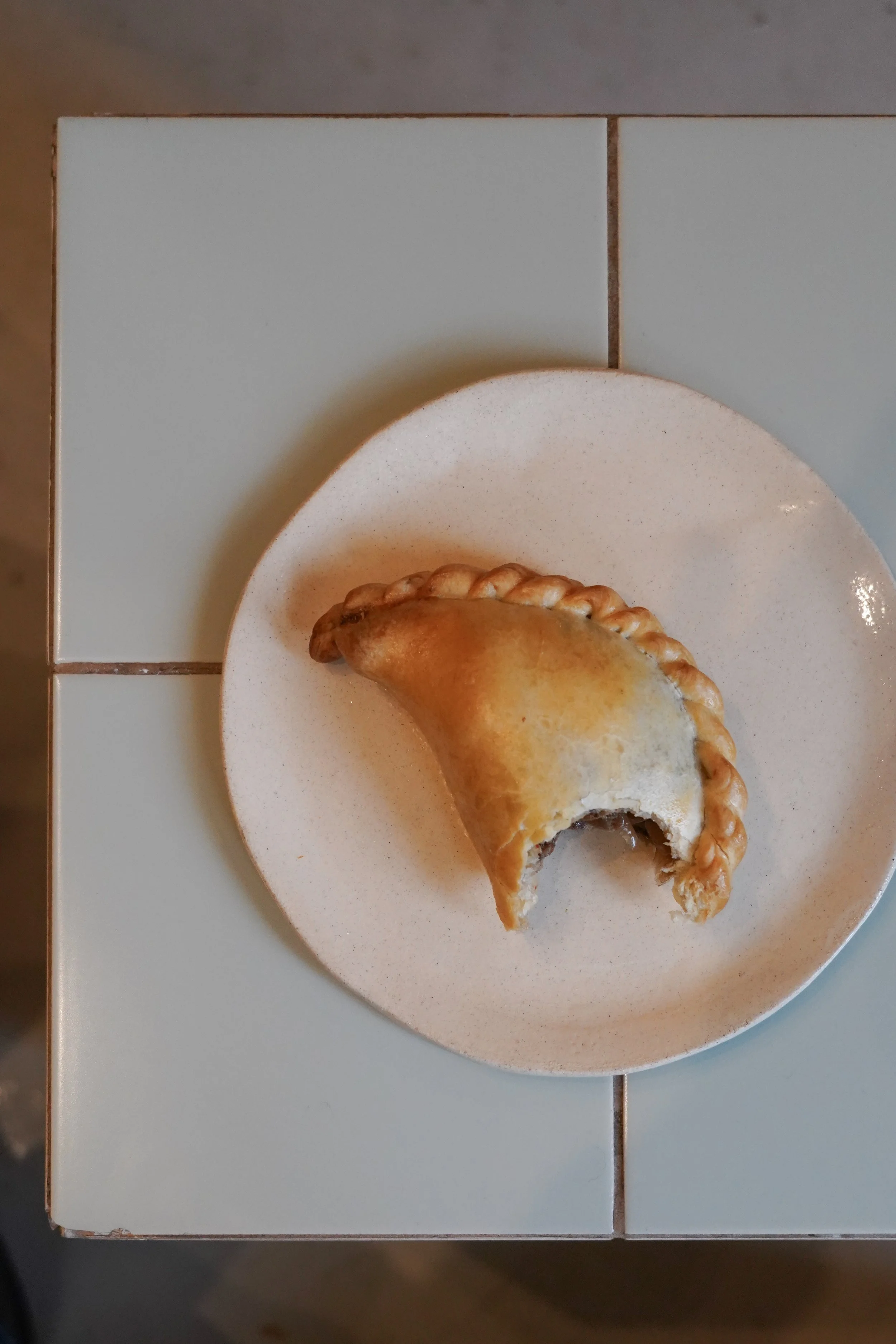
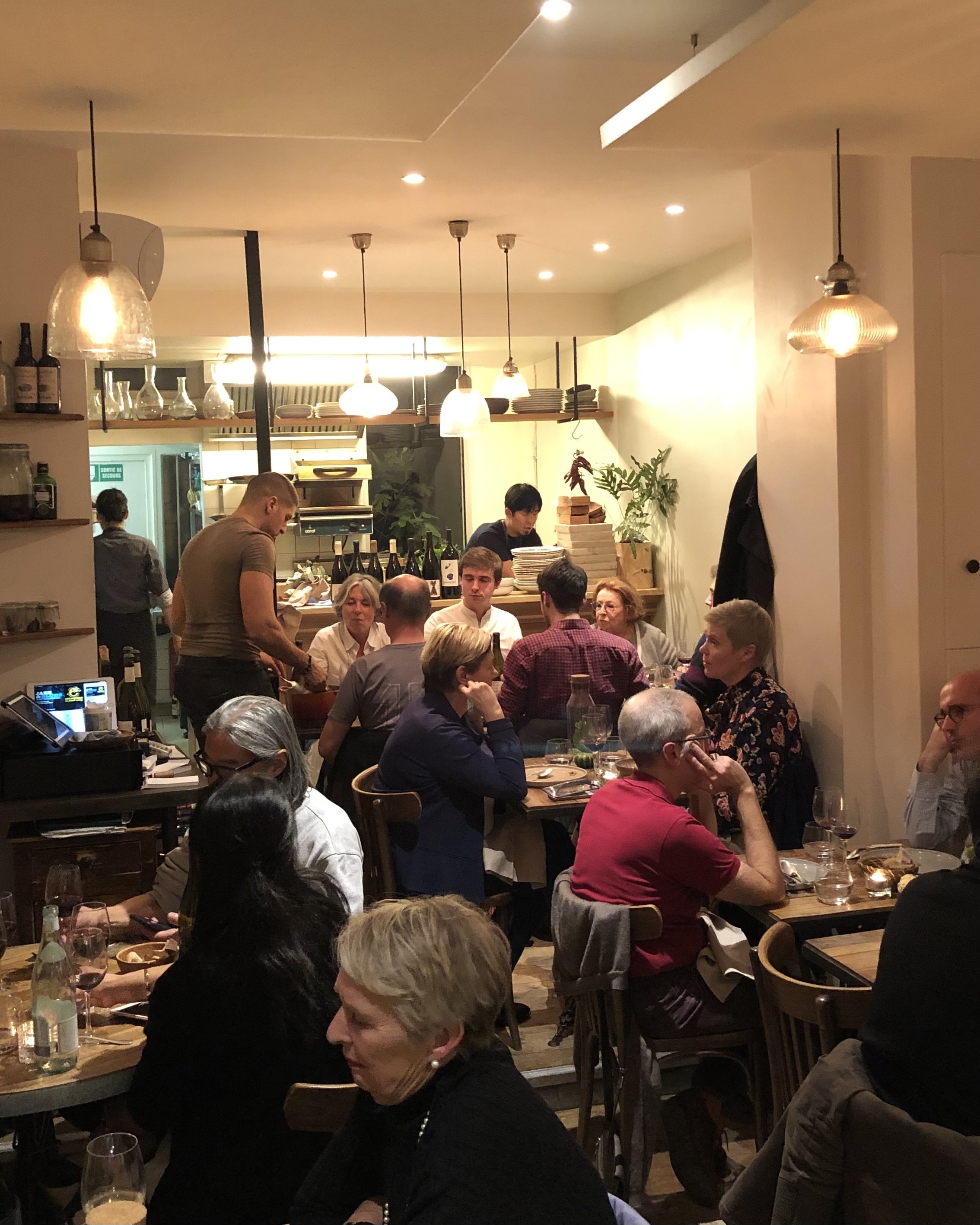
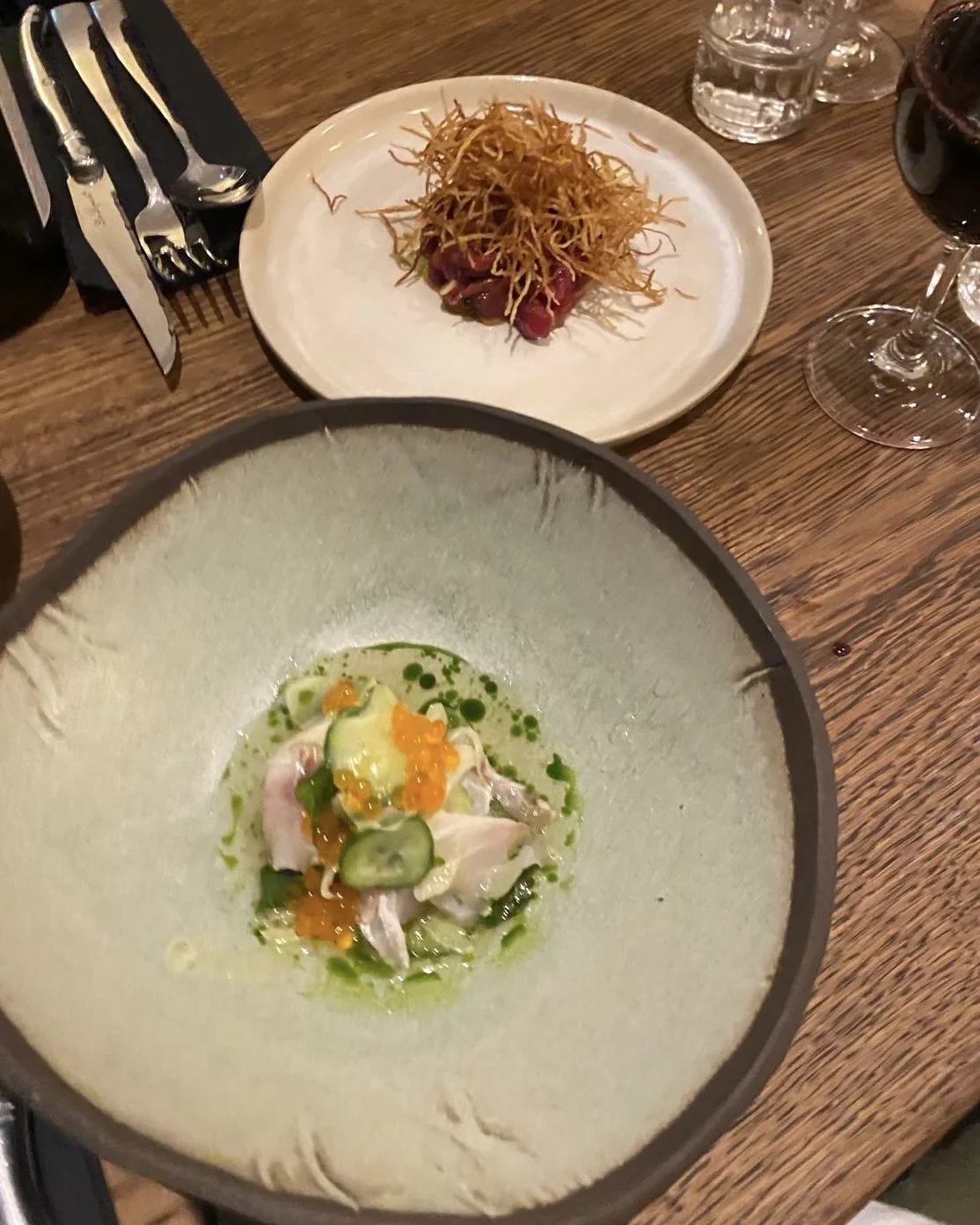
Our first experience came on a beautiful summer evening when we decided to walk in without a reservation. Lucas Nivaggioni found us a table and guided us through the wine list. A bottle from Clos du Tue-Boeuf paired beautifully with the sea Bream & shrimp crudo—pickled rhubarb, trout roe, chili oil, and rice crisps.
Lucas shares service duties with Arthur Malet, who has also guided our wine choices on our more recent visits. That first night, a light skin-contact, high-acid white from Beck-Hartweg worked wonderfully with the razor clams, served with beer, garlic and lemongrass-infused butter, Thai basil, and lime.
On our most recent visit, I paired the beetroot dish with Le Blanc des Garennes from Rodolphe Gianesini & Laetitia Ourliac. Beetroot, for me, is a bit like the wines of Languedoc—a naturally funky ingredient. The aromatic character of the wine and the complexity of the dish came together beautifully.
So yes, you’re very lucky when it comes to wine at Trâm 130. Not one guide, but two.
I asked Priscilla how she met them. And, because I couldn’t resist, I also asked whether having two talented wine professionals on the team wasn’t just a little unfair when most people struggle to find even one great sommelier. 😁
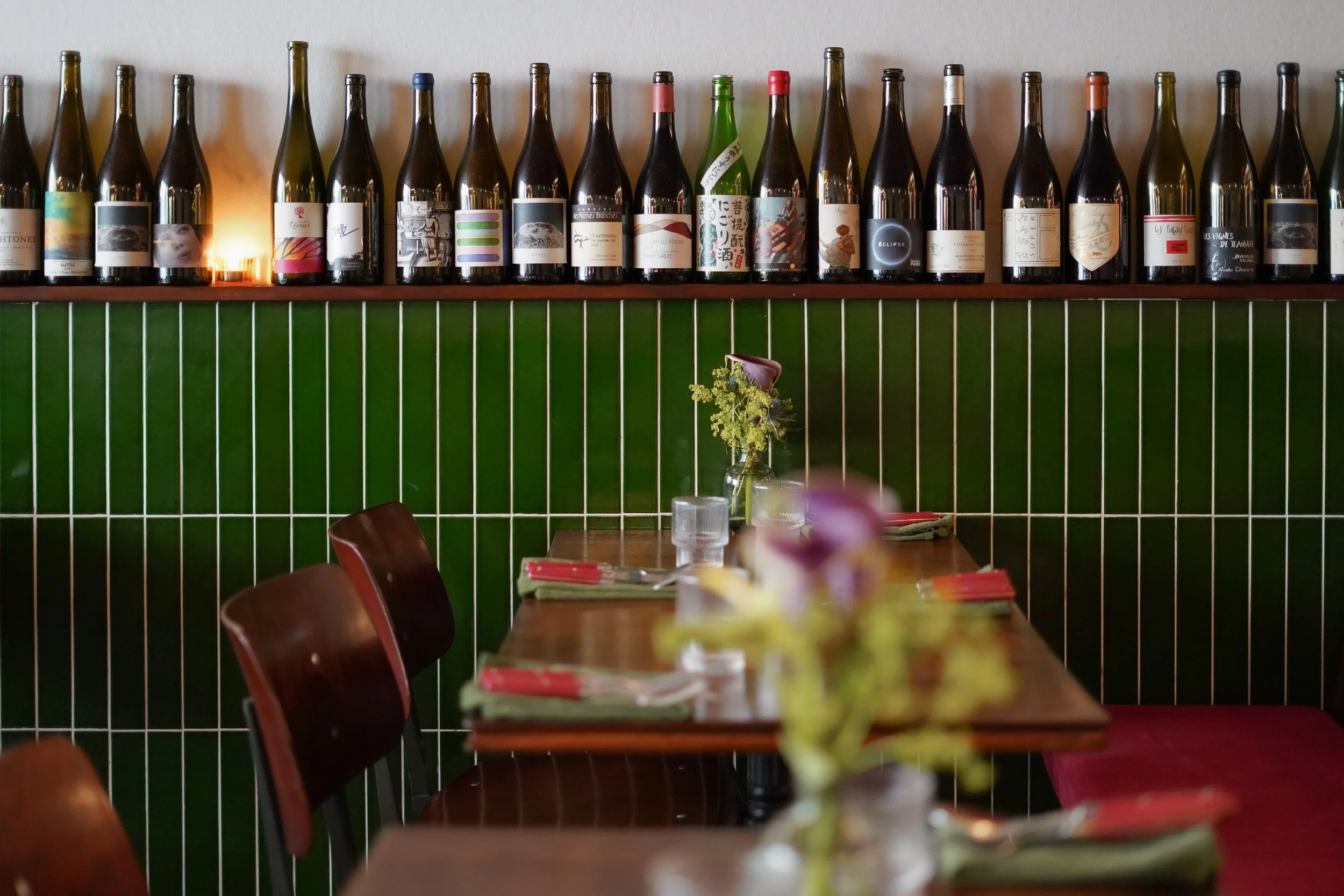
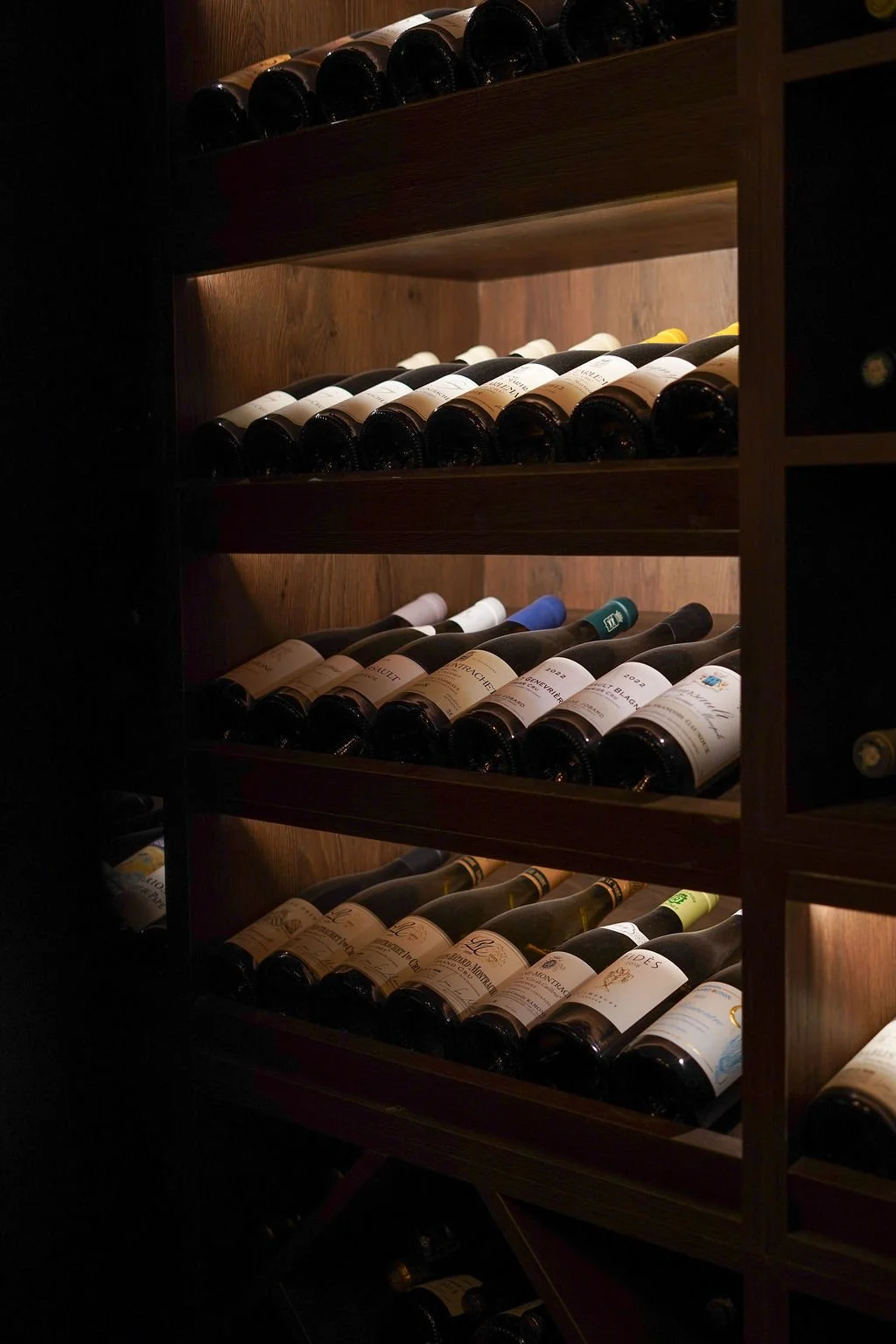
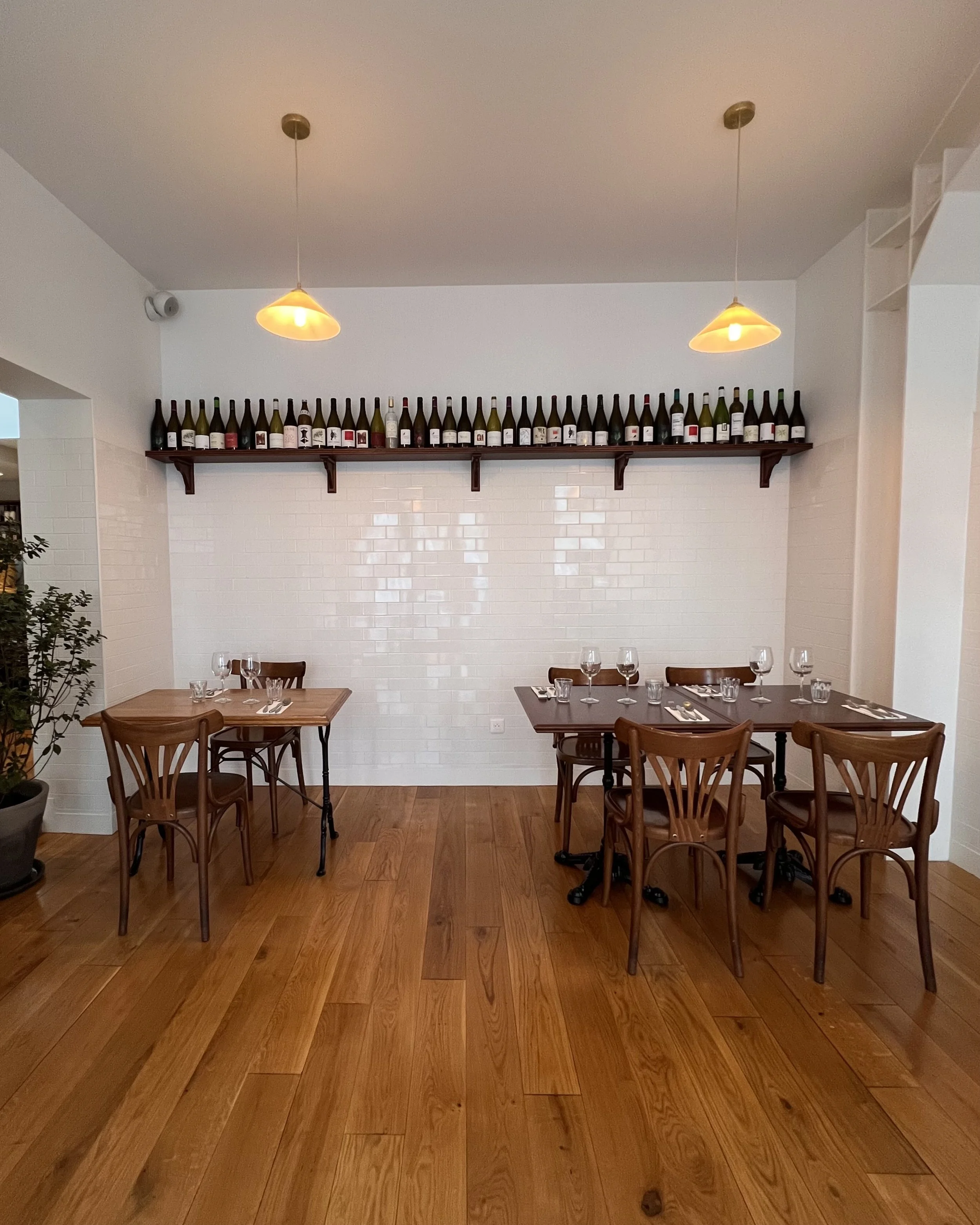
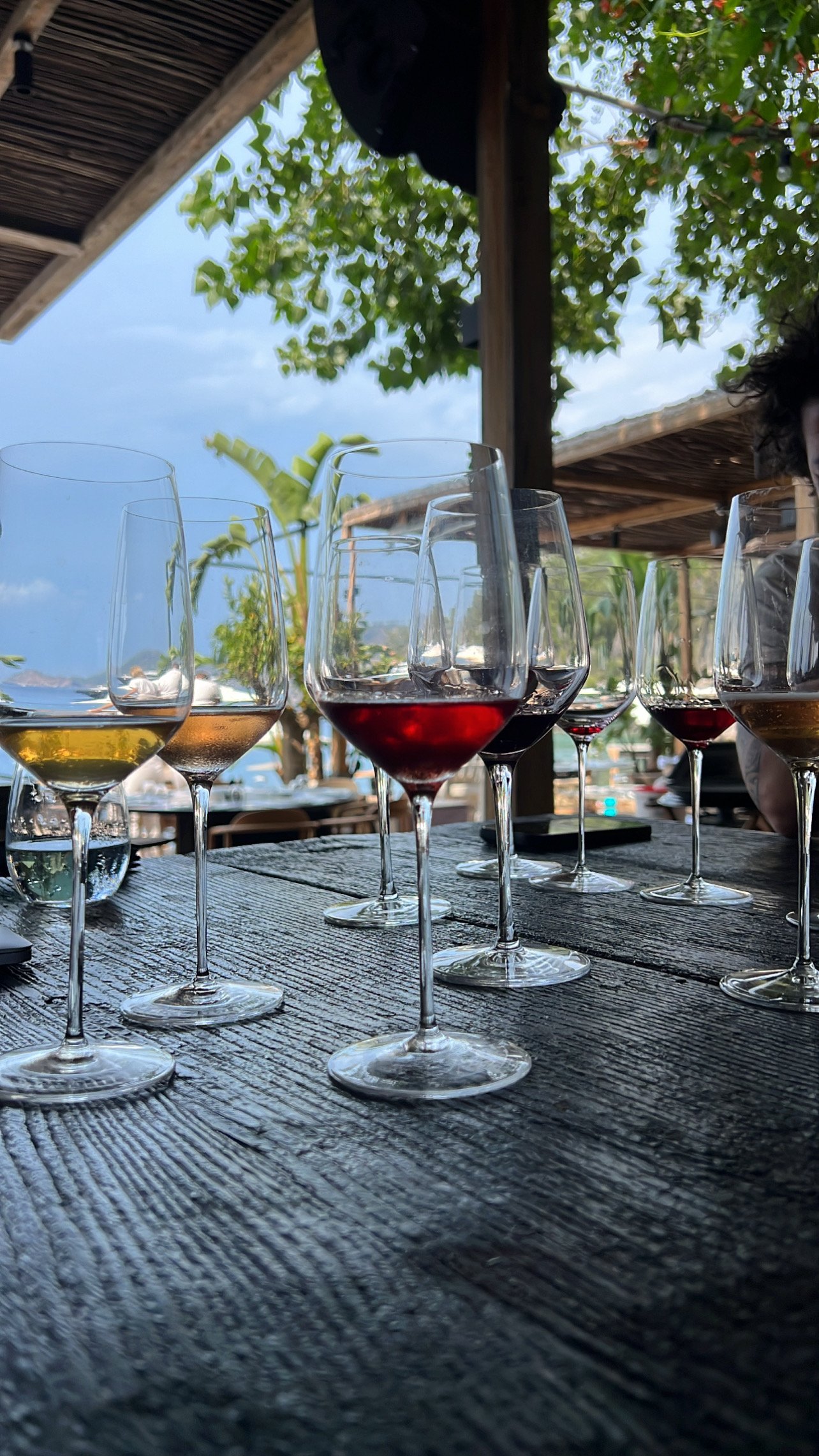
Lucas and Arthur’s wine selection (photo: Amber)
I met Lucas through social media. At the time, I was looking for someone to help out occasionally. Very quickly, we developed a real connection, both personally and professionally. He immediately understood the spirit of the restaurant. Arthur already knew Lucas, and joining the team happened quite naturally. They each have their own personality and their own approach to wine and service, and that’s precisely why they work so well together. Over time, Lucas also took on more operational responsibilities and eventually became my Director of Operations, overseeing the administrative side and the day-to-day running of the restaurant.
And yes, objectively speaking, having two people like that is a little unfair 😁. But then again, I’m worth it, aren’t I?
One thing I particularly appreciate about Priscilla is that once the rush in the dining room eases, she takes the time to speak directly with her guests. That kind of genuine interaction is invaluable. She gets to witness people’s enjoyment firsthand, and I suspect that’s one of the main reasons she loves what she does so much. I benefited from that openness myself. After a conversation at the restaurant, I managed to convince her to do this interview. And I have to admit, I had a great time reading her answers. As you go through them, I think you’ll understand why her food is so good. The same curiosity, generosity, thoughtfulness, and energy that come through on the plate are all there in her words as well.
Was food one of the occasions that brought your family together when you were growing up? Who did the cooking at home? What’s your earliest food memory?
Yes, meals were very important. Growing up in a family of Vietnamese origin, there was always rice on the table, along with a broth, vegetables, meat or fish. My mother was the one who cooked, as is often the case in many Asian families. She managed three dry-cleaning shops, picked us up from school, helped us with our homework, and cooked at the same time. She had very little time, yet she always made sure we were well fed.
Food was important when I was a child, and restaurants were already part of my life long before I ever imagined opening one myself.
When my father emigrated from Vietnam, he started working in Parisian restaurants at a very young age. He worked his way through every position in brasseries such as the Drugstore before eventually becoming a maître d’hôtel.
He often took me out for late dinners, even when I was very young. I would spend hours sitting on restaurant banquettes, watching the service unfold, observing plates leaving the kitchen, listening to the sound of glasses, and soaking up the atmosphere at the end of the evening.
Those banquettes are my childhood.
That’s where I fell in love with restaurants, even before I fell in love with cooking itself.
And some of those places still exist today, such as Le Pied de Cochon or Malibu on Rue Tiquetonne.
I read that you started your career as a lawyer. What was your area of expertise? And what made you fall out of love with it? A brutal divorce, a messy bankruptcy, a murder case? 😬
Thankfully, not a murder case. 😂
I was a lawyer specializing in anti-corruption and international investigations, and I was admitted to the New York Bar. I practiced for fifteen years, particularly in Hong Kong.
About six years ago, I started cooking seriously—almost in secret at first. During the day, I was working as a lawyer at a law firm; in the evenings, I was cooking for private dinners, pop-ups, and collaborations. I was genuinely living a double life.
In Hong Kong, I discovered a remarkably free and creative food scene: intimate restaurants, sometimes hidden inside apartments, independent venues operating far outside the traditional restaurant model. It had a profound impact on me and completely changed the way I viewed hospitality.
Little by little, cooking began to take up more and more space in my life. It was no longer just a side passion. It demanded the same level of discipline and rigor as my legal career, but more importantly, it made me deeply happy.
Eventually, that double life became impossible to sustain. I felt as though I was never fully present in either world, as if I was letting both of them down.
At some point, I had to choose. I chose the kitchen.
I also read that you worked at Yard in Paris’s 20th arrondissement, at the arty boutique hotel La Pandilla in Ibiza, in Madrid’s Plaza del Biombo, and at candlelit dinners at RecCreate Gallery in Brooklyn. After all those experiences, why did you choose to stay in Paris? Do you see Paris as your long-term home, or could you imagine moving elsewhere in the future?
Paris is my natural center of gravity. I was born here, my family is here, and so are my roots. Paris offers something quite rare: you can be deeply respectful of tradition while remaining endlessly curious. There is a real level of expectation when it comes to ingredients, technique, and flavor, but there is also a constant energy of renewal and reinvention.
I love the idea of building something over time. Opening a restaurant isn’t just about cooking food; it’s about creating a place, building loyalty, and creating memories.
Today, Trâm 130 is here, and soon there will be Trâmette: a deli-style counter during the day, transforming into a wine bar and restaurant in the evening. It’s another way of extending and expressing my cooking.
I was fortunate that word of mouth around my food grew quickly. I’ve been invited to cook in different places, to take part in residencies, and to host dinners around the world. But Paris remains the center of gravity.
That said, I feel a strong pull toward Vietnam, especially Ho Chi Minh City, where my father and brother live. There are incredible things happening there: an energetic younger generation, a vibrant creative scene, and a food culture that is constantly evolving. I’d love to become part of that story in my own way.
And over the longer term, Brittany keeps calling to me as well. Its raw beauty, its pace of life, its relationship with both the sea and its produce… it’s a place that speaks to me on a very deep level.
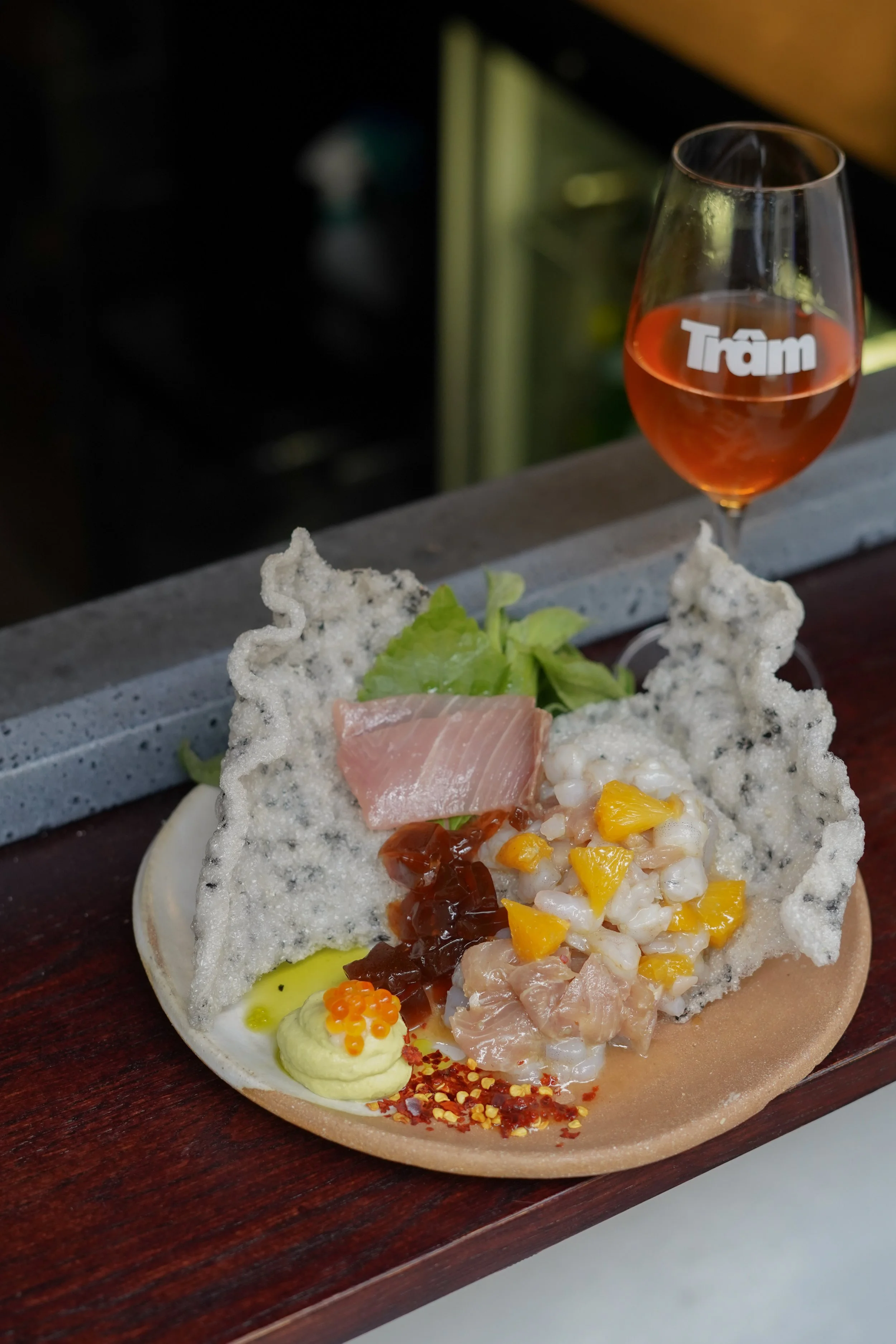
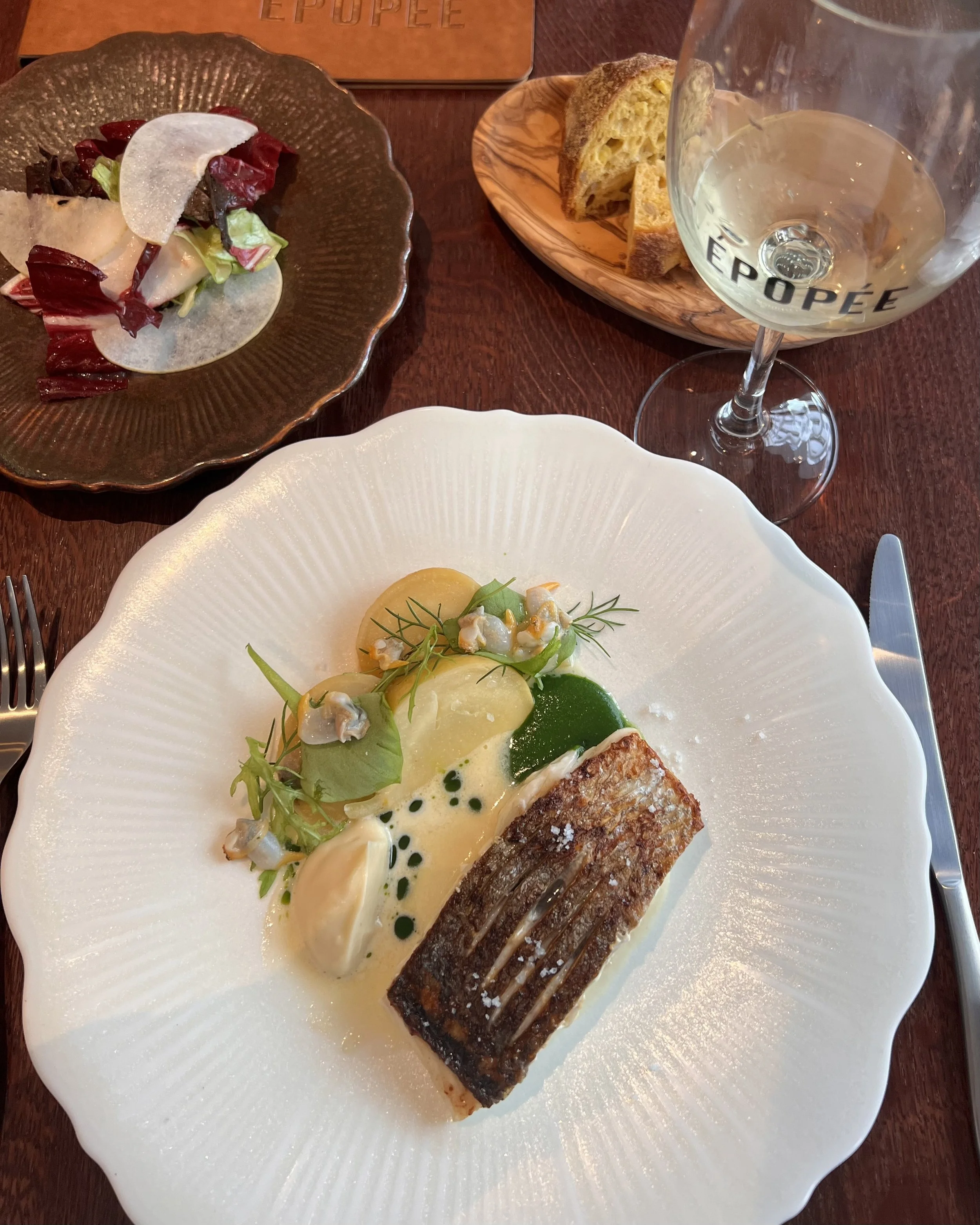
a tribute to sea (photo Amber)
We can clearly see and taste Asian influences in your cooking. Could you tell us a bit more about that? When you combine those influences with French ingredients, what do you pay the most attention to? And when it comes to chili heat and spice, how do you decide where to draw the line—based on your own palate, or by testing dishes on the French members of your team? 😁
My cooking is built on a very French foundation: butter, sauces, cooking techniques, and a deep respect for ingredients. But my flavor instincts come largely from Southeast Asia, and particularly from Southern Vietnam—the balance between richness, acidity, saltiness, sweetness, heat, and umami.
I’m not particularly fond of the word fusion, because it often reduces something complex to a simple juxtaposition of ingredients. For me, it’s not about placing an Asian ingredient on a French plate; it’s about creating an overall sense of balance.
When I work with a French product, I’m always careful not to overpower it. A condiment should support an ingredient, not dominate it. Take chili, for example: it shouldn’t be there to prove a point or to shock people. It should be there to add dimension and depth.
And yes, I do a lot of tasting with my team—which is probably a good thing, because my own tolerance for spice has become a fairly unreliable benchmark. 😁
Are there any Asian ingredients that don’t exist in France but that you would love to use in your cooking?
Yes, many. Especially very specific herbs, different varieties of basil, aromatic leaves, fruits used for acidity, or very local fermented products.
Even when you can find them in France, they don’t always have the same intensity or freshness.
An herb picked in Vietnam at 35 degrees in the morning simply doesn’t taste the same as one that has traveled for several days.
It’s often less about rarity than about the vitality of the product itself.
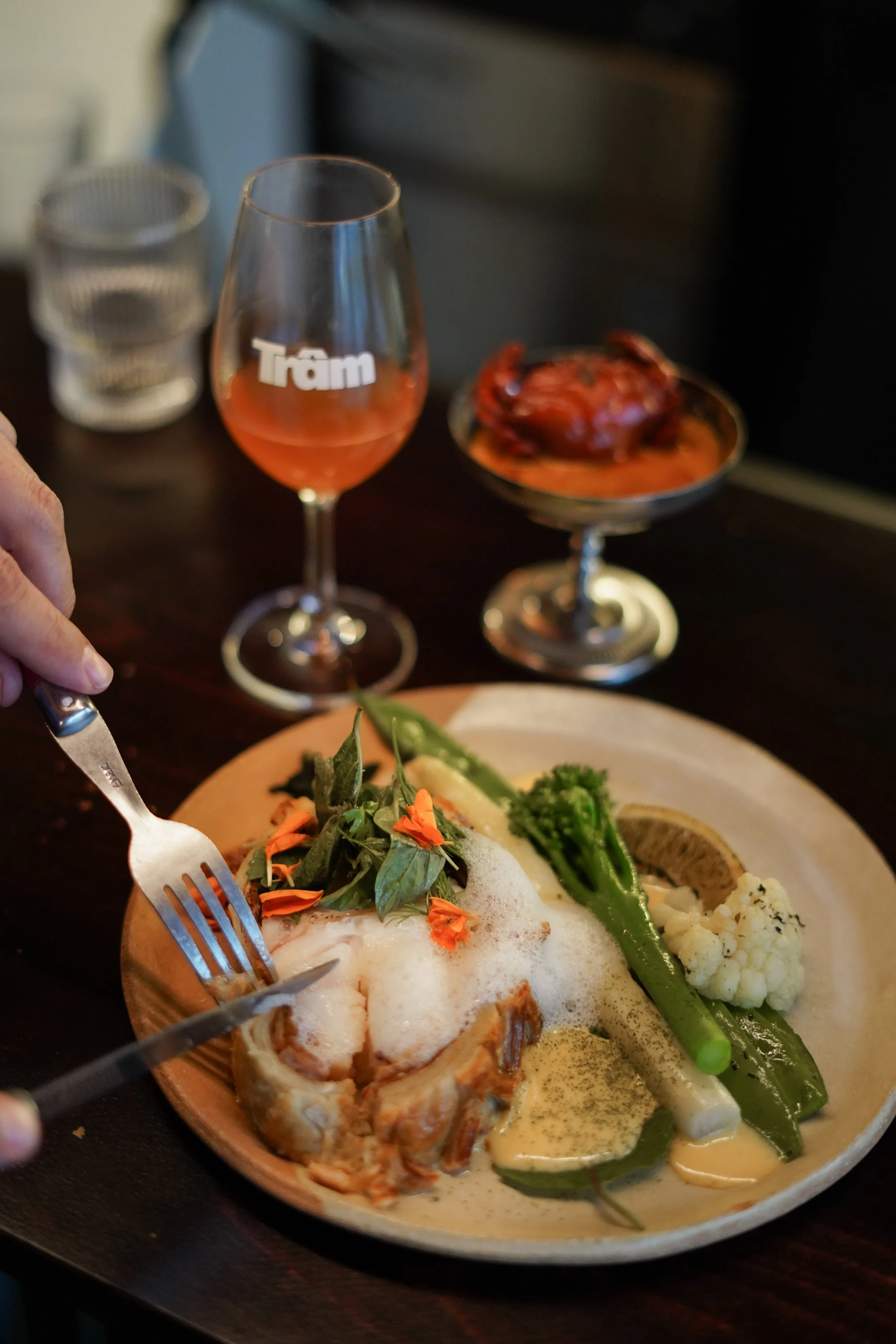
monkfish wellington (photo: Amber)
What do you use to keep learning and evolving? The internet, magazines, books, documentaries…?
I draw inspiration from a bit of everything, but mostly from meals, conversations, and everyday observations.
The books and television programs of Anthony Bourdain had a profound influence on the way I see this profession. I was deeply touched by his vision of cooking and of the people behind it—something both tender and honest at the same time.
For the foundations of classical French cuisine, La Cuillère d’Argent remains an important reference, while Auguste Escoffier is essential for understanding the fundamentals of traditional cooking.
Through books, I’ve also learned a great deal about culinary history: how food has always been connected to power, trade, and social change. For example, Louis XIV had what was essentially an army of cooks around him, and after the French Revolution, many of those chefs went on to open some of the first restaurants.
It’s also fascinating to see how culinary traditions evolved through exchanges between civilizations. Ancient Roman cuisine, for instance, used powerful seasonings such as garum, which in some ways resemble the role that salt and fermentation play in certain Asian and Thai cuisines today.
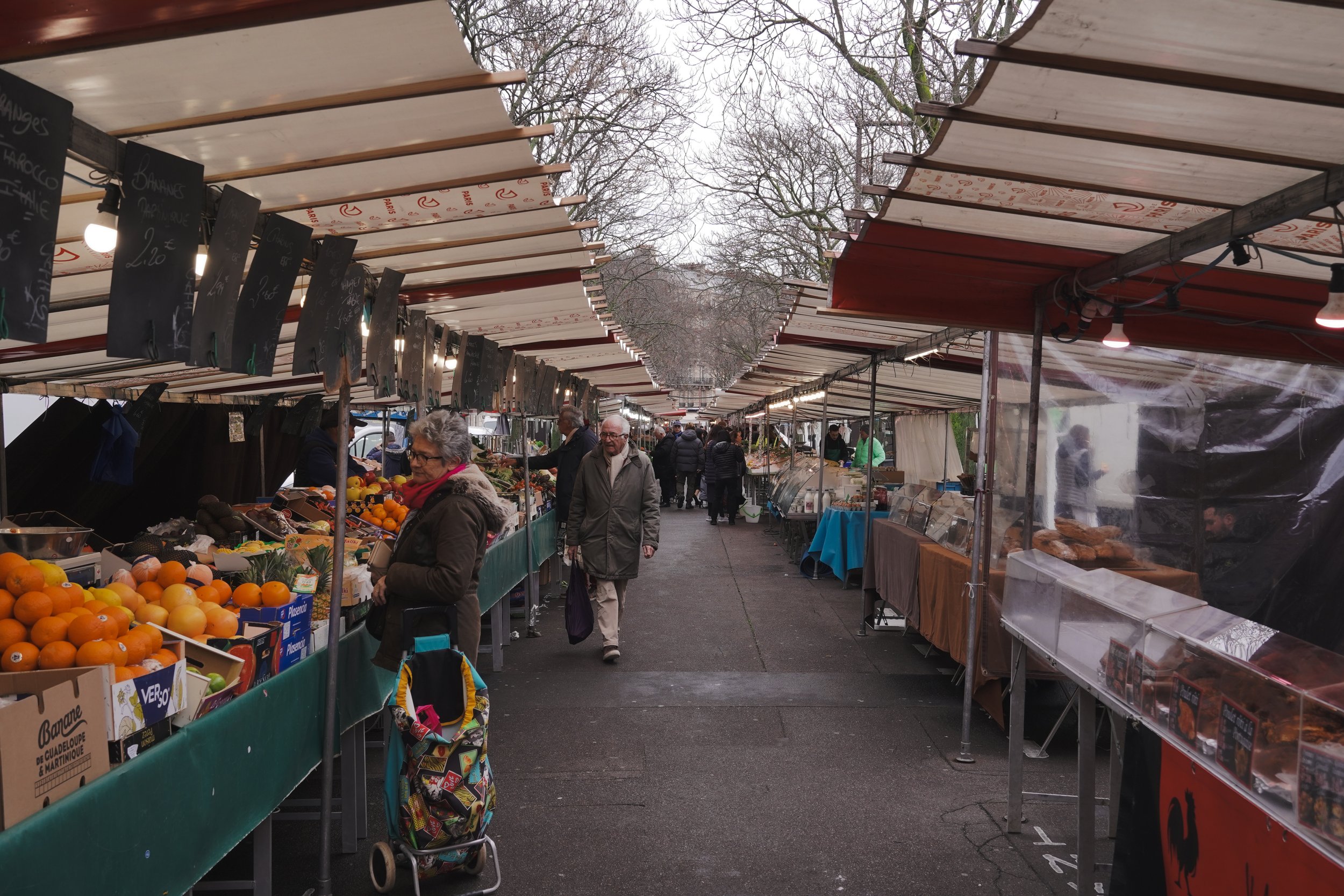
Going to markets is equally indispensable for me. I am just as curious walking through a foreign hypermarket as I am visiting a local farmers’ market. Watching what people buy and what they eat is often where you begin to truly understand a culture.
Whenever I have time, I also love going to restaurants and discovering the work of other chefs.
There’s also Modernist Cuisine, which was a birthday gift from my younger brother. It’s an extraordinary work that covers everything from technique and product knowledge to cooking methods and textures.
And above all, there’s repetition: making a dish again, understanding why it wasn’t quite right, adjusting it, and starting over.
That’s often where the real learning happens.
What’s your take on the Paris food scene today? What do you think the next two or three years have in store for us?
The Paris food scene is incredibly competitive and in constant motion. There are new openings everywhere, fresh ideas, changing concepts, and a new generation of chefs emerging all the time.
Many of those young chefs—myself included—have come to cooking through career changes rather than traditional culinary paths. That often brings a different perspective and a different way of thinking about food.
At the same time, we’re seeing a real return to brasseries, bouillons, and a style of cooking that is more straightforward and accessible. Alongside that, wine bars with serious chef-driven kitchens continue to thrive. The lines between restaurants, bistros, caves à manger, and bistronomy are becoming increasingly blurred—and I find that incredibly exciting.
That said, there’s also a very real economic reality. Ingredient costs continue to rise, operating expenses are increasing, and consumers are either spending less or simply spending differently. As a result, restaurants need to be far more agile, precise, and consistent in what they offer.
There’s also another Parisian reality: many people are leaving the city. That inevitably changes the way you think about a restaurant, its identity, and the audience you’re trying to serve.
As for me, I also have some long-term ideas involving Brittany for more personal reasons—but perhaps that will be the subject of another interview a few years from now. 😉
Are there any Paris-based chefs who inspire you? And perhaps a few names from elsewhere in the world as well?
There are many Parisian chefs who inspire me—sometimes through a meal, sometimes through a personal encounter.
Thanks to the pop-ups I’ve done over the years, I’ve had the chance to meet chefs who taught me a tremendous amount, even during very brief collaborations. From each of them, I took away something valuable: wisdom, discipline, confidence, or simply the desire to push myself further.
Alcidia Vulbeau is one of them. We worked together on a pop-up, and she runs a wonderfully poetic, market-driven, seasonal kitchen at the Saint-Ouen flea market. She works out of an incredibly small kitchen and taught me a great deal about resourcefulness, efficiency, and the importance of doing things well, even with limited means.
Then there’s Antoine Griton, whom I met at Yard and who is now at L’Arlequin. When we worked together, he was only twenty years old, yet he already had the precision and rigor of a pastry chef. He’s one of those people who leaves a lasting impression.
I’ve never actually worked with Tomy Gousset, but before opening the restaurant he generously took the time to meet with me and help me refine my business plan. That kind of support means a great deal, especially when it comes from a chef with such an accomplished career.
There are also chefs who have inspired me simply through their cooking. One example is Giuliano Sperandio at Taillevent. At the time, he was one of the pioneers of bistronomy. His career, his humility, and that particular dinner remain among my most memorable culinary experiences in recent years.
Internationally, I have enormous admiration for the chef of Sushi Ikkyu, a tiny eight-seat omakase counter in Setagaya, Tokyo.
Throughout his entire career, he has hardly taken a single day off. There is something deeply admirable about that level of devotion to one’s craft.
He once told me about his passion for vintage cars and the 24 Hours of Le Mans. What stayed with me was that he had booked trips to France several times, only to cancel at the last minute every single time because he felt he should stay and work instead.
For someone running an eight-seat sushi counter, that kind of discipline, commitment, and loyalty to his chosen path says a great deal about the way he sees his profession.
What’s your guilty pleasure food? McDonald’s, sausages, something else? 😁
Instant ramen.
When I’m tired and craving some comfort food, I make a bowl of instant noodles and add an egg yolk, fried garlic, sometimes a few vegetables, and plenty of chili. It very easily satisfies any cravings I might have for fries or burgers.
Other than that, I love Popeyes chicken wings and processed cheese.
But are you really going to publish that? Hahaha.”
(Of course I published it! Dear Priscilla, Paris by Walking has always been on the side of direct and honest communication. Hahaha.)
What are your favorite restaurants in Paris?
That really depends on my mood.
For a family Sunday lunch, I’d say Sinorama. I’ve been going there since childhood—for its wonderfully flavorful Cantonese cuisine and for everything that place represents to me.
For a tasting menu, I love Paulownia. There’s a great deal of finesse in the cooking, everything feels perfectly balanced, and every meal is a journey made up of countless small discoveries.
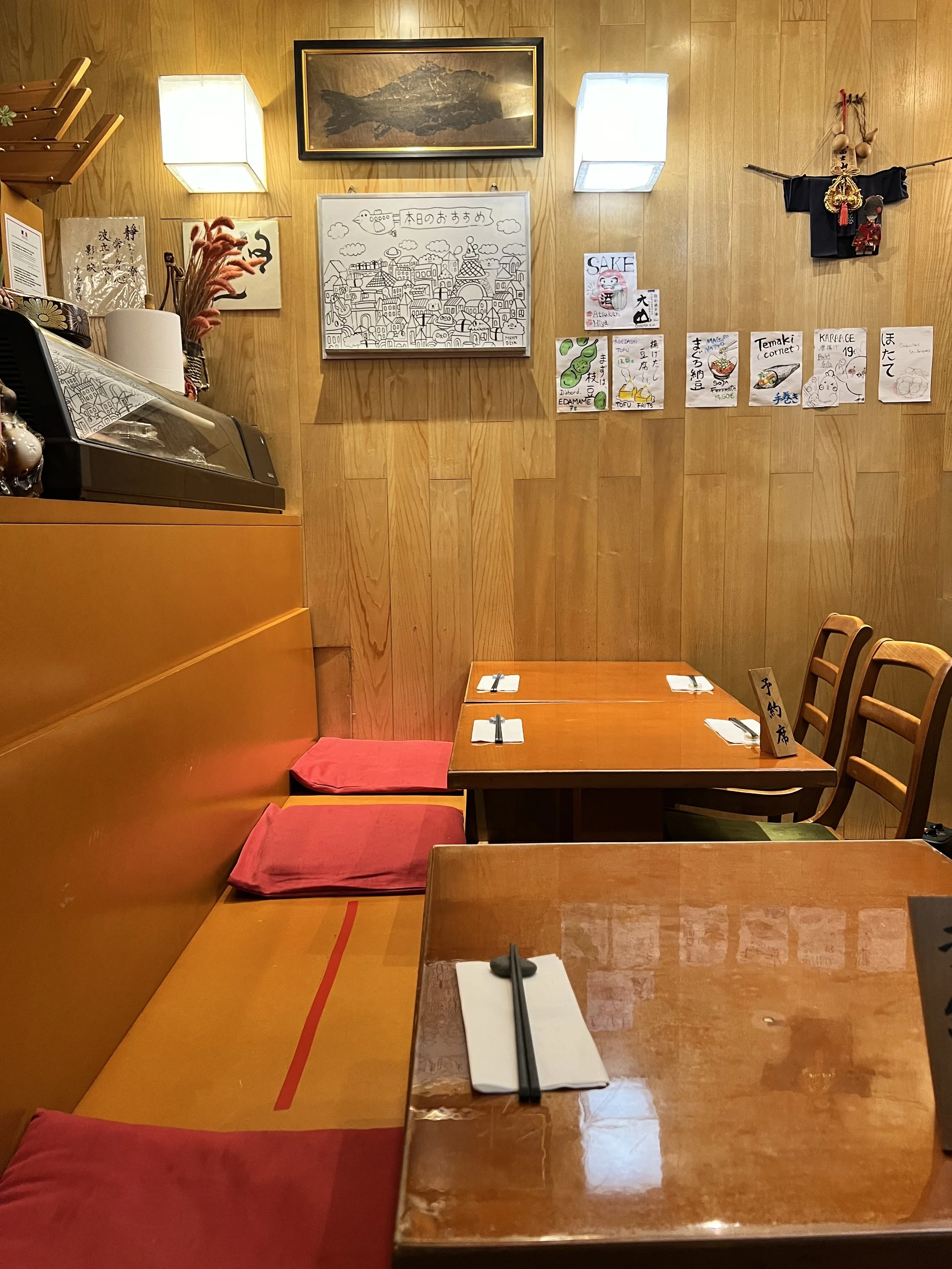
When I’m in the mood for beautiful Japanese fish without too much formality, I go to Takara, the oldest Japanese restaurant in Paris.
And for a late team dinner after service, Le Pied de Cochon remains a classic and reliable choice.
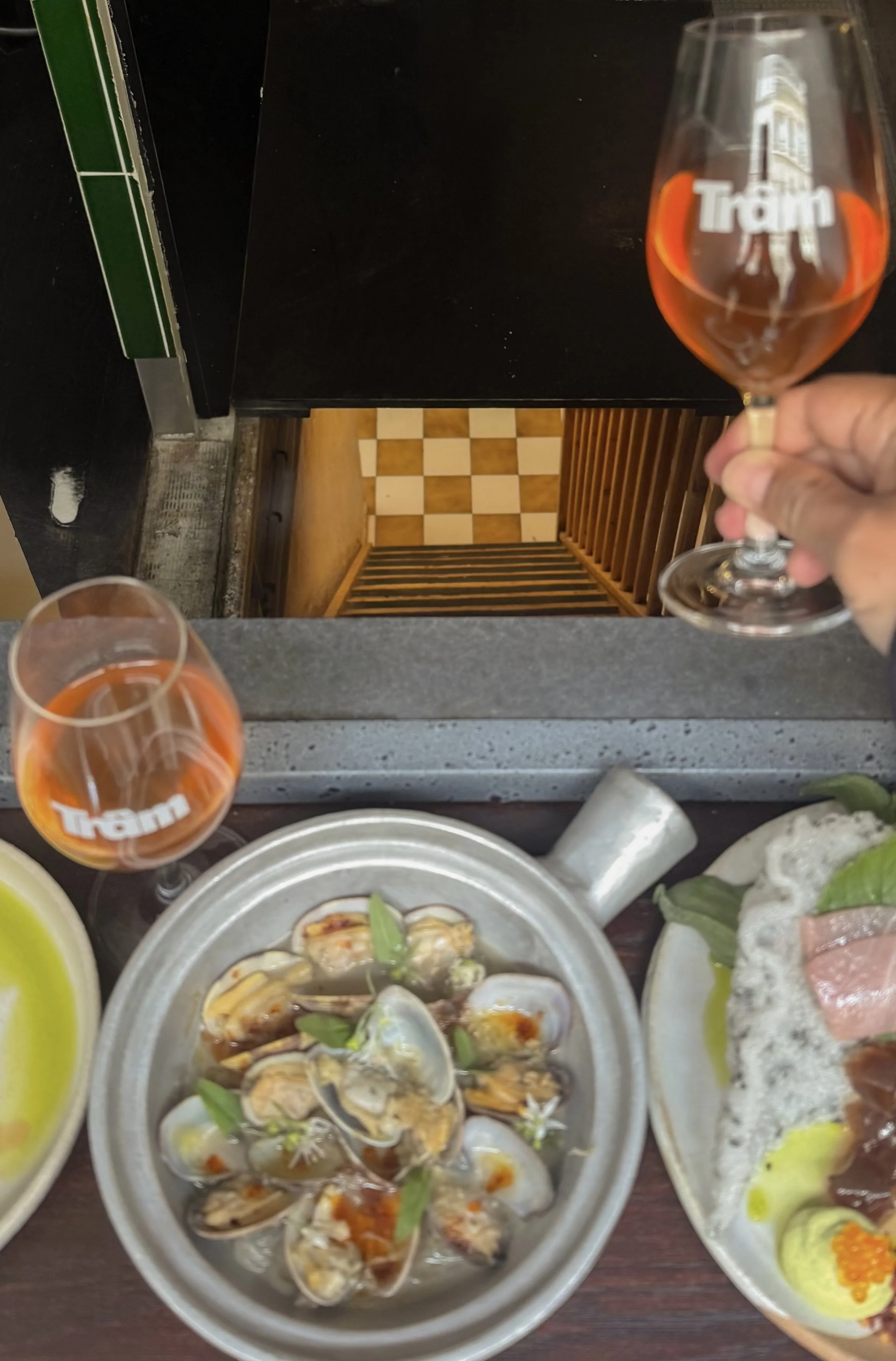
brittany clams with savagnin (photo: Amber)