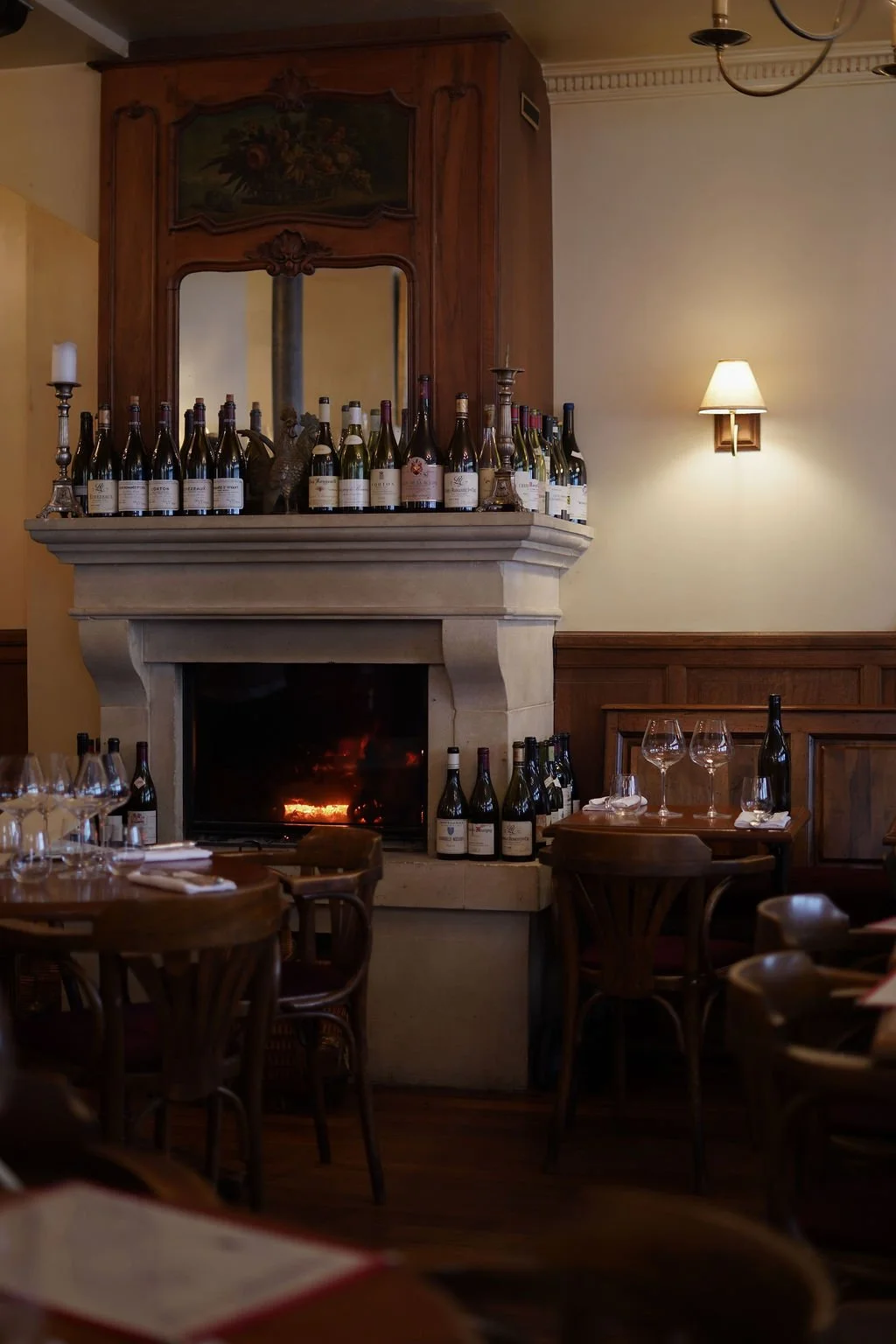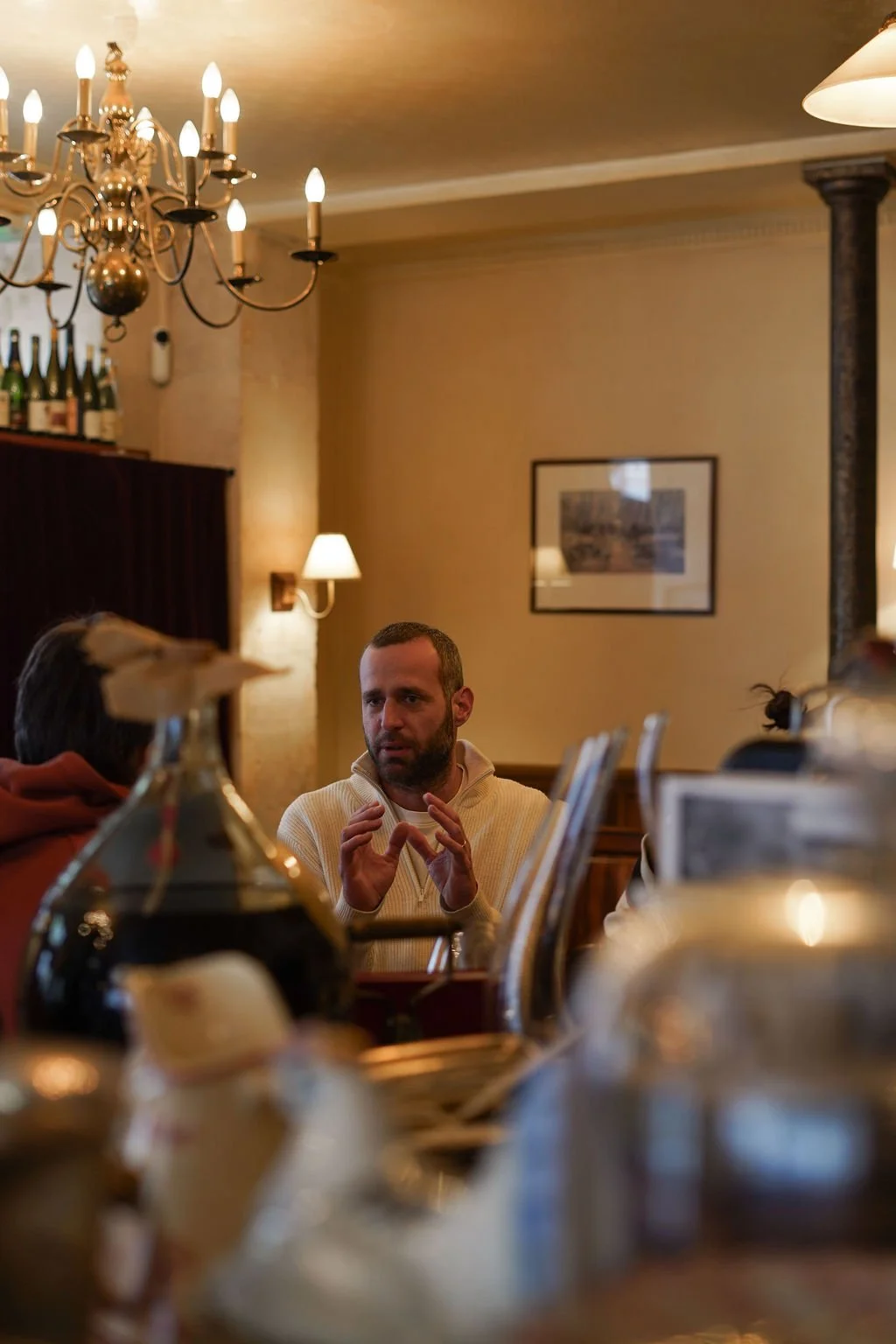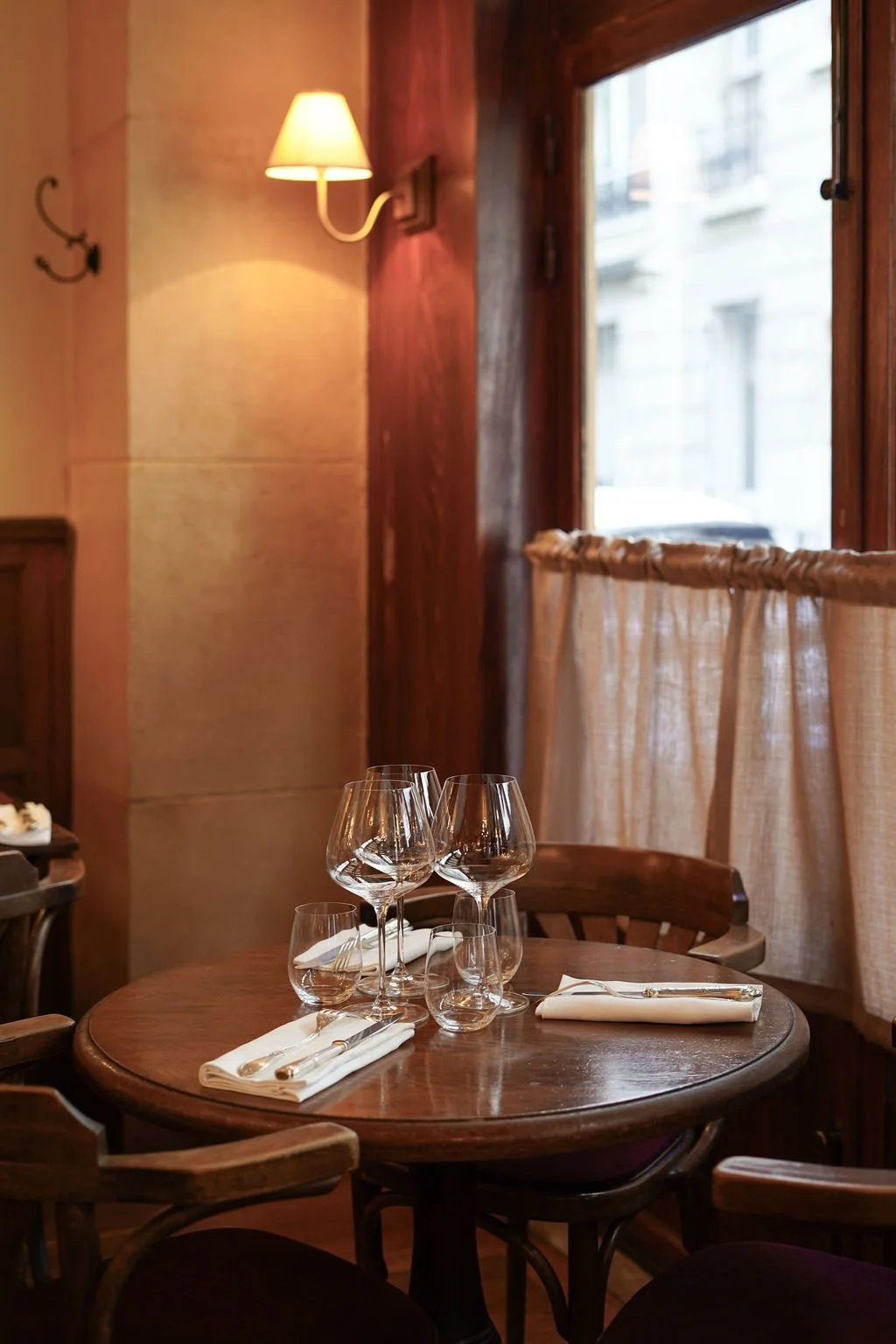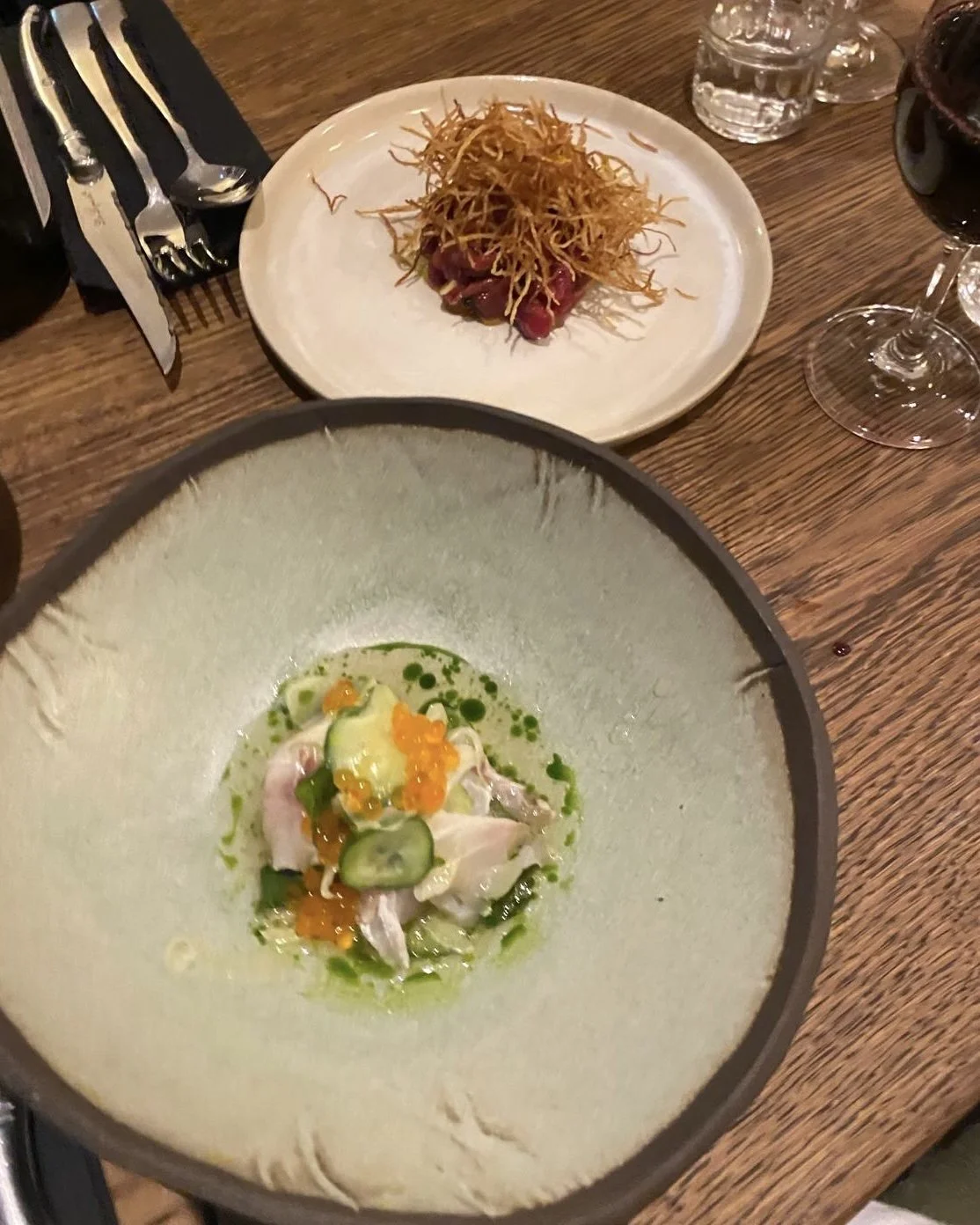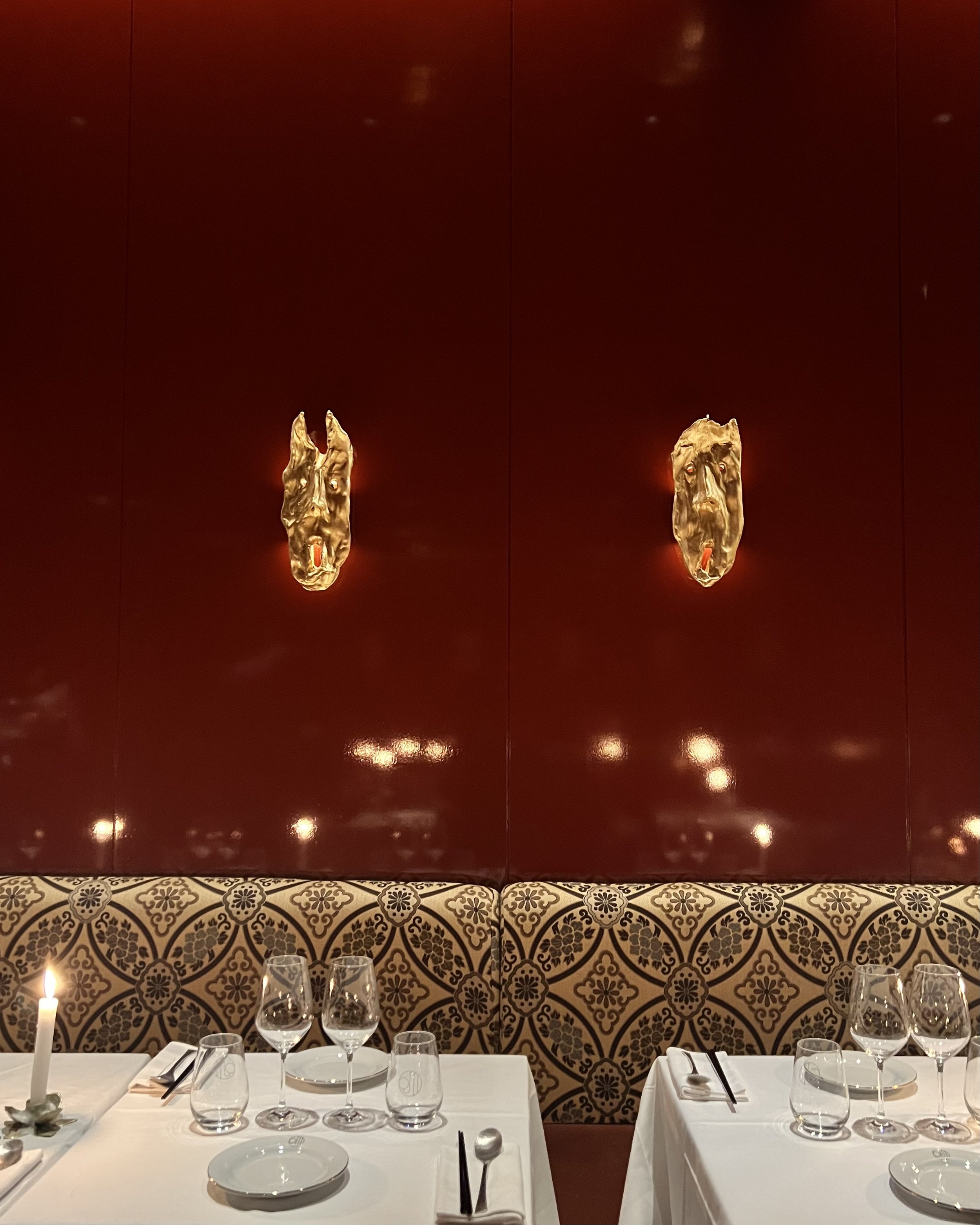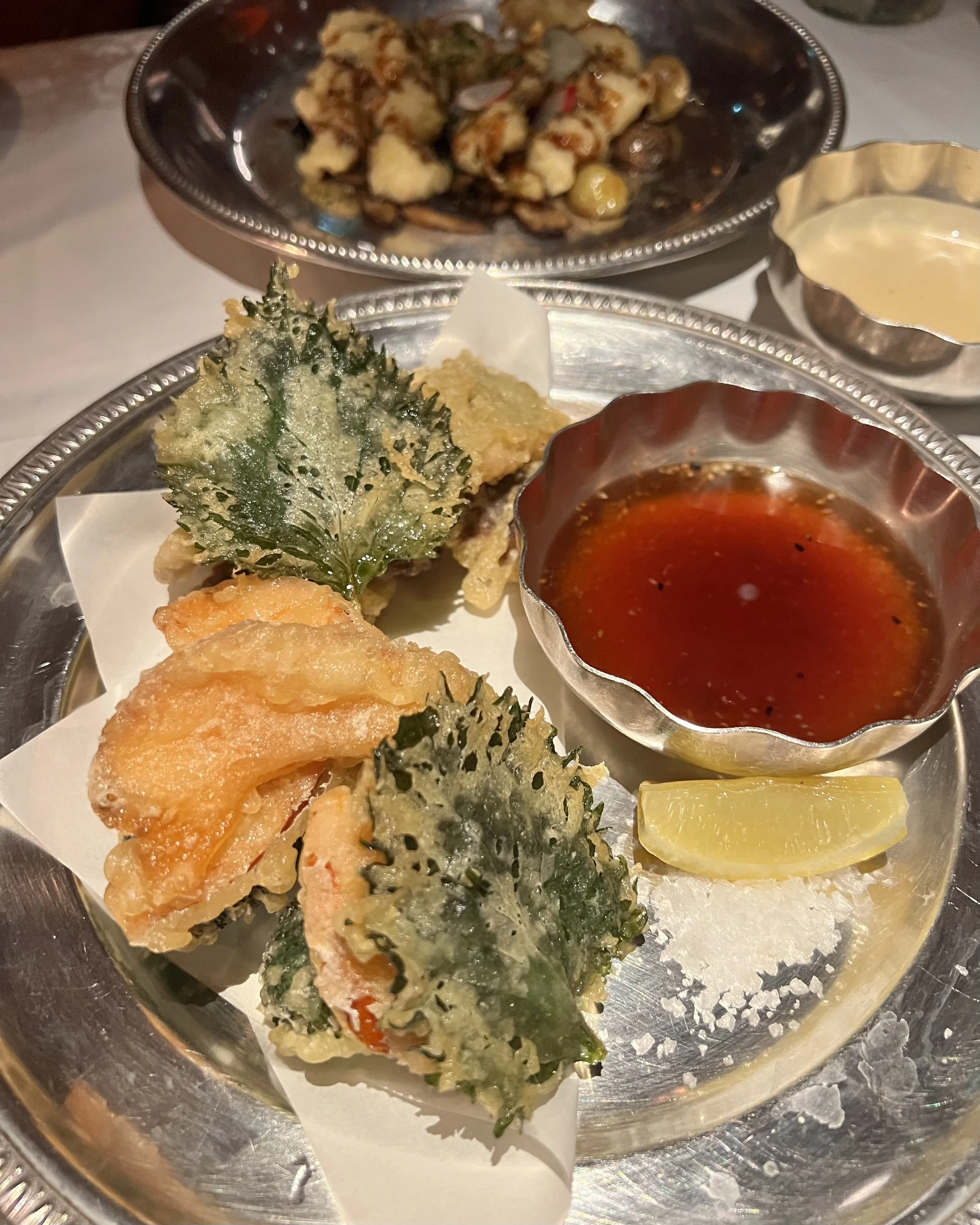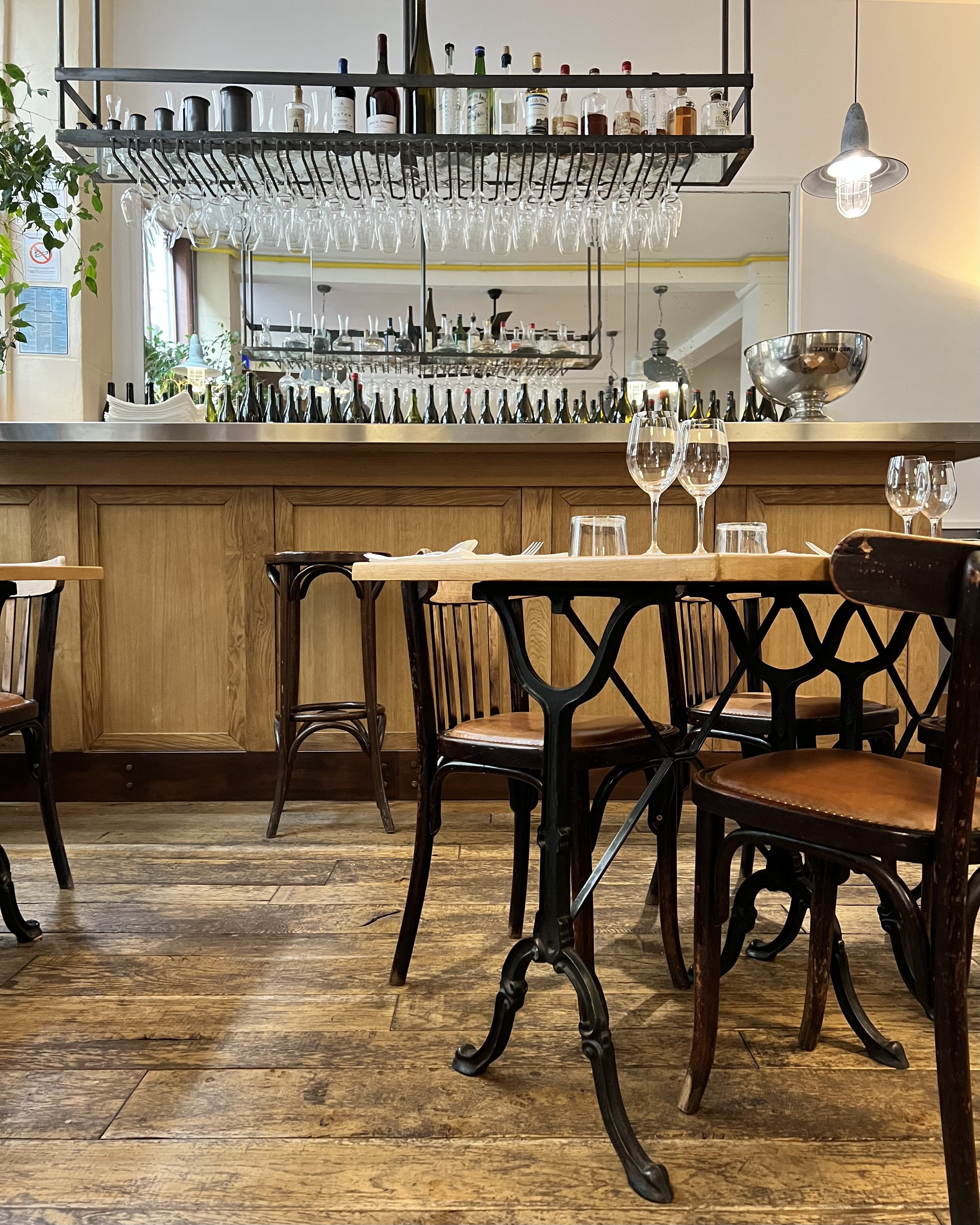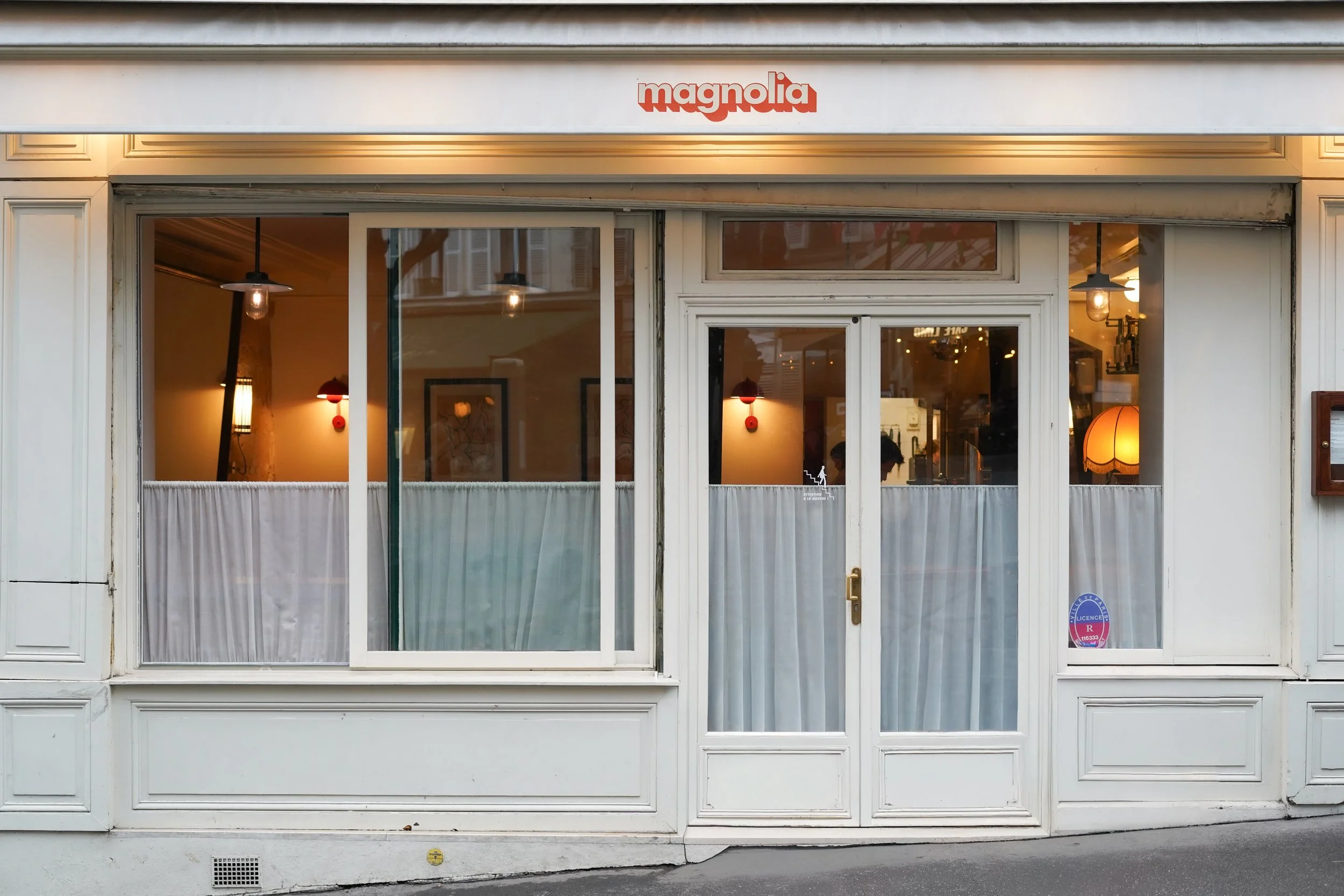
Magnolia: A Little Family Feeling in the Heart of Paris

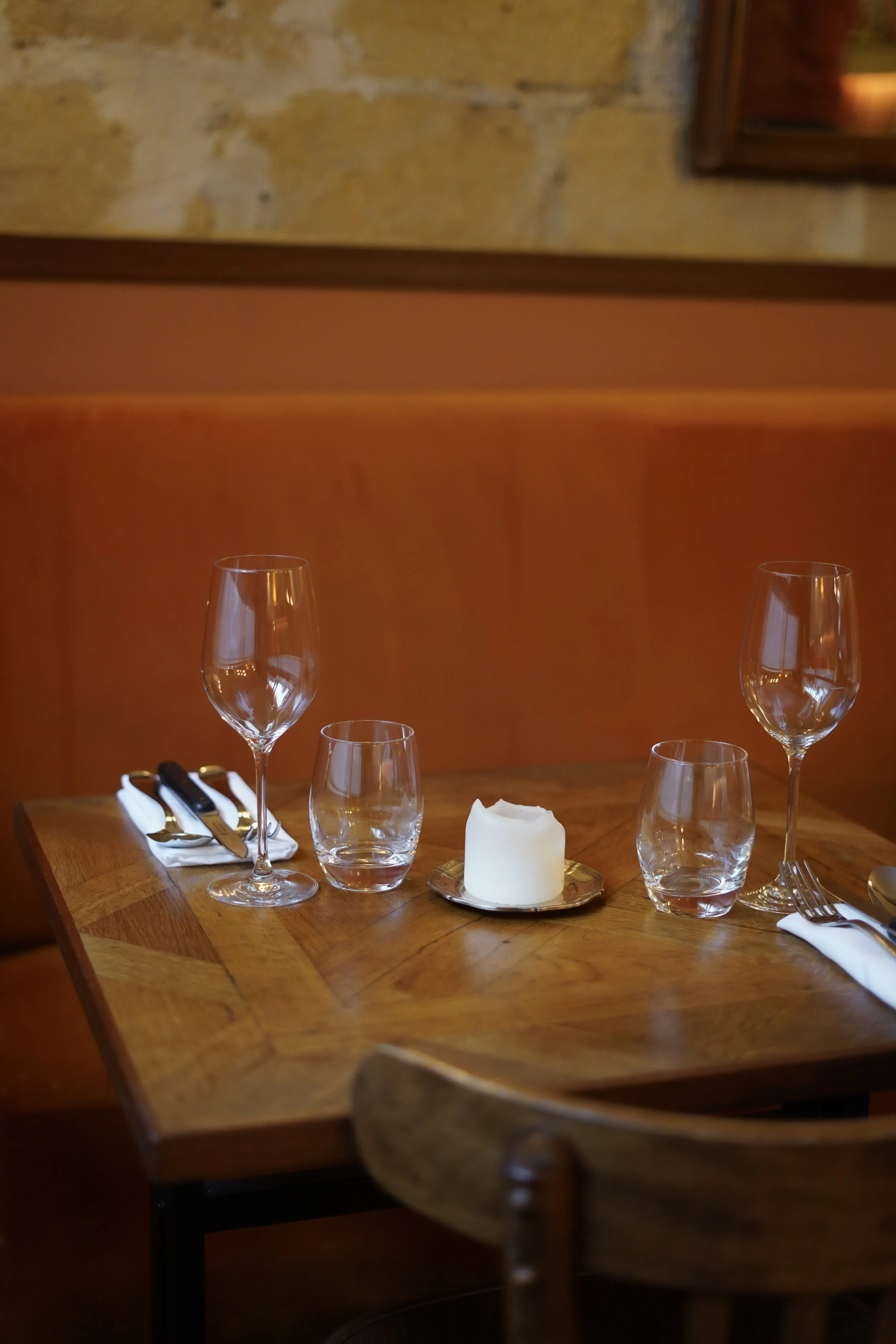
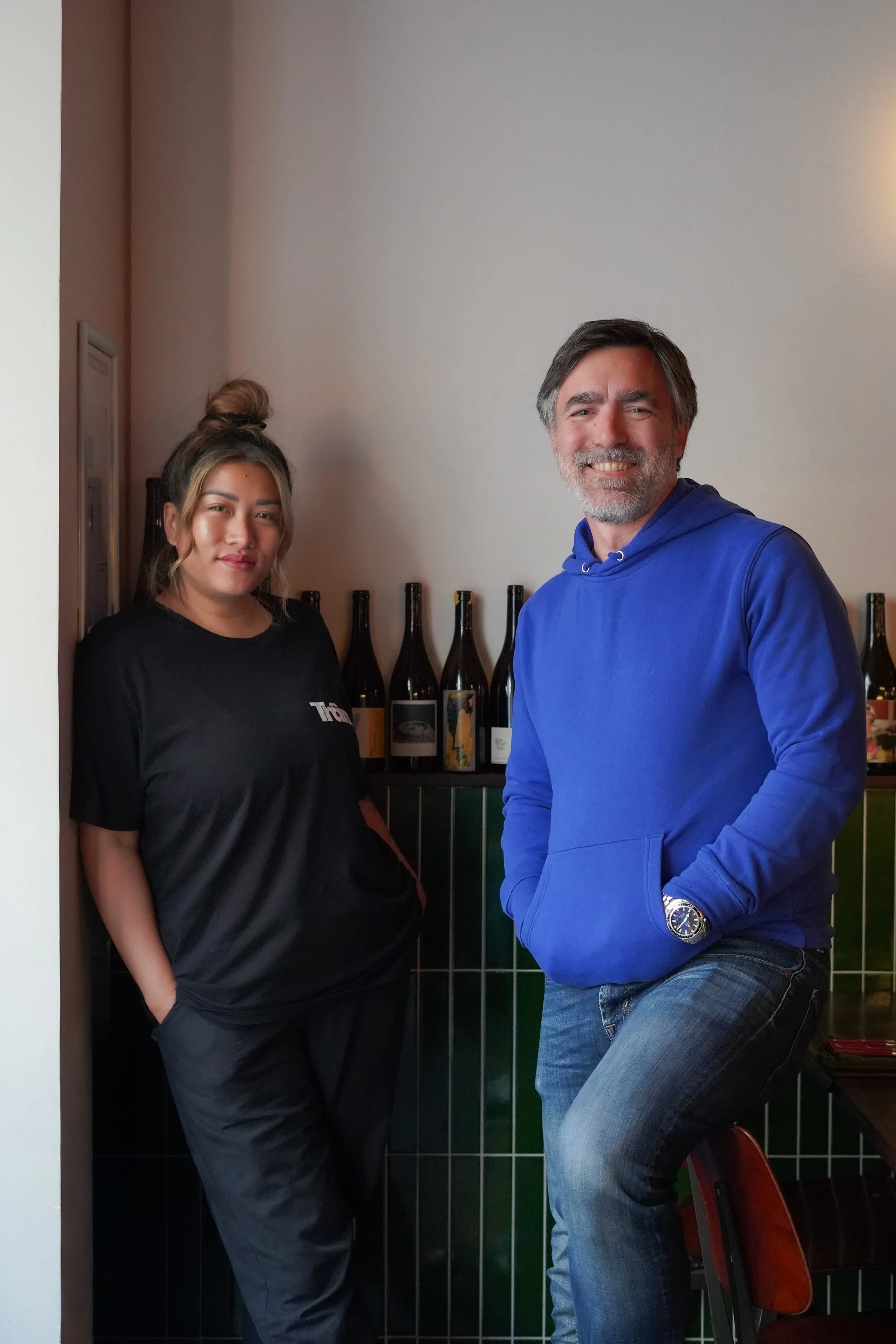
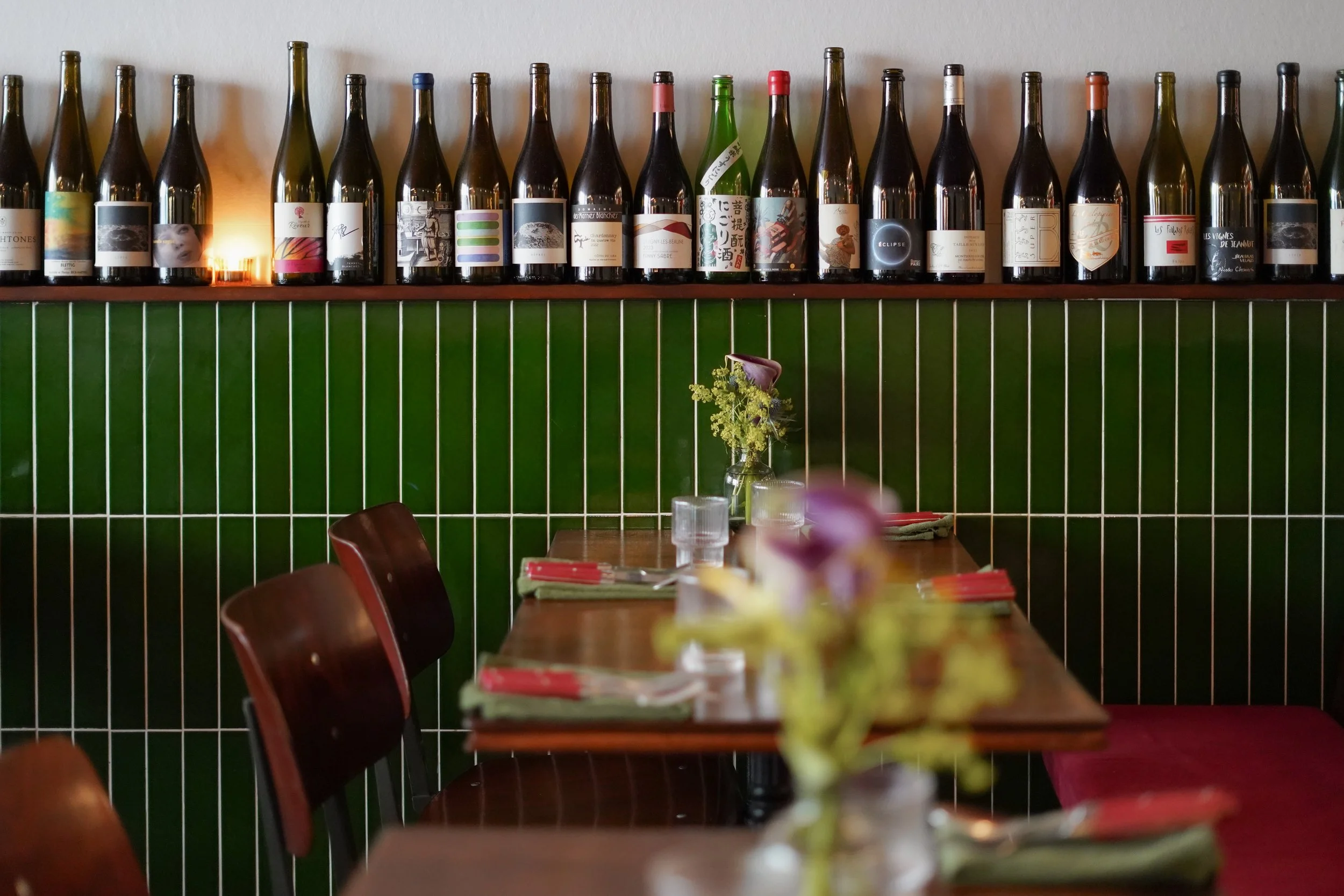
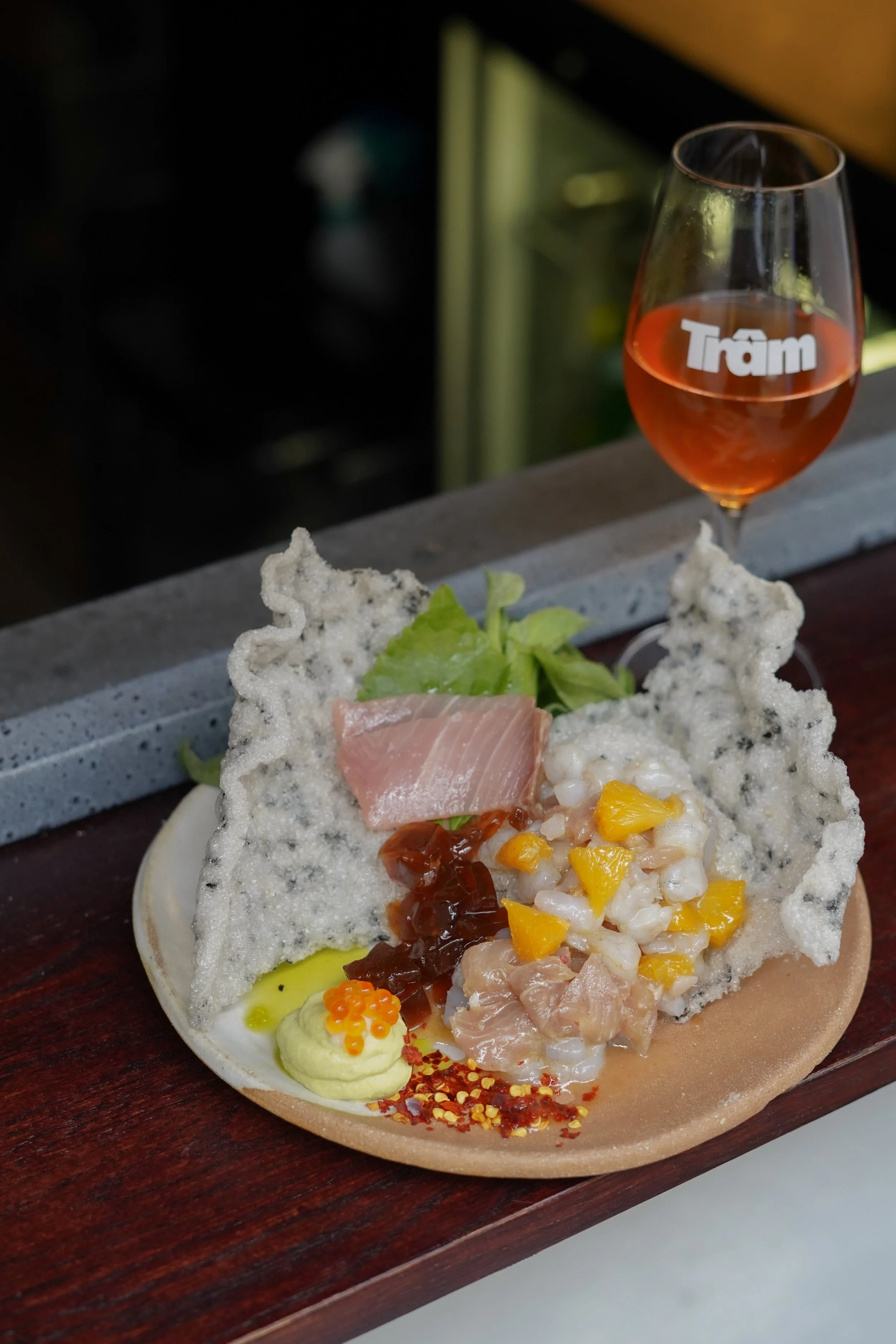
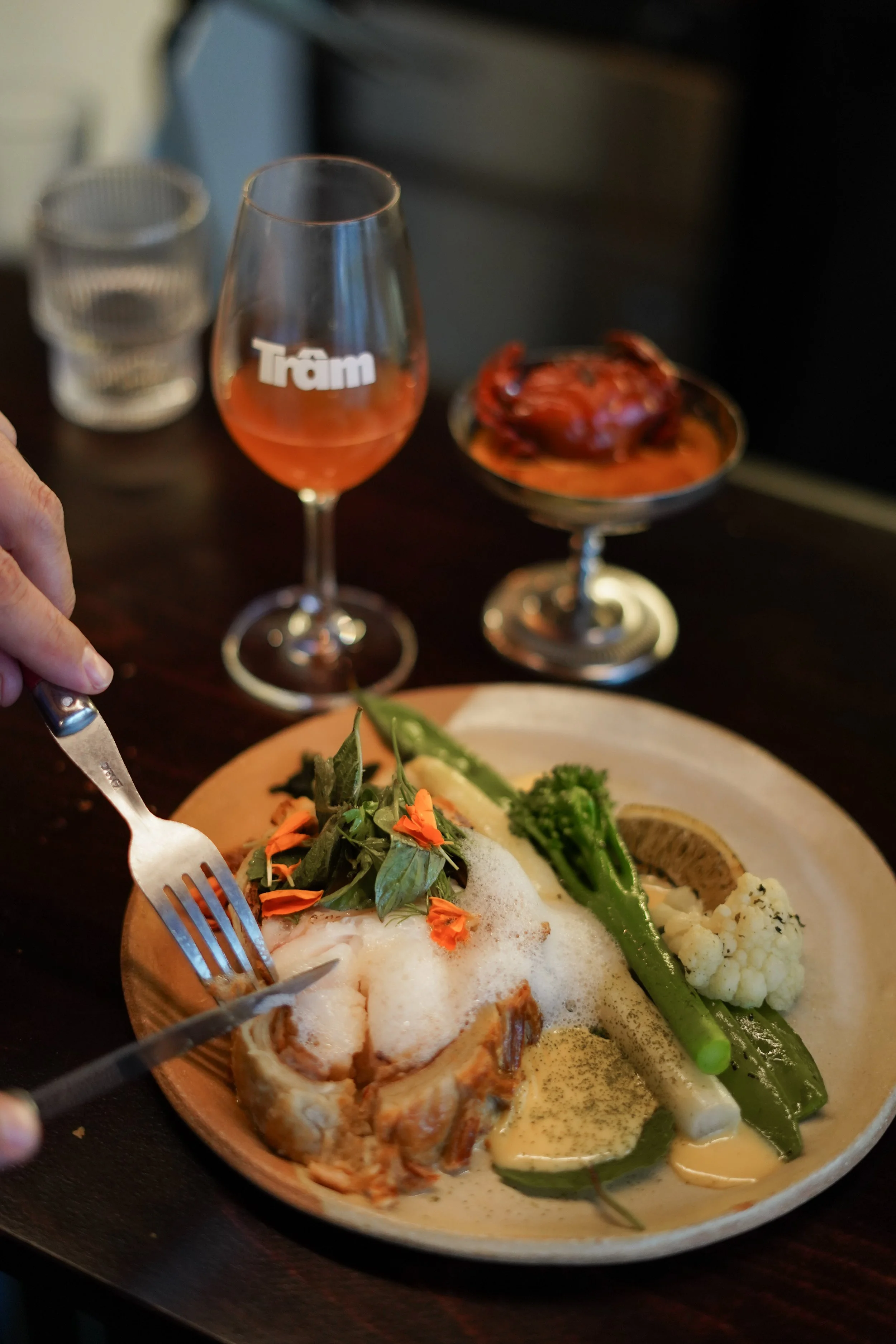
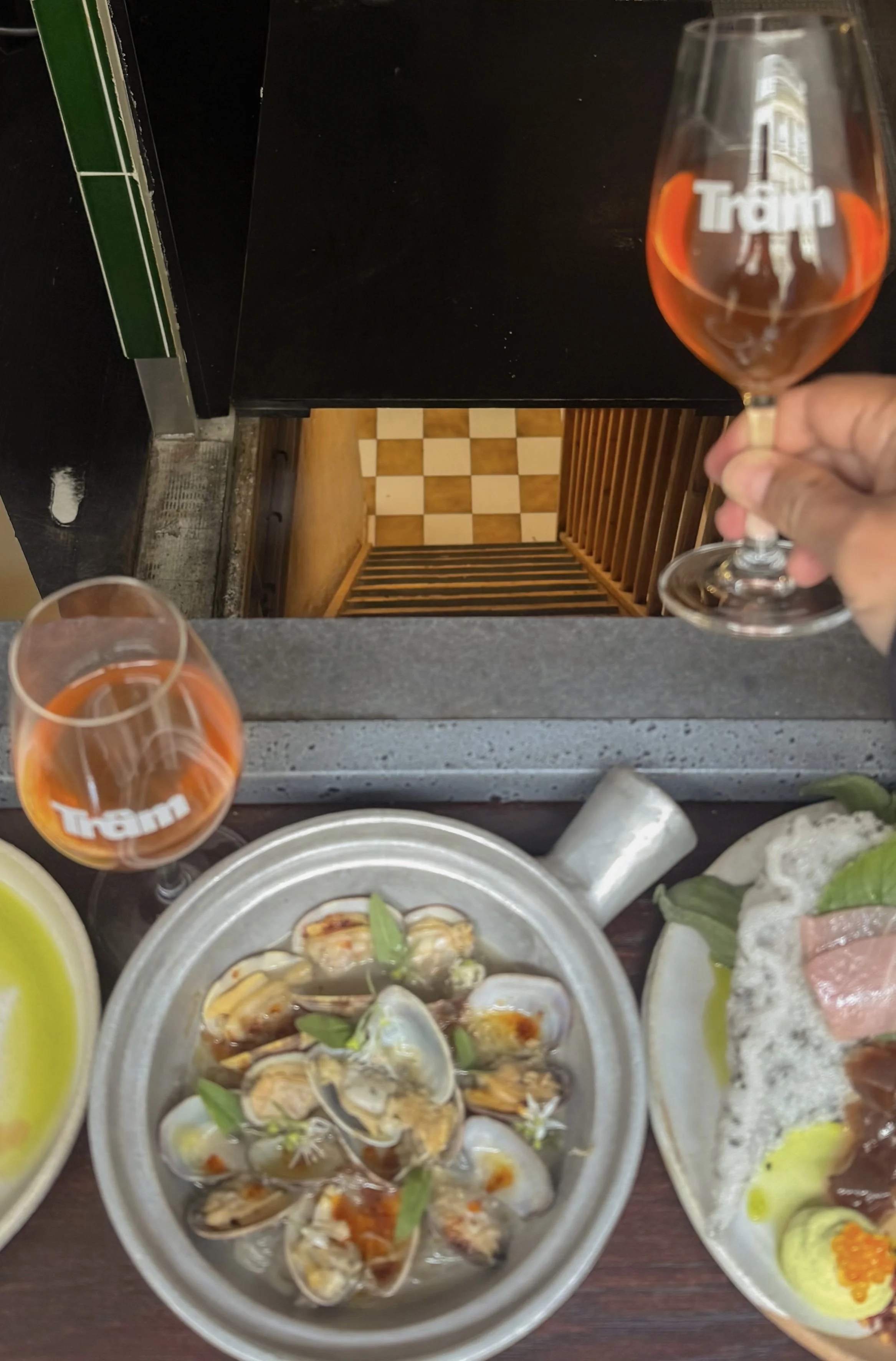
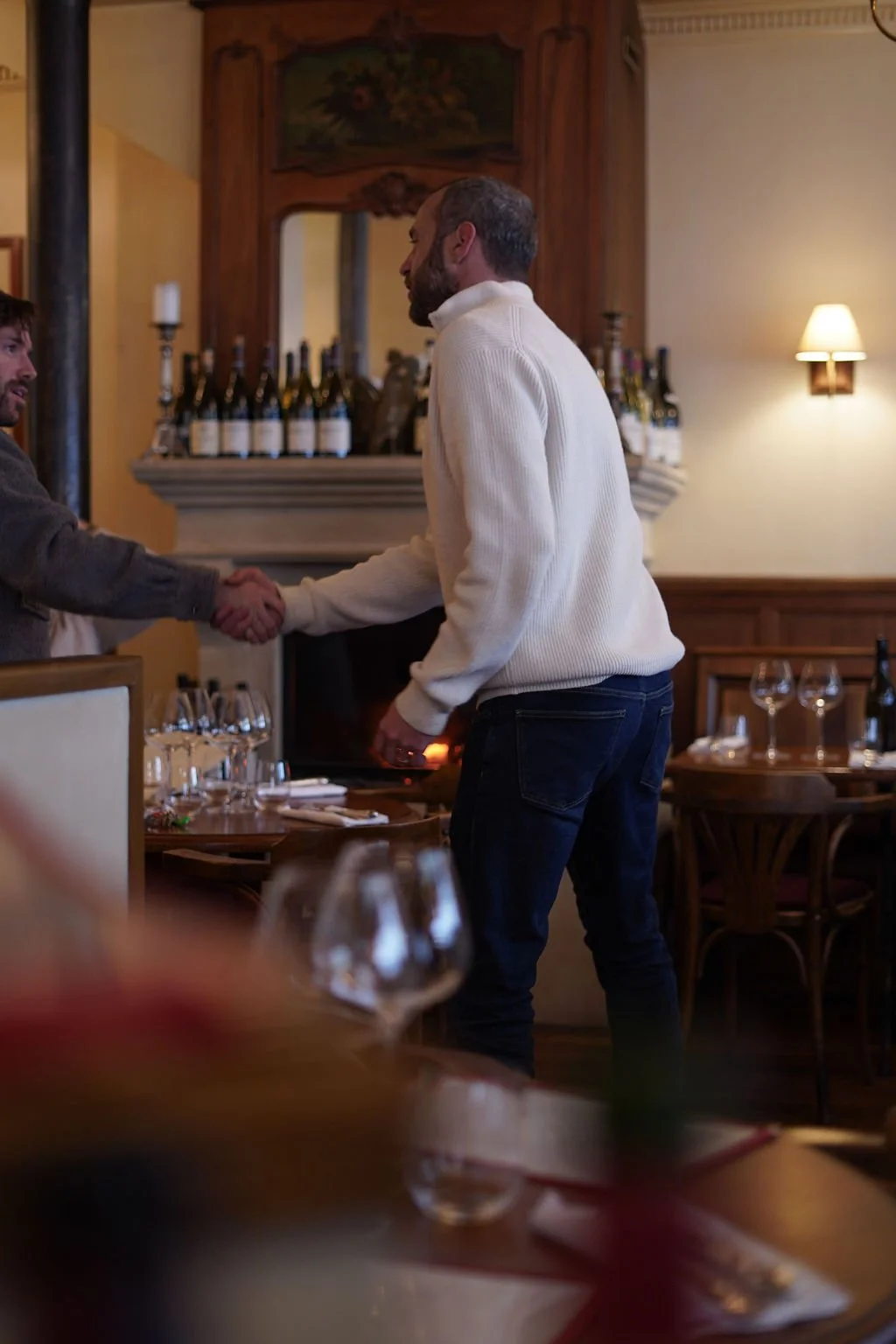
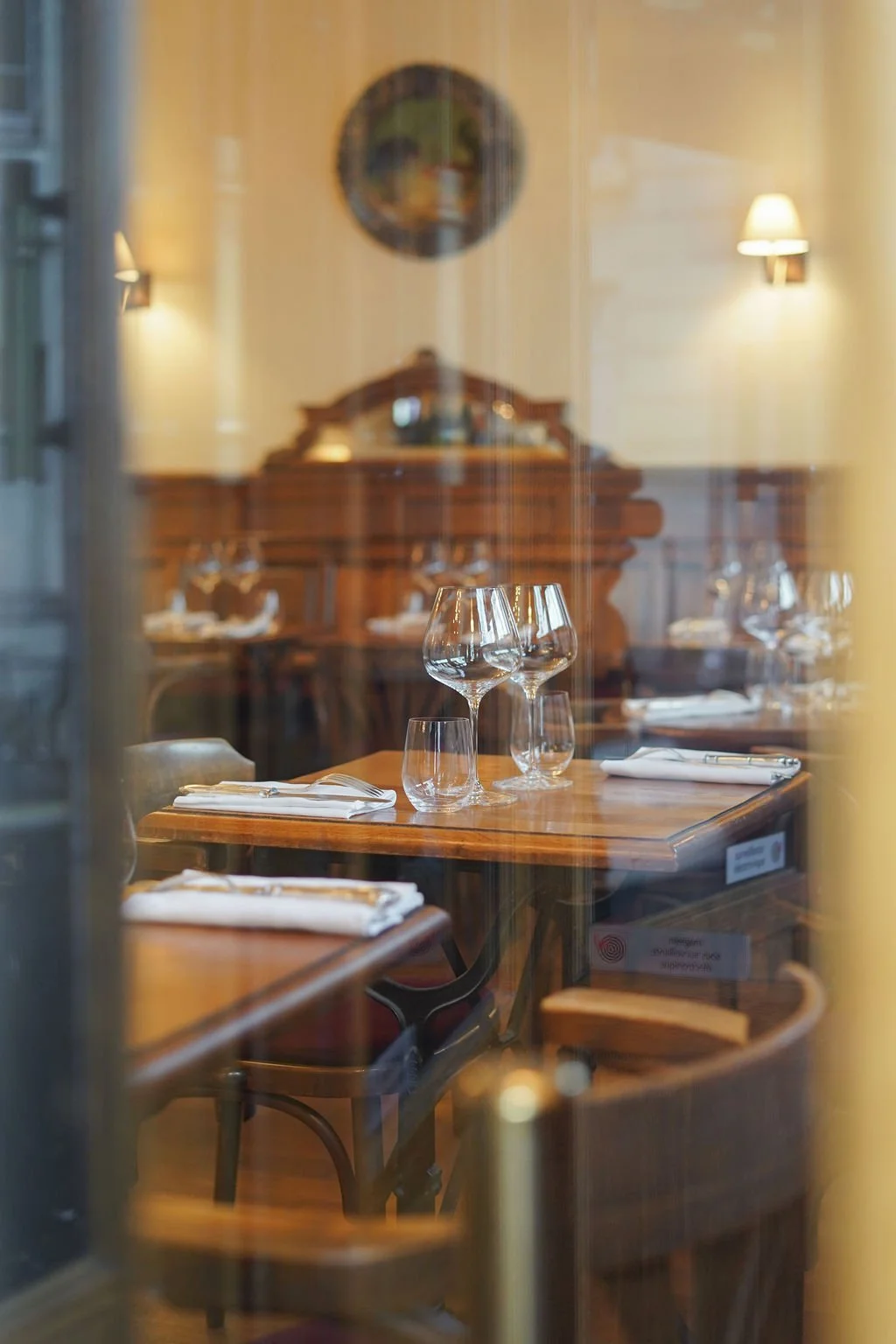
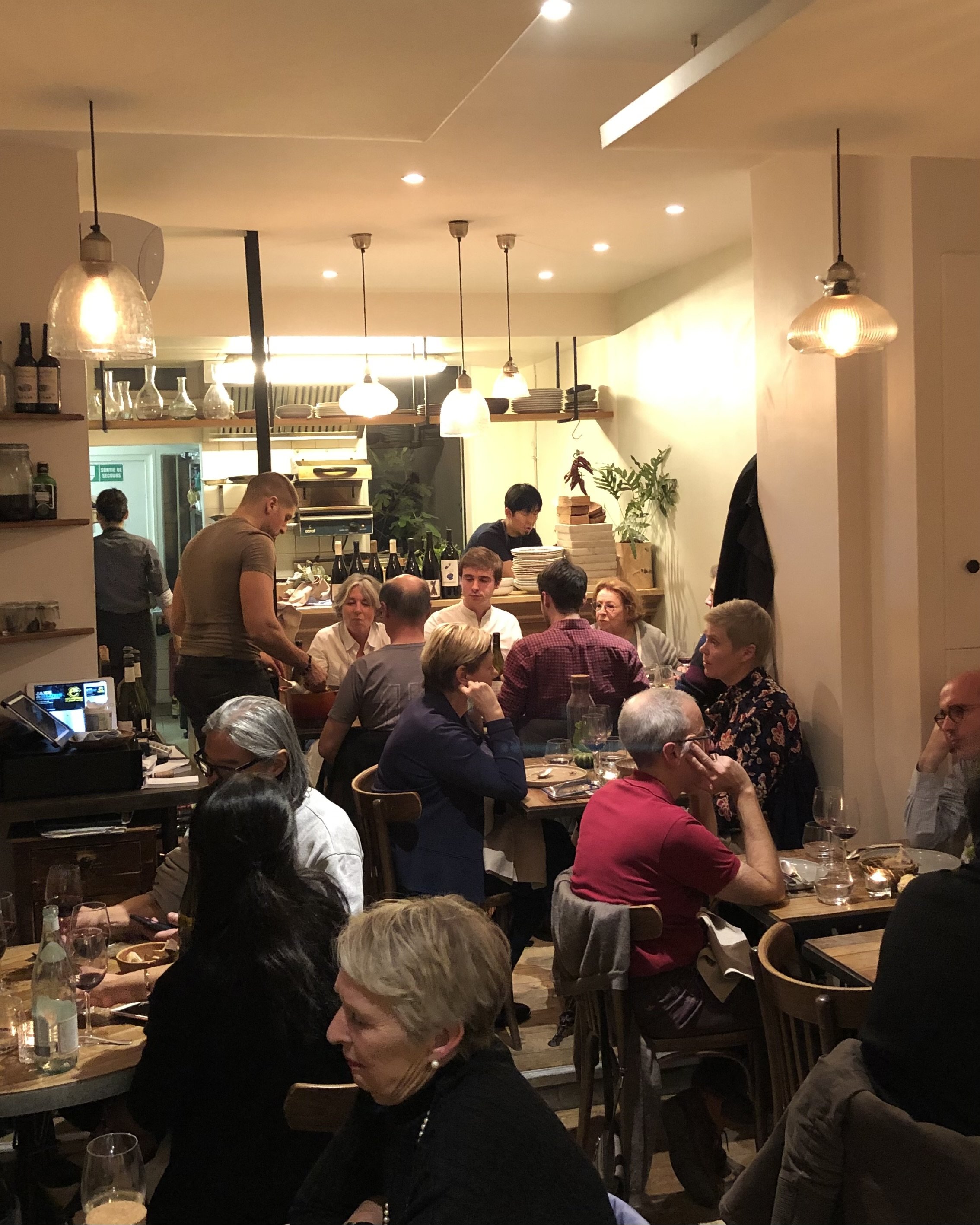
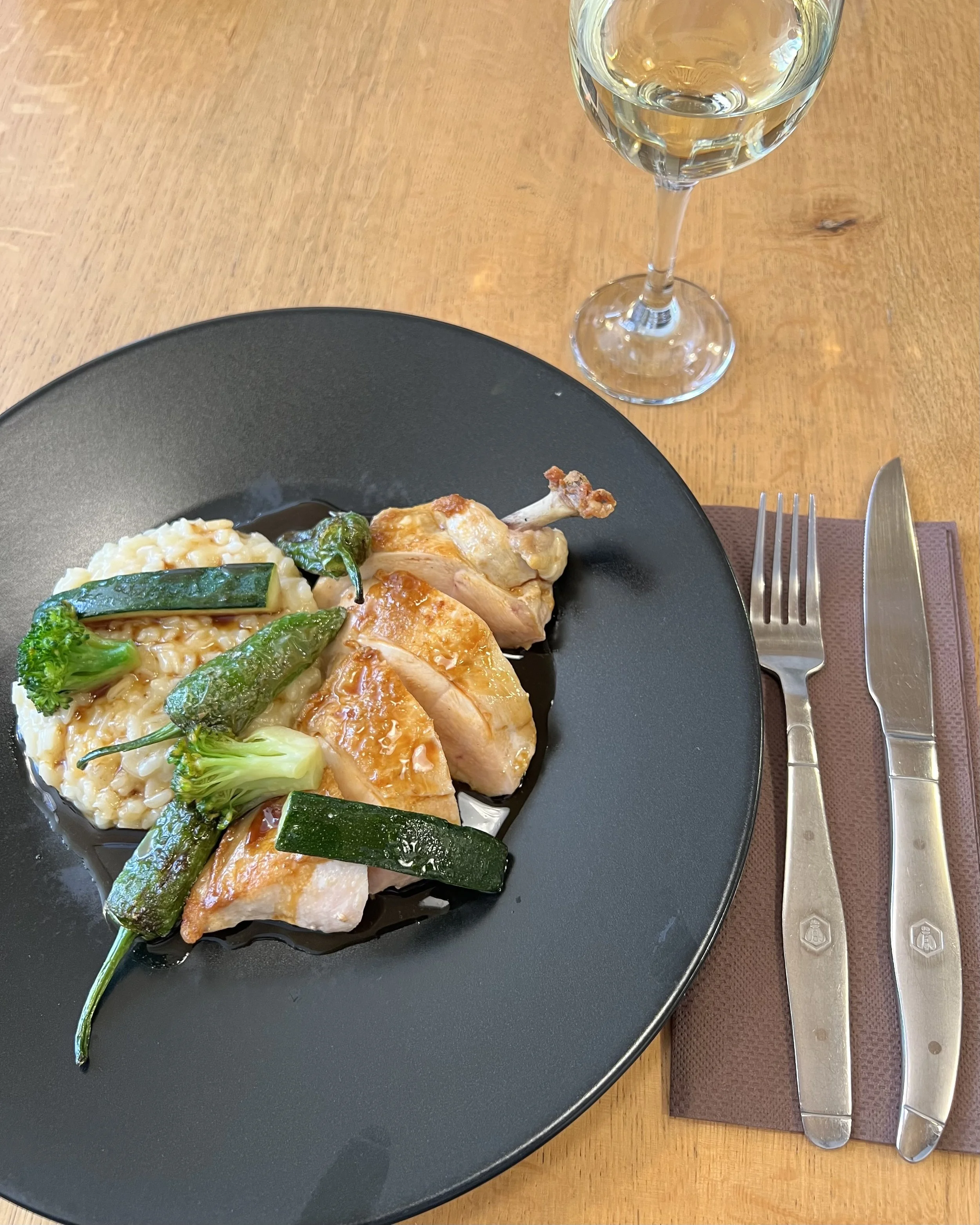
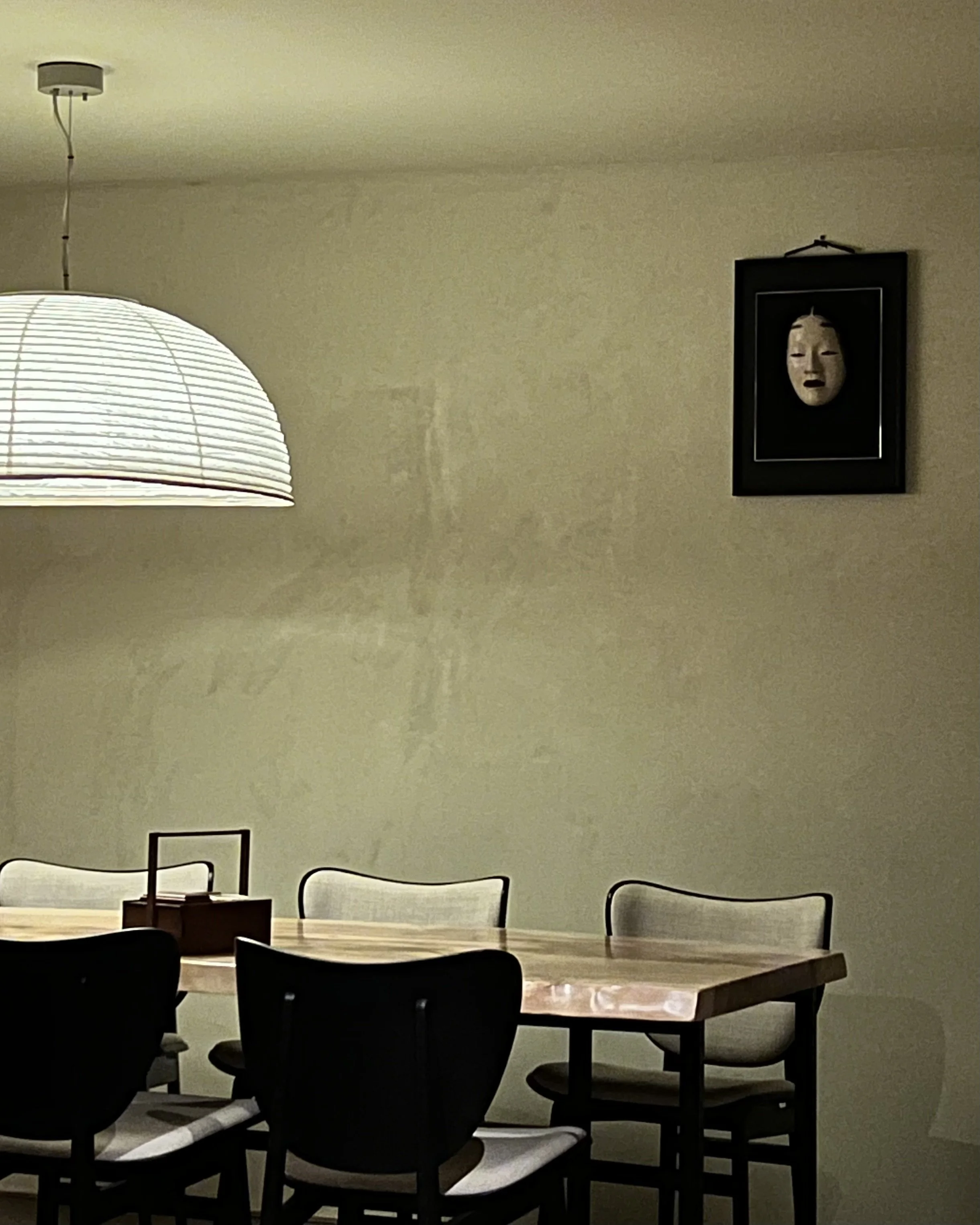
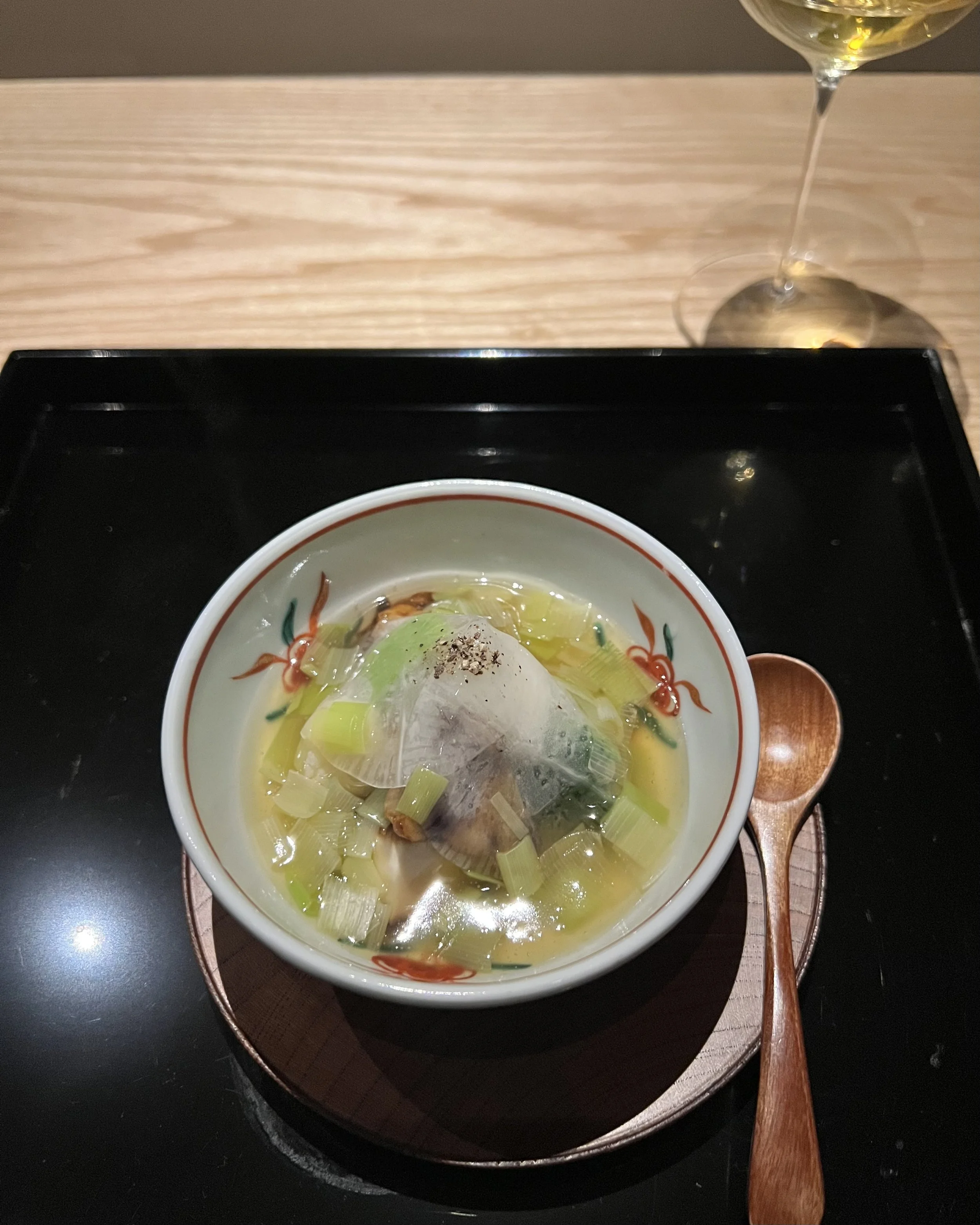
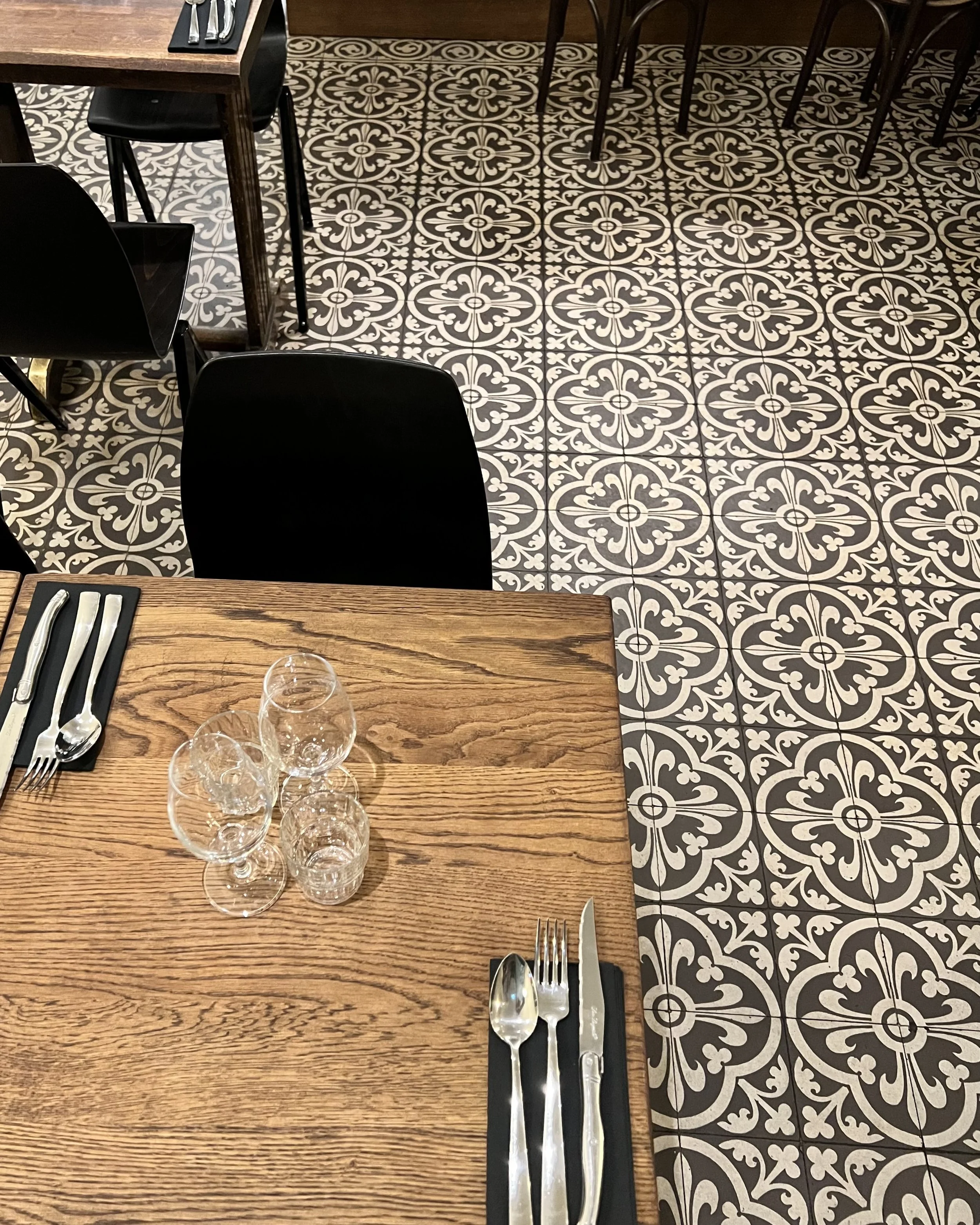
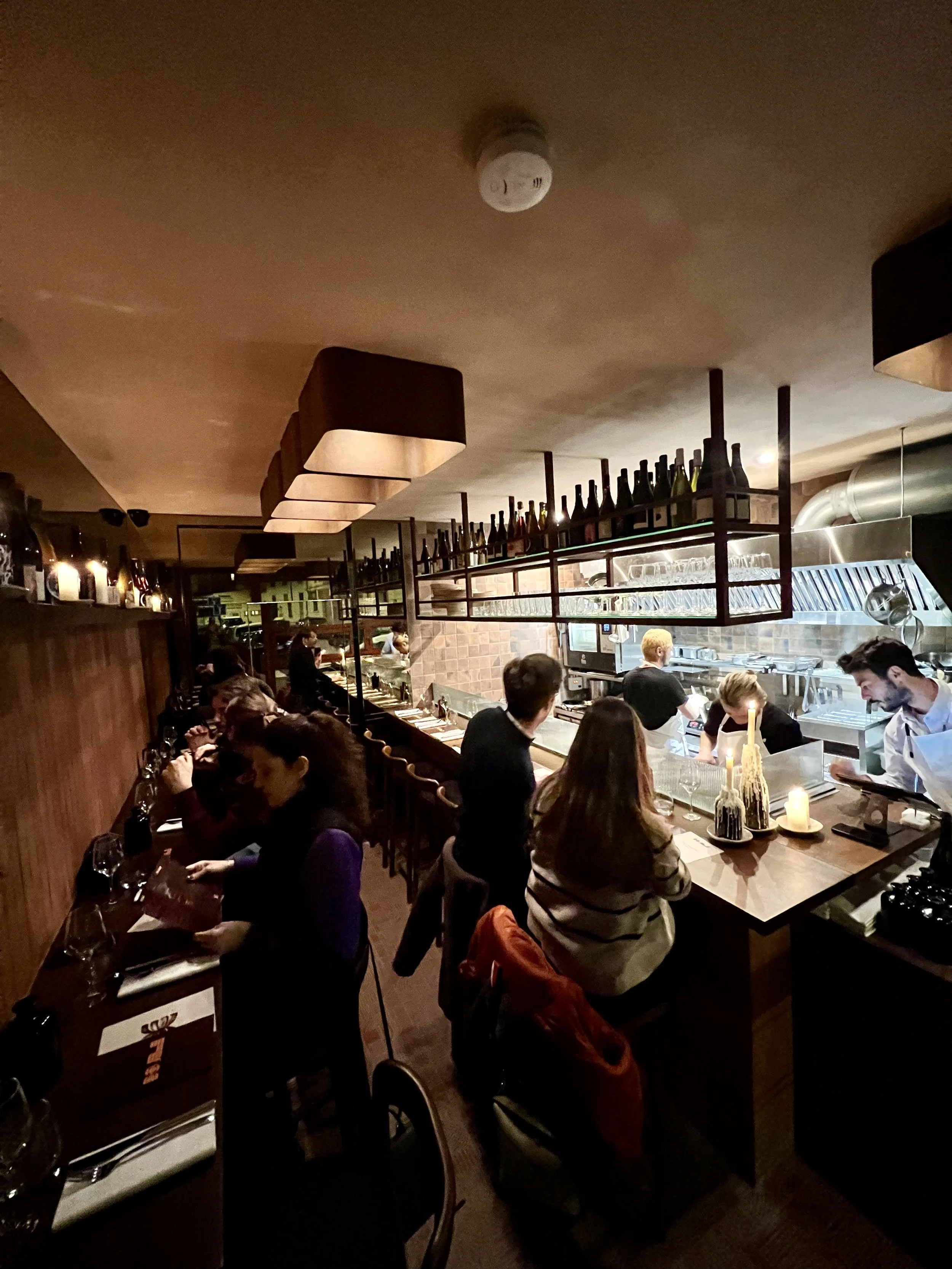
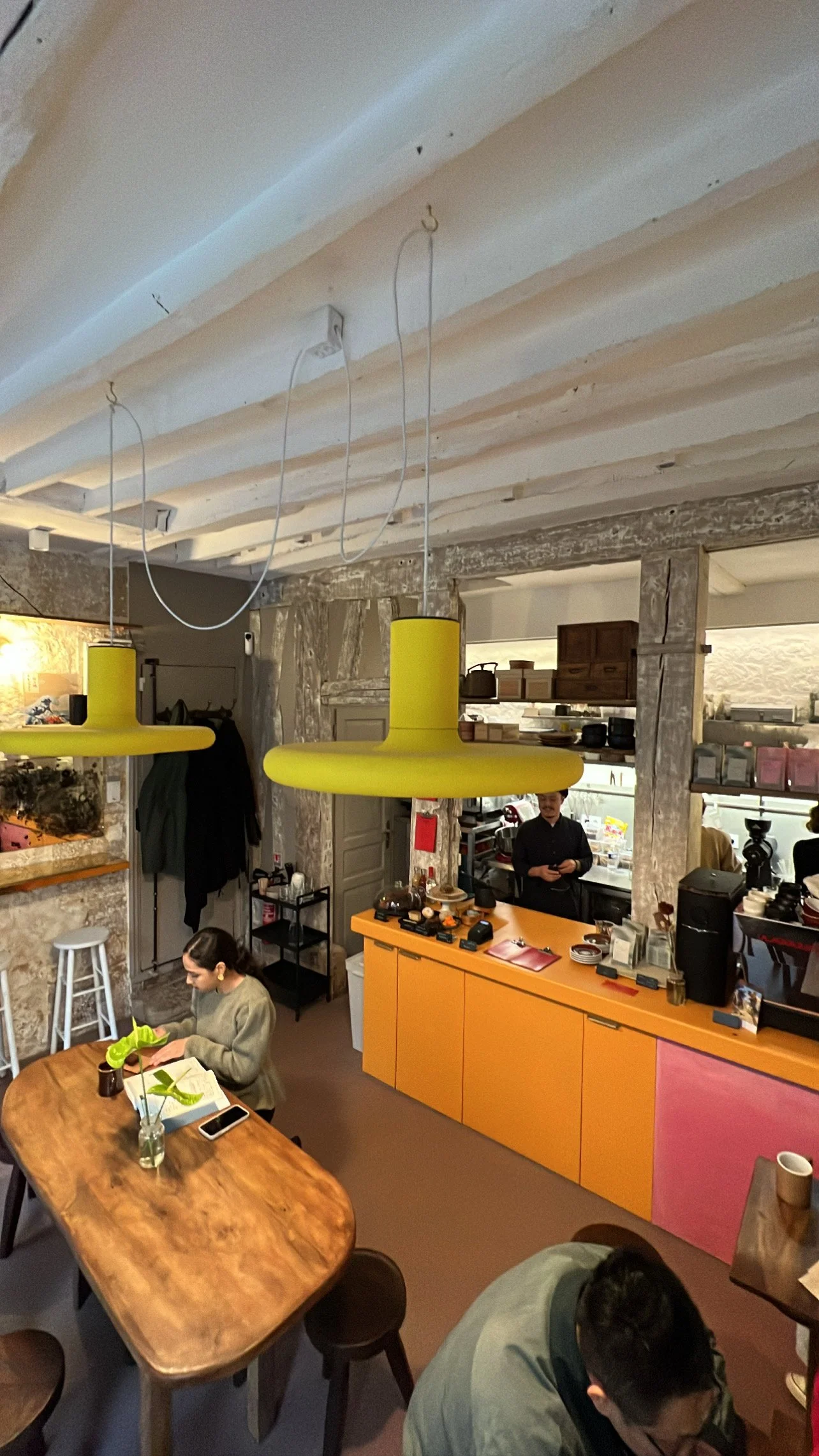
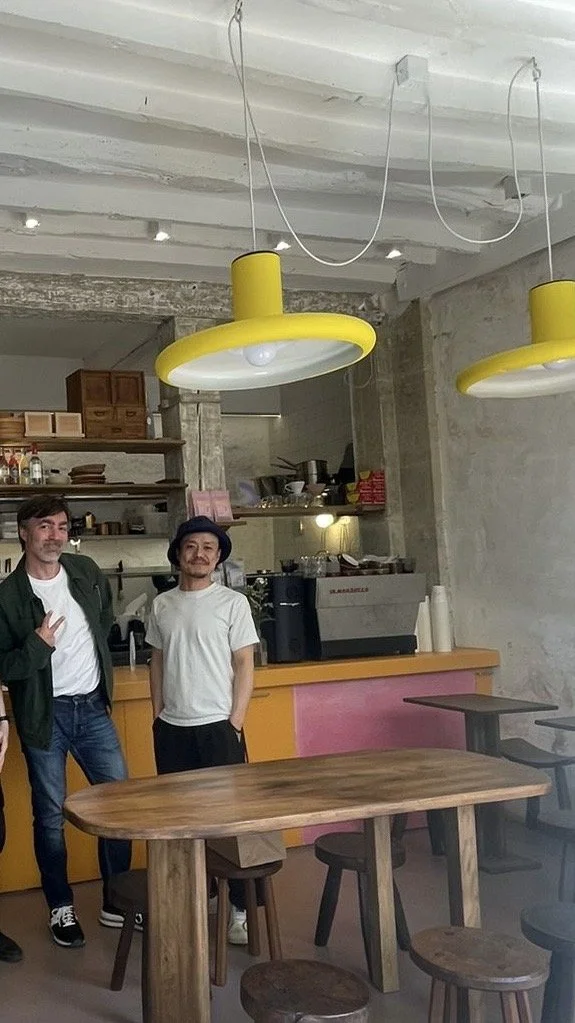
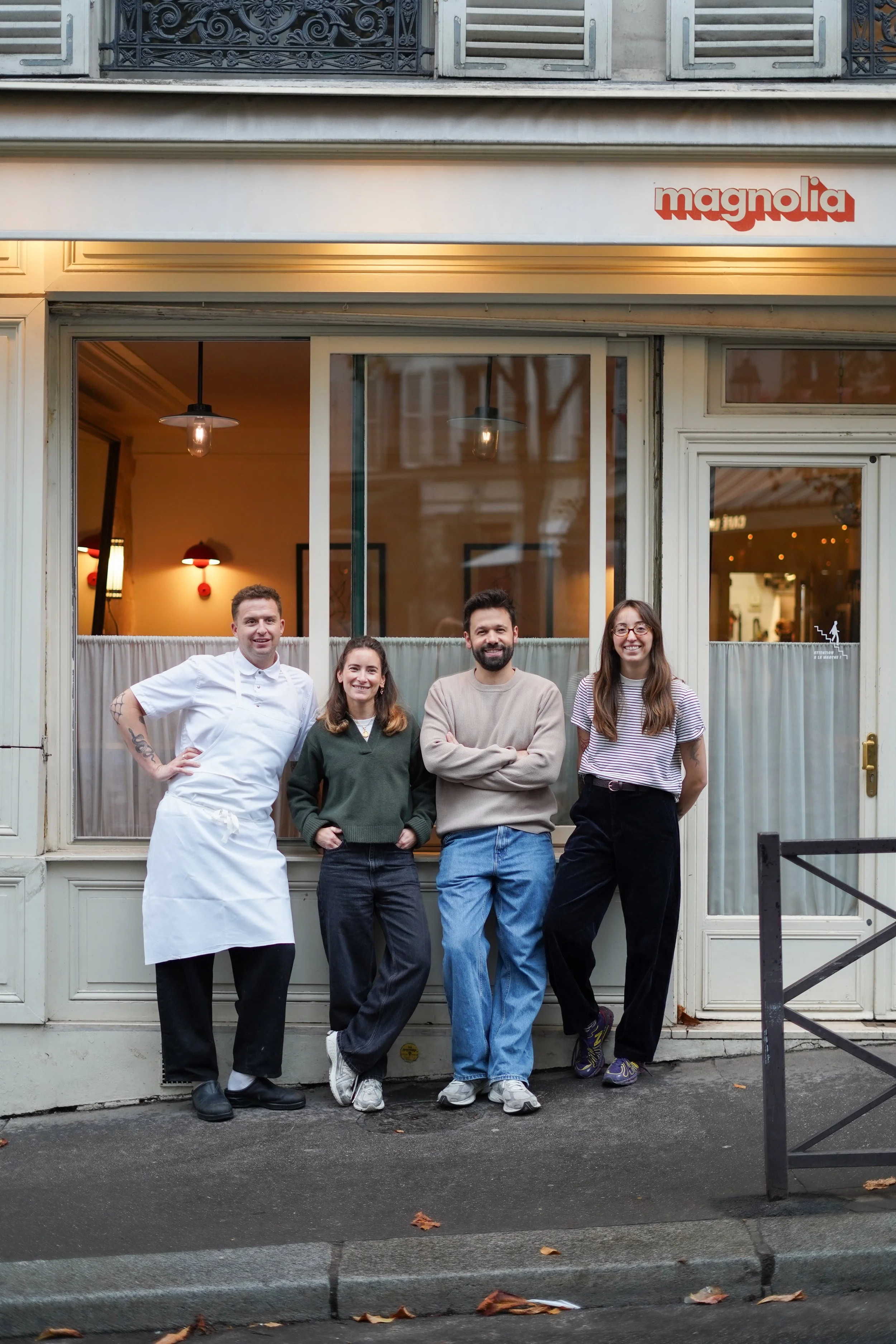
Magnolia (photo by Amber)

It’s becoming increasingly difficult to find restaurants where the staff don’t change all the time, where the chef is always at the helm, and where you walk in and immediately feel that warmth you’d normally associate with someone’s home or family.

Thanks to their scale, experience and expertise across different areas, large investors and restaurant groups are better equipped to adapt to economic difficulties and stay afloat. Small, independent restaurants, on the other hand, have a much harder time of it, particularly in big cities.

So when you come across independent restaurants like these, look after them. Give them a hug. I do. And Magnolia is one of the best examples of this for me.

Of course, once you get outside the big cities, it’s much easier to come across family-run restaurants and places that give you that kind of warmth. But a restaurant doesn’t have to be run by an actual family to make you feel at home. That’s precisely what makes Magnolia special to me. They may not be one family, but the atmosphere they’ve created together has that familiar warmth you find in a good family-run restaurant.

And there’s something else that makes Magnolia different: unlike a traditional family business, there are no grandparents or parents running the place. Instead, there are four young people running the show together.

Yes, perhaps Maxime Vaudin is the bravest of them all. After all, he was the one who dreamed up Magnolia and made it happen. But I’d say the other three, who joined him on this adventure, are every bit as brave.

They’re also incredibly kind. They were all happy to answer the many questions I had for each of them, without ever losing patience. Not one of them even said, “Okan, isn't that a bit too many questions?”

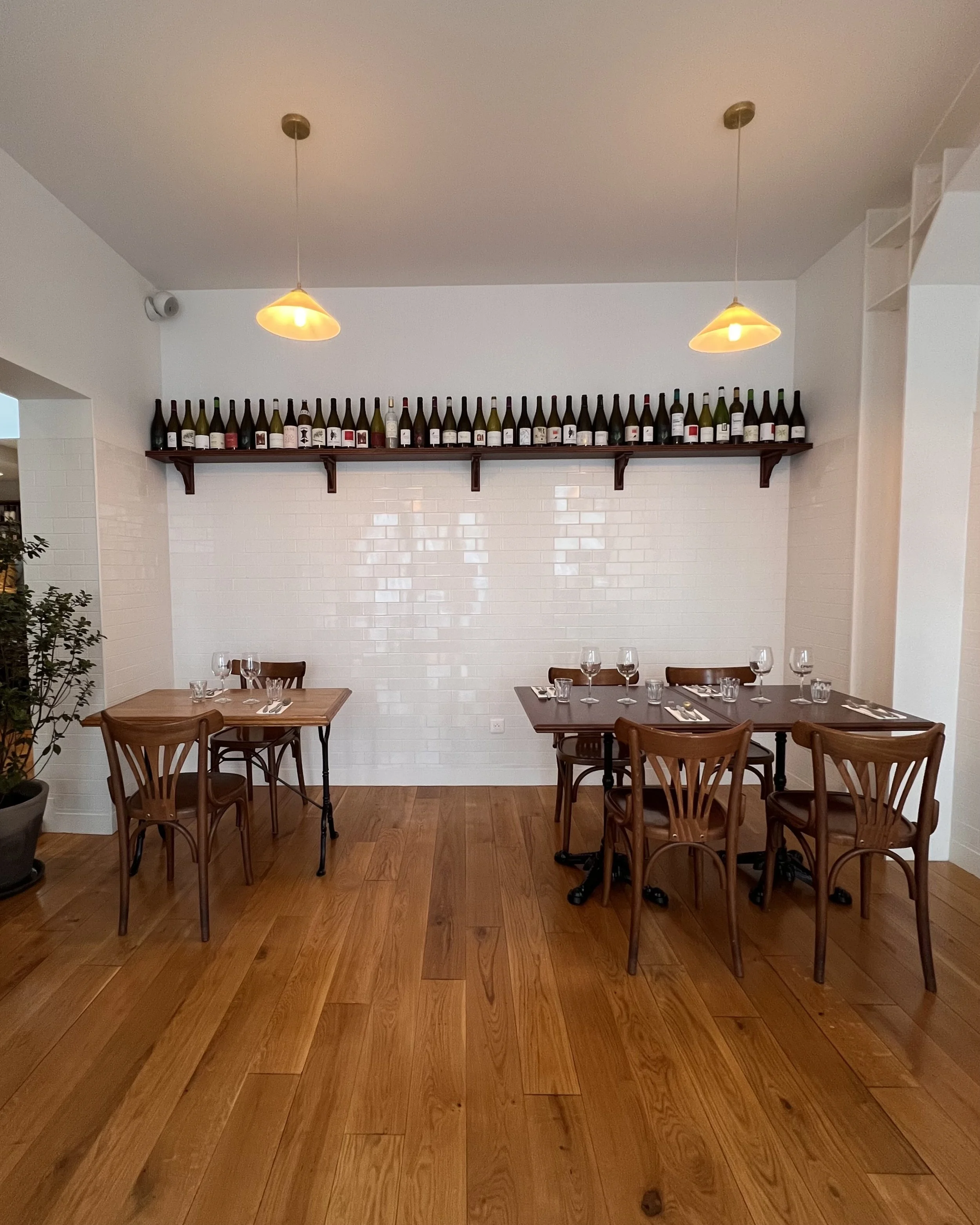
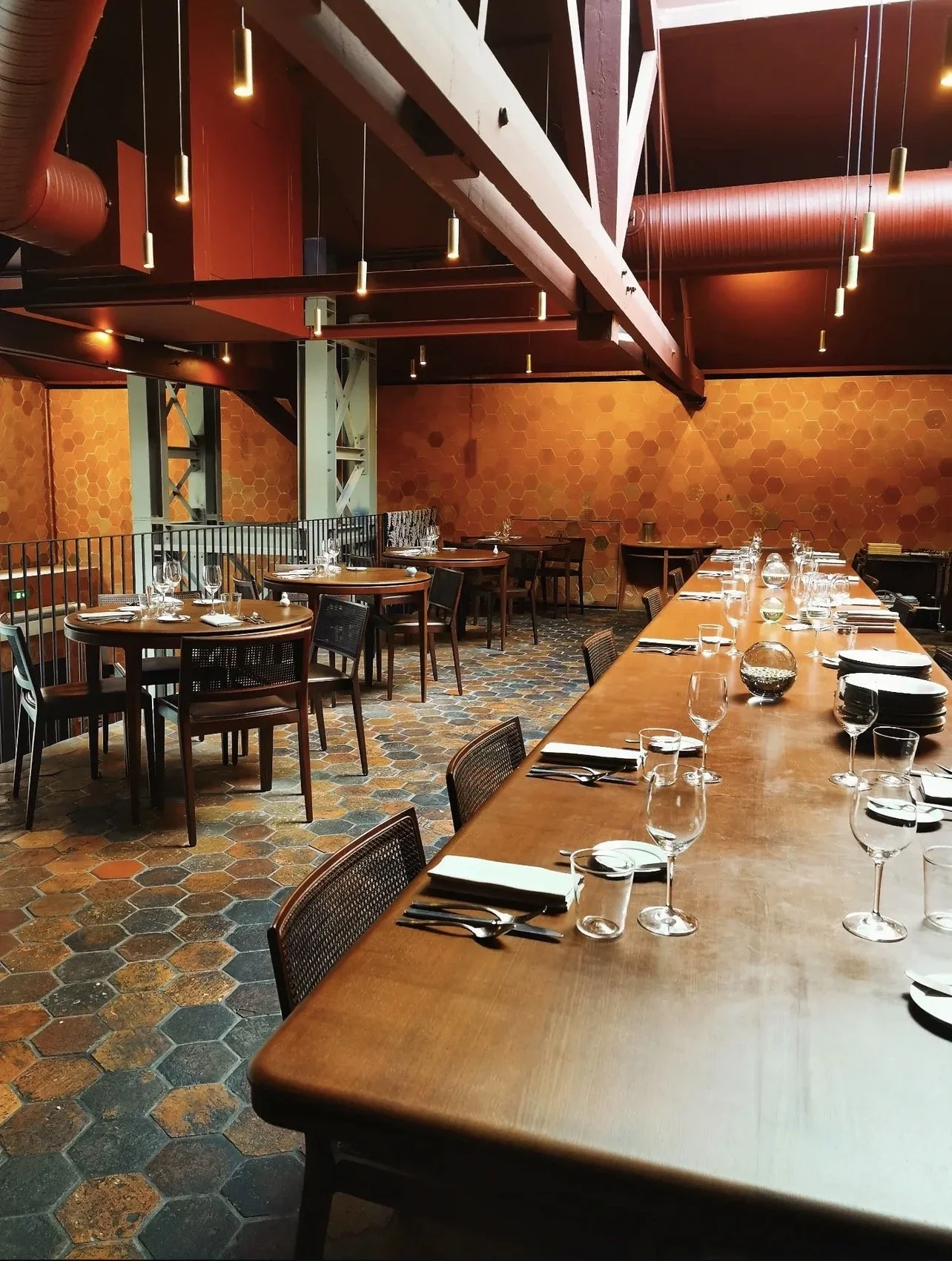
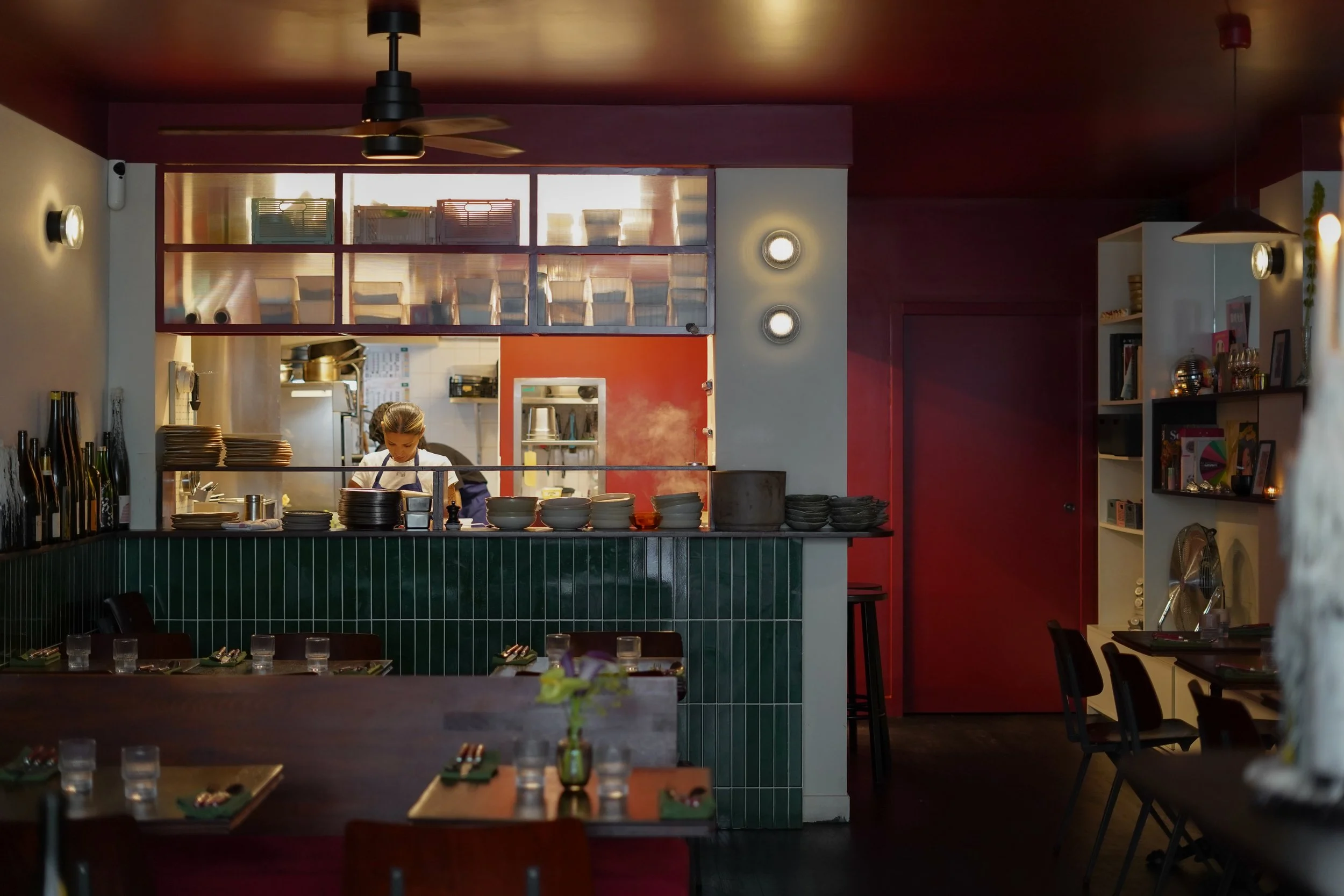
I think that their kindness and elegance are reflected in the restaurant itself.
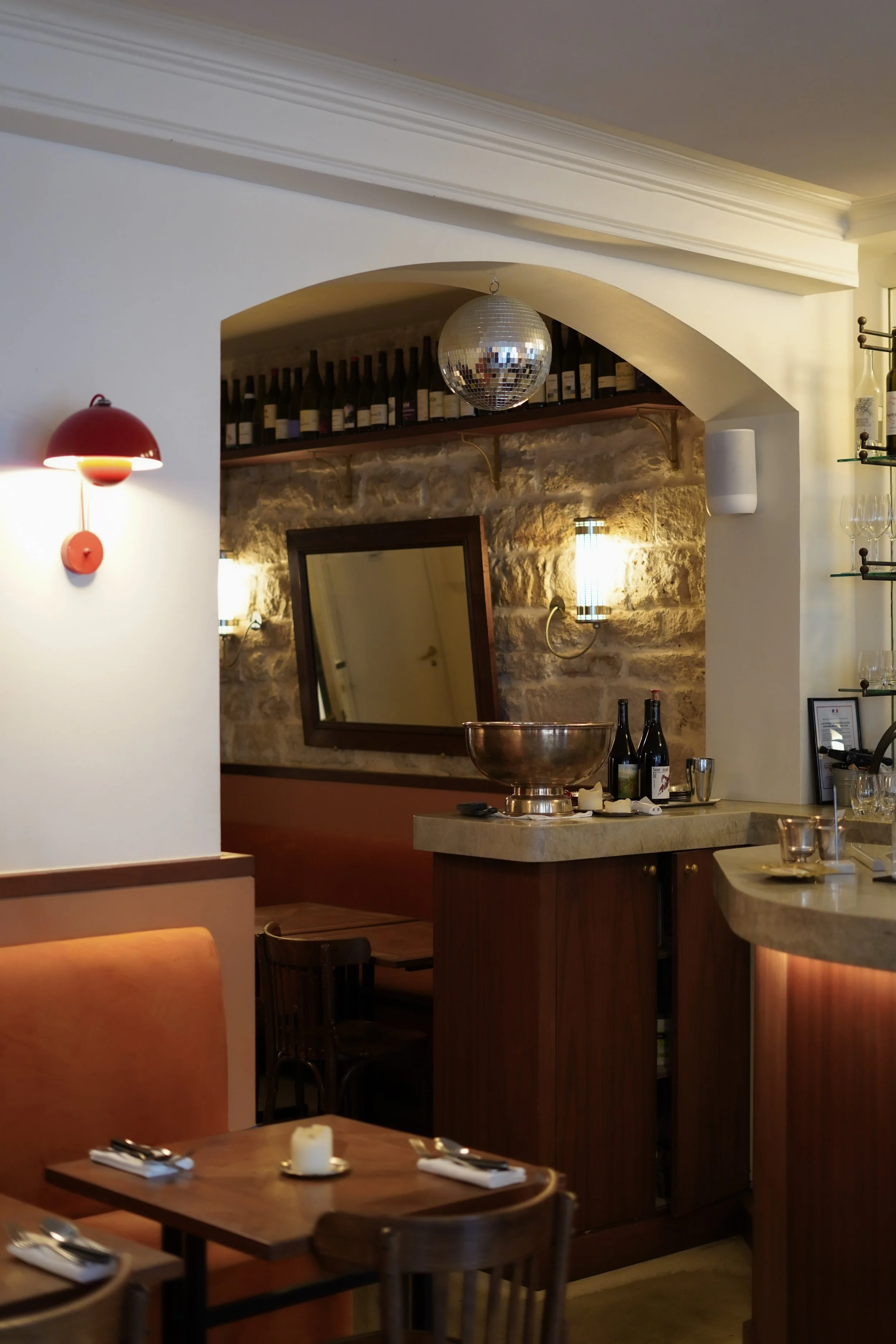
(photo by Amber)

(photo by Amber)

Let me tell you a little about these four. Let’s start with Maxime.
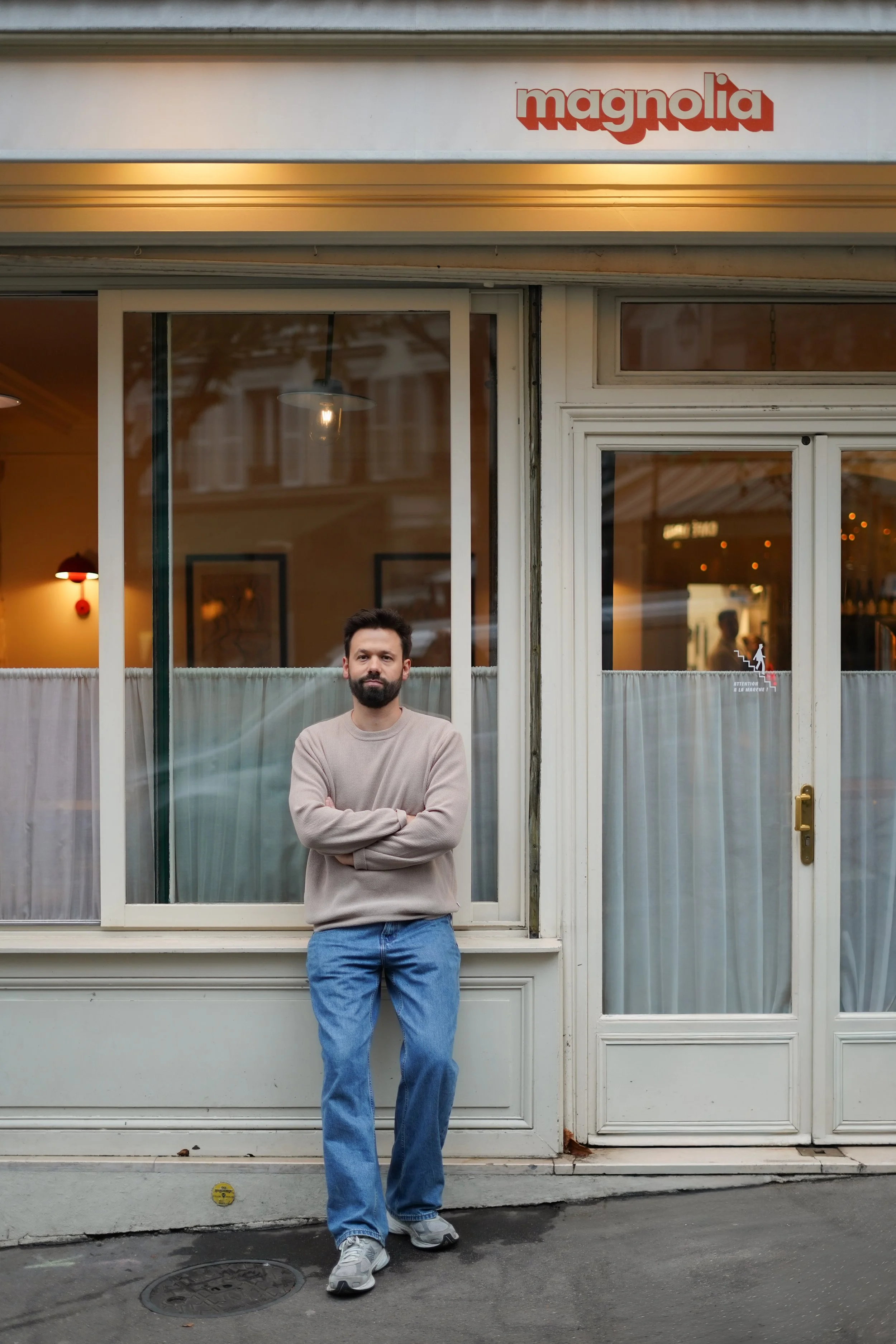
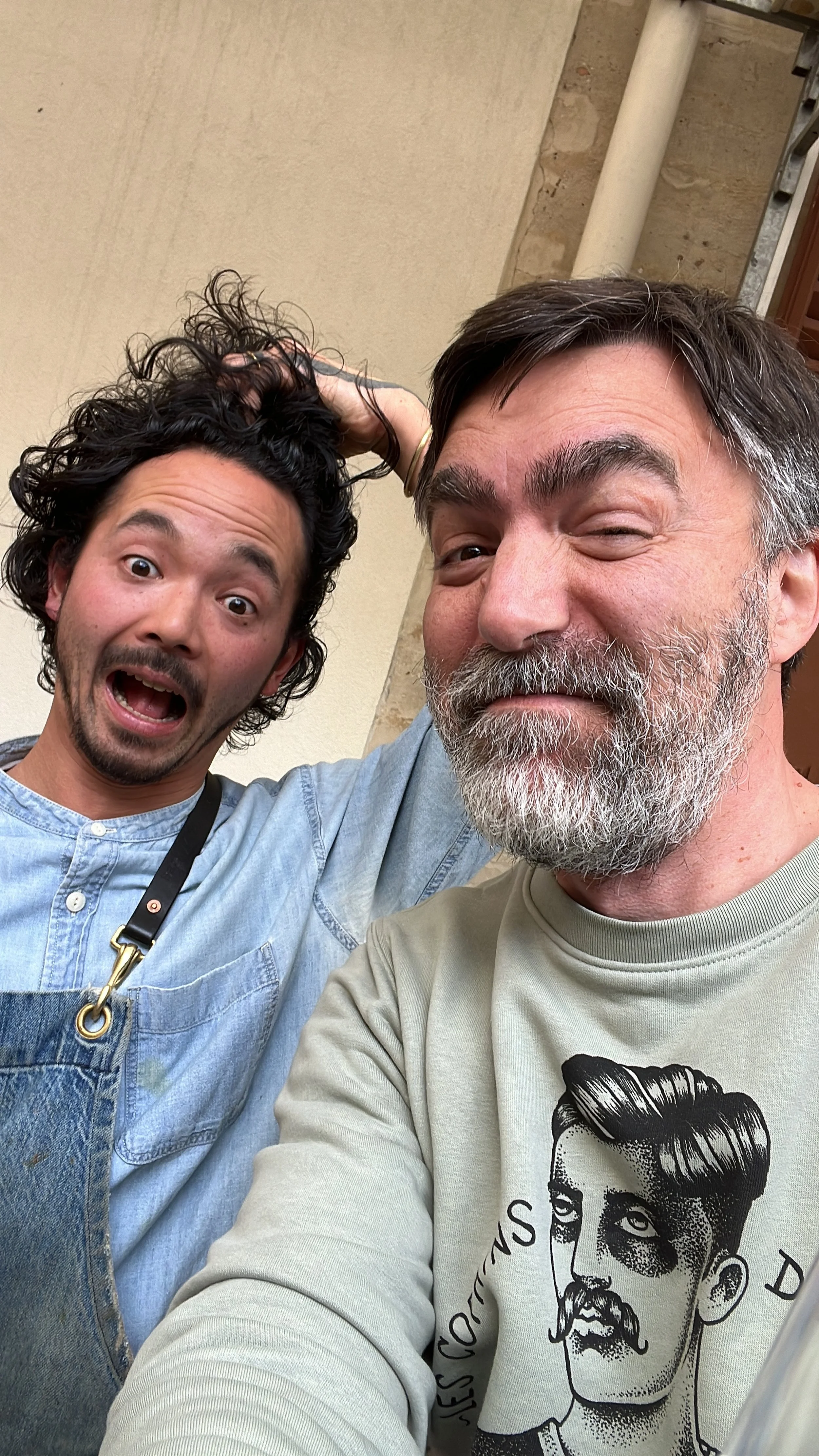
Maxime (photo by Amber)

As a child, he used to watch Les Escapades de Petitrenaud before Sunday family lunches, and loved spending time around those big family tables. Despite all that, though, he never really imagined himself running a restaurant, at least not until university. After graduating, he started working in sales for major American tech companies. He landed a pretty good opportunity early in his career, but he couldn't shake the feeling that something was missing.

Eventually, he made his move!

Maxime — In 2022, while continuing to work, I set myself the goal of getting my CAP Cuisine diploma. From the very first classes, I realised this was the path I wanted to take, and decided to open my own restaurant. I then started doing extra shifts, both front of house and in the kitchen, at restaurants run by friends of mine. Every moment I spent working in restaurants made me even more certain that I’d made the right decision.

I finally got my diploma in June 2023 and left my job in September that same year. What makes me happiest today is being able to combine two roles: being both a business owner and a restaurateur. Compared with my previous career, it’s certainly a less secure and less lucrative path, but it’s much more fulfilling. There hasn’t been a single day when I’ve regretted my decision.

When they decided to open Magnolia, they initially teamed up with British chef Jack Bosco, whose cooking I knew, liked and had been following. Although the feedback was good, Jack’s style of cooking didn't quite match the concept Maxime and Camilla had in mind for Magnolia.

Around that time, Jack was offered the opportunity to open another restaurant. The separation gave Maxime and Camilla a chance to rethink exactly what kind of restaurant they wanted Magnolia to be. Then they met American chef Noah Howell, and the foundations of the Magnolia we know today were laid.

Of course, we need to get to know Noah too. Be patient, I’ll introduce everyone! 😉

Maxime — Noah’s experience at The Ledbury, his creativity and his energy helped us achieve the elegance and refinement we were looking for in the kitchen. His approach was exactly in line with the kind of restaurant we wanted Magnolia to be. Noah also understands how important it is to keep a close eye on costs, which is a great help to me. In fact, the whole team is not only talented in their own fields, but also understands the importance of running a financially healthy business.

(I asked Maxime a slightly provocative question: when they're trying to source the best ingredients, do he and Noah ever disagree over costs? And when they do, who usually wins? Apparently, I couldn't quite get the kitchen argument I was hoping for.)

Maxime says he hasn't regretted his career change for a single moment since opening Magnolia. Discovering a new ingredient, tasting a new wine or seeing a beautiful plate come out of the kitchen gives him an indescribable amount of pleasure. The restaurant’s first anniversary celebration was particularly emotional for him. He says he’ll never forget how happy he felt that day.

I also asked Maxime what he thinks about the future of Paris’s food scene.

Maxime — I think the restaurant world will become increasingly divided. On one side, there will be restaurants capable of serving very high volumes and remaining accessible to everyone. On the other, there will be fine-dining restaurants offering customers a complete experience, where the food, service, setting and attention to detail all come together as one.

(Oooh, Maxime! So you're on the side against two-Michelin-starred Bruno Verjus, are you? Is that it? Let the controversy begin! Ahahaha. Chef Verjus did say that the era of fine dining was over, after all.)

For everyone caught somewhere in between, things are becoming increasingly difficult.

The wave of bankruptcies should be a wake-up call for public authorities, reminding them of the need to provide greater support for the traditional restaurant sector.

Today, it’s often the bistros and independent restaurants genuinely trying to do a good job that are struggling the most.

And when they disappear, we lose not only a part of our gastronomic culture, but also a part of neighbourhood life.

(100% agree.)

And for those wondering about Maxime’s favourite places to eat in Paris, let's not leave you hanging.

Maxime — For comfort food, I really love Lohan in Belleville, especially their phở. When it comes to French cuisine, I absolutely love Amarante.

For a proper neighbourhood restaurant, I’m a big fan of Dent de Loup, particularly for its lovely cuts of meat to share. And for fine dining, I really like 19 Saint Roch.

(Chef Pierre Touitou’s restaurant is one of my favourites too.)

Is there always a woman next to every successful man? (How’s that for another question designed to stir up a little controversy?) 😁

Well, in our story, there is.

Ladies and gentlemen, meet Camilla!
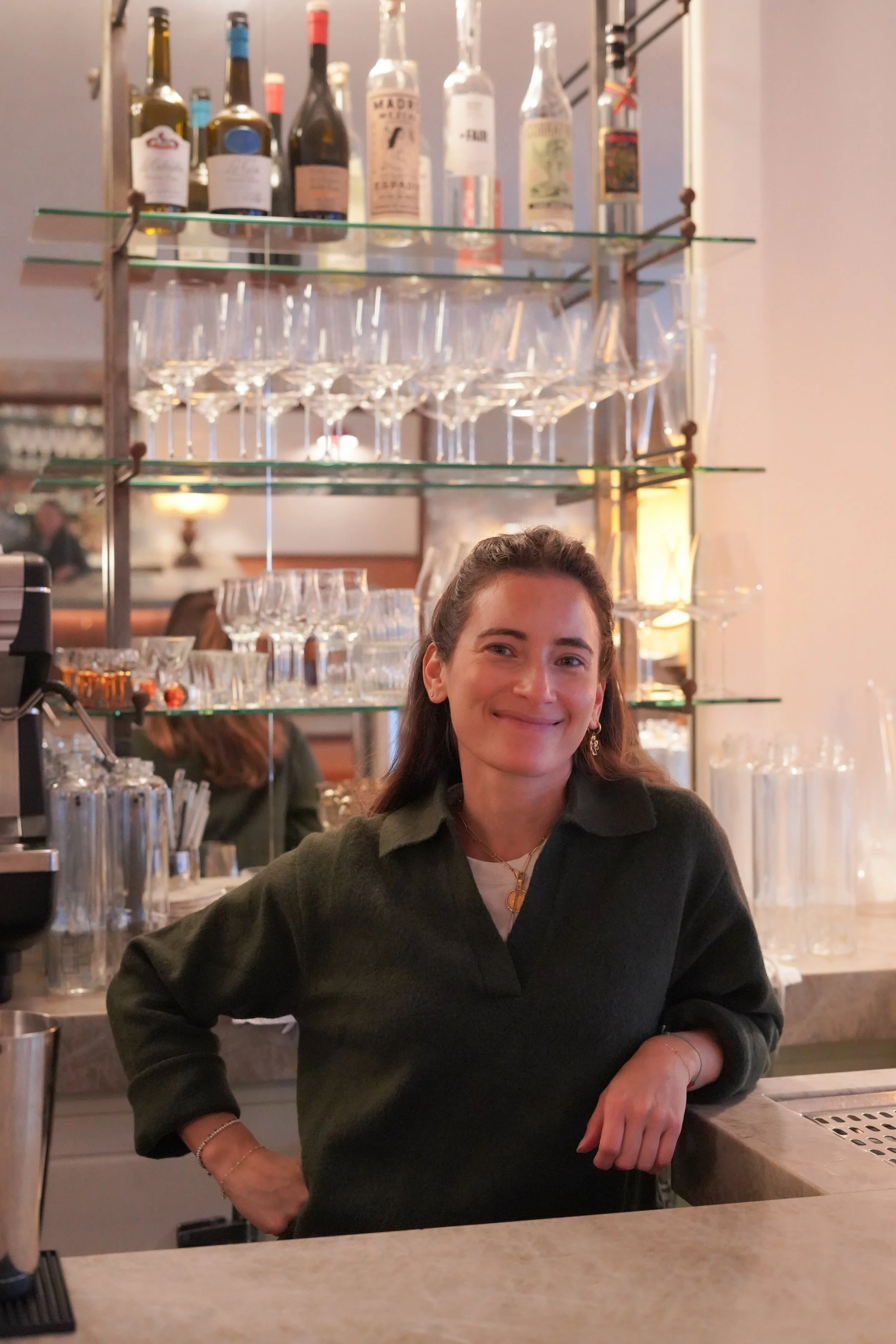
Camilla (photo by Amber)

She’s the one I’ve probably bothered the most. Whenever I had a question, needed to get hold of Maxime or tried to arrange a date for the photo shoot, she was the person I turned to. When it comes to finding quick solutions, she’s simply unbeatable.

So how did she get into all this? In Australia! And with some pretty demanding working hours, too.

She started out at Fratelli Paradiso in Sydney, one of the most respected names on the city's food scene, a real institution. Three years there was enough for her. In fact, when she returned to Paris, she was even planning to go into fashion. But how could she stay away while Maxime was trying to create such a lovely place? She jumped right into the adventure.

Camilla says she loves the adrenaline of service, the precision it requires and the repetition of all those movements. But one of the best things about the job is that every service is a different adventure. One of the moments that touched her most was when a few customers left the restaurant with tears in their eyes, thanking the team. She feels proud to have been part of a story that those guests will remember as one of the highlights of their trip to Paris. She says moments like that are an enormous reward.

Brace yourselves. Here comes the question.

Service cultures can be very different from one country to another. Have you ever had customers come to Magnolia with very different expectations of service and find themselves genuinely surprised by your approach? And when that happens, how do you stay calm and handle the situation?

Camilla — Yes, it happens. We see it particularly with customers coming from cultures where service is much more intense and showy, or, on the contrary, much more formal.

At Magnolia, we try to offer a service that is attentive but natural, warm but not intrusive. The most important thing is to understand what the customer expects and find the right balance. You have to know how to adapt while still being yourself.

I think that answer sums up Magnolia’s character rather nicely. It’s a grounded, solid and cool place.

For Camilla, hospitality means welcoming every customer as if they were coming into your own home, and taking care of the food, the service and every little detail to make sure they have the best possible time. The real art of it, she says, is anticipating what customers might need before they even realise it themselves, and making sure nothing is missing.

And now, let's talk about whether they manage to leave work at work. After all, Maxime and Camilla go home to the same place once service is over.

When things start getting a little out of control during service and Maxime has to step in, does that become a source of stress for you? And do you bring work stress home with you? 😁

Camilla — We’ve been running the restaurant for almost two years now, so entrepreneurship is still quite new to us. We’re living this adventure 10,000%, so yes, work often comes home with us… and sometimes the stress comes along too!

But as time goes by, we're learning to manage those moments better. You could say we're learning as we go, and that's actually part of what makes this adventure so exciting.

Maxime and I also complement each other quite well. He generally looks at things from a calmer, more business-oriented perspective, while I tend to focus a little more on service and the energy on the floor.

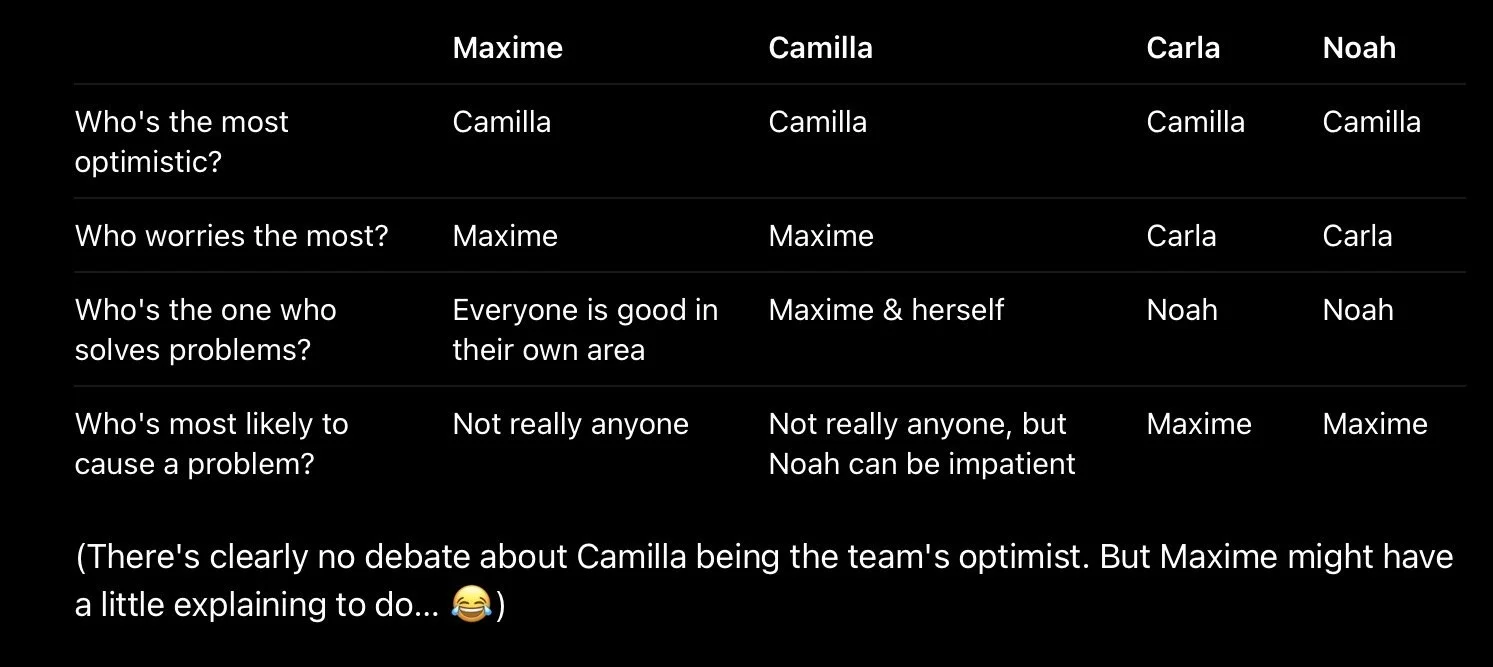
Despite all my attempts to stir things up, I couldn't get any controversial answers out of Maxime and Camilla. As you can see, they're young, but mature. Don't give up hope, though. Perhaps Carla and Noah will give me something to work with. I haven't even introduced them yet! And there's also a little Q&A table at the end, with the same questions put to all four of them. So stay tuned.

But first, let's have a look at Camilla's favourite places to eat in Paris before moving on to Carla.

Camilla — I absolutely loved Chef Nao's 228L pop-up. They're opening a restaurant in the 9th arrondissement soon, and I can't wait to check it out. The flavour combinations were bold, the plates looked beautiful, and everything was just right.

I also love Dent de Loup and Yory for lunch ❤️, Petrelle for a candlelit dinner (one of my favourites too), and Le Verre Volé for Sunday lunch.

Now, let's move on to one of the essentials of any good restaurant: a good wine expert.

Meet Carla!
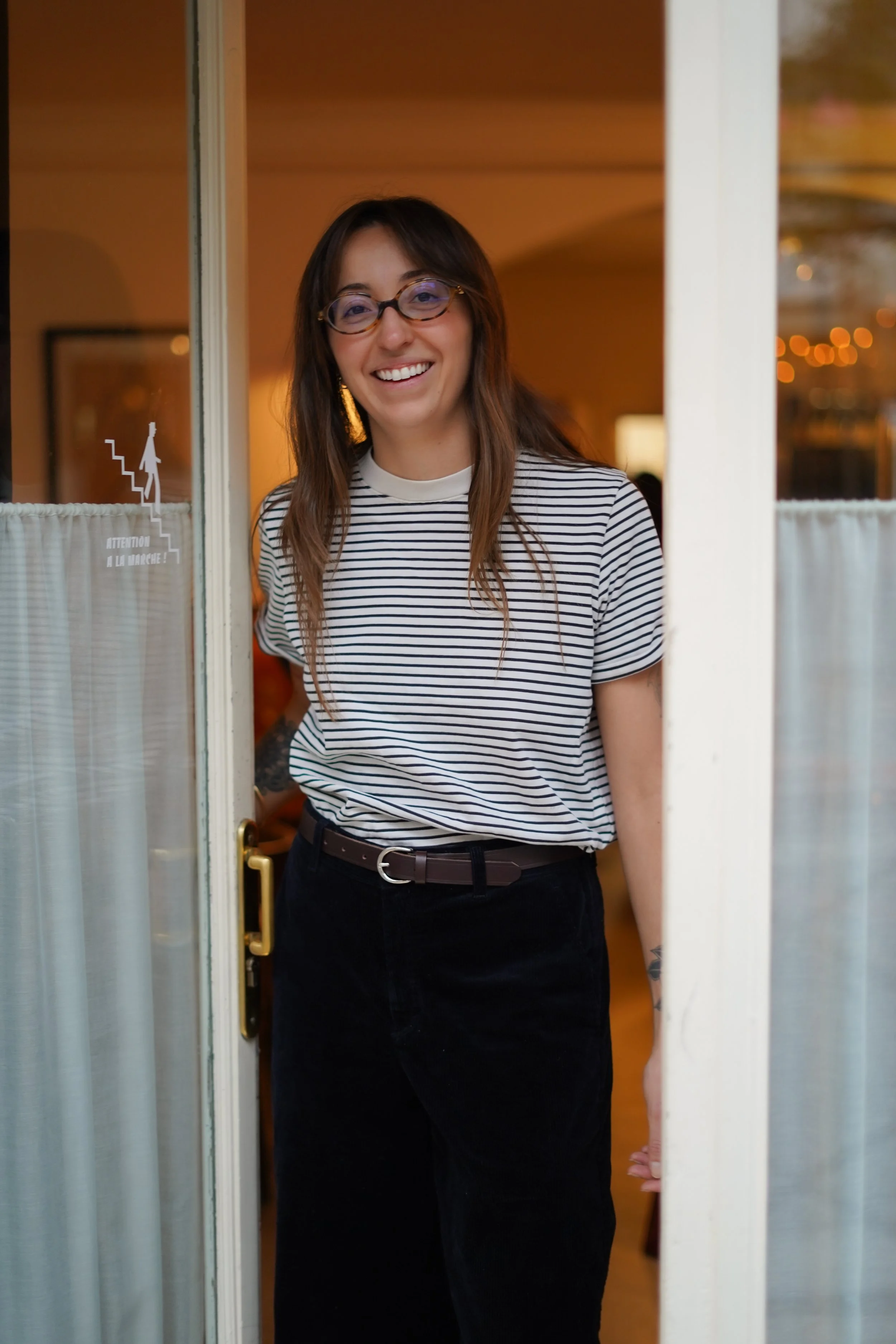
Carla (photo by Amber)

The fastest of the group. Well, the fastest at answering my questions, anyway. In fact, if I include all the interviews I've done and the writers I've featured in my guest posts, she might just be the fastest person I've ever worked with!

Carla is one of those people who used the Covid period to invest in herself and learn new things. That's when she first became interested in wine. And then her curiosity took over. She couldn't get enough: watching videos and documentaries, reading books, constantly learning. Towards the end of lockdown, at just 19, she signed up for WSET Level 1. She then went on to study for a degree in wine and spirits, hoping to turn her passion into a profession.

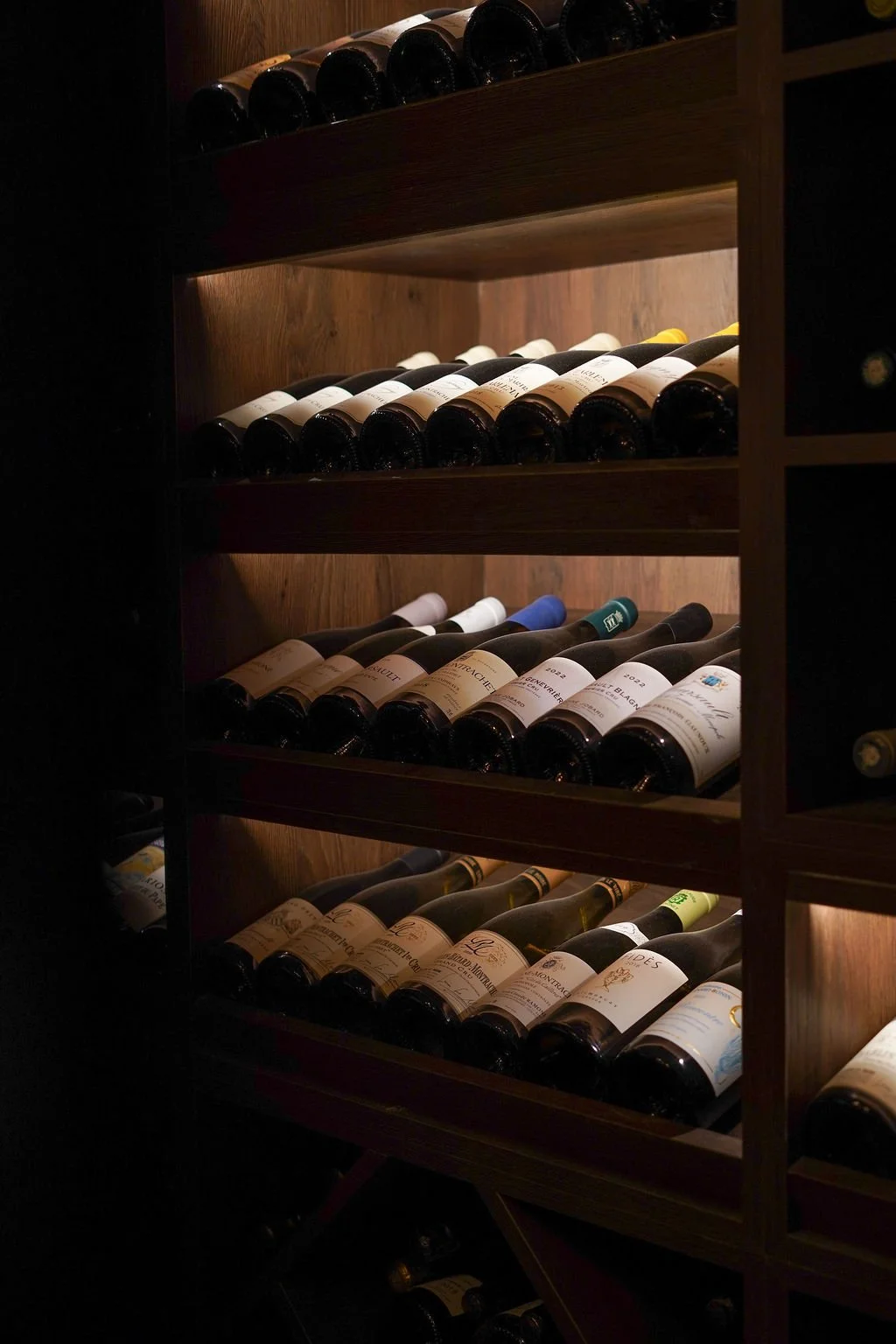
She's still at the beginning of her journey, but according to Maxime, Magnolia's ever-growing wine cellar is developing right alongside Carla's appetite for learning.

I asked Carla about the moment when her interest in wine really took a turn. You know, those wines that suddenly make you see things differently. Had she ever experienced a moment like that?

Carla — There was an evening I spent with some friends from wine school. We drank Adrien Renoir’s Le Terroir Grand Cru Verzy and a macération wine by Gérôme Bretaudeau. I was really struck by the purity and complexity of those wines. That was when I began to understand much better the difference between wines made using traditional methods and those produced with as little intervention as possible.

Carla enjoys exploring different styles. She's particularly fond of well-made wines with minimal intervention during the production process. For everyday drinking, her favourites are white wines with a saline character, a rounded texture and a long finish. Jura, southwest France, Alsace, Spain, Austria… It all depends on her mood and who she's with. She also loves drinking wine with food, which gives her the opportunity to finish a meal with something like a late-harvest wine (vendanges tardives) or an oxidative wine.

When it comes to her favourite French wine regions, she finds it difficult to choose. Jura, Alsace, Roussillon, the Loire and Savoie are the first that come to mind, but she says it's really hard to pick just a few.

Outside France, she's been particularly interested in Spanish wines lately. Whites, reds, macération, sweet, oxidative… Wines from all over Spain never seem to stop surprising her. She also loves Greek wines.

Naturally, I had to ask her about Turkish wines too! 😁

Carla — “I've tasted Turkish wines before at La Dive, and they were really good! If you bring me some more, I'd be delighted to try them.”

To all my producer friends who follow me: my DMs are open! 😁🍷

I also asked Carla about her experience working in wine production.

Carla — I spent a year taking part in a work-study programme at a small winery in the Faugères region. Being there and getting a close look at the life of a wine producer was incredibly interesting. Learning about every stage of production, seeing the unexpected situations that come up in everyday work and understanding the challenges they bring was a great learning experience.

And dear readers, the moment you've been waiting for is finally here! Carla has at last given me an answer that might actually cause a little controversy! 😂

If a winemaker you've admired for a long time offered you the chance to work together, would you consider leaving the Magnolia family for that opportunity?

(I can't just ask easy questions all the time, can I? 🤓)

Carla — Ahhh… I think I would! The opportunity to see something different and dedicate myself 100% to wine for a while is something I could really enjoy.

If the other three members of the team are reading this answer for the first time, well, that's what I call investigative journalism… Sorry, I mean writing! 😂

I also asked Carla about the relationship between Paris and wine.

What role do you think Paris plays in the development of wine culture? And how has being part of the city's wine scene influenced your own approach to wine?

Carla — We're lucky to be able to attend so many tastings in Paris and to be relatively close to a great number of wine regions. Thanks to wine fairs and professional gatherings, we often get the chance to taste different wines and talk to the producers themselves.

This also encourages people to discover new things. Paris is a very open-minded city when it comes to wine, which gives us more freedom with the restaurant's wine list. We can include different and exciting options, even among the wines we serve by the glass.

Lately, when I go out to restaurants in Paris, I find myself naturally gravitating towards white macération wines, or skin-contact wines. And I'm rather happy about that.

What's your take on this style of wine? Do you think it's a trend, or a natural evolution of wine culture? What's happening in Paris's wine scene at the moment?

Carla — I think macération wines are fantastic. They're particularly good options in restaurants because they offer so many possibilities when it comes to pairing them with food.

I don't think it's a trend. In Georgia, white grapes have traditionally been fermented with their skins, just like red wines. This method gives the wine an incredible character.

Personally, I don't think I drink enough of these wines, but I believe they definitely have their place in the wine world. As people start looking for lighter wines, macération wines can be a lovely alternative, even a good middle ground.

(Alice Freitag's book Skin Contact is a great read if you're interested in Georgian wines!)


After all that serious wine talk, I moved on to something a little more gossipy. I asked whether she and Noah bring work home with them. She said it's difficult not to, but they've somehow learned to find a balance.

I also tried to start another little controversy, but no luck again! Apparently, they rarely disagree when it comes to food and wine pairings. So who's more accommodating, Carla or Noah?

Anyway, let me introduce you to Noah first. Then we'll decide! 😉
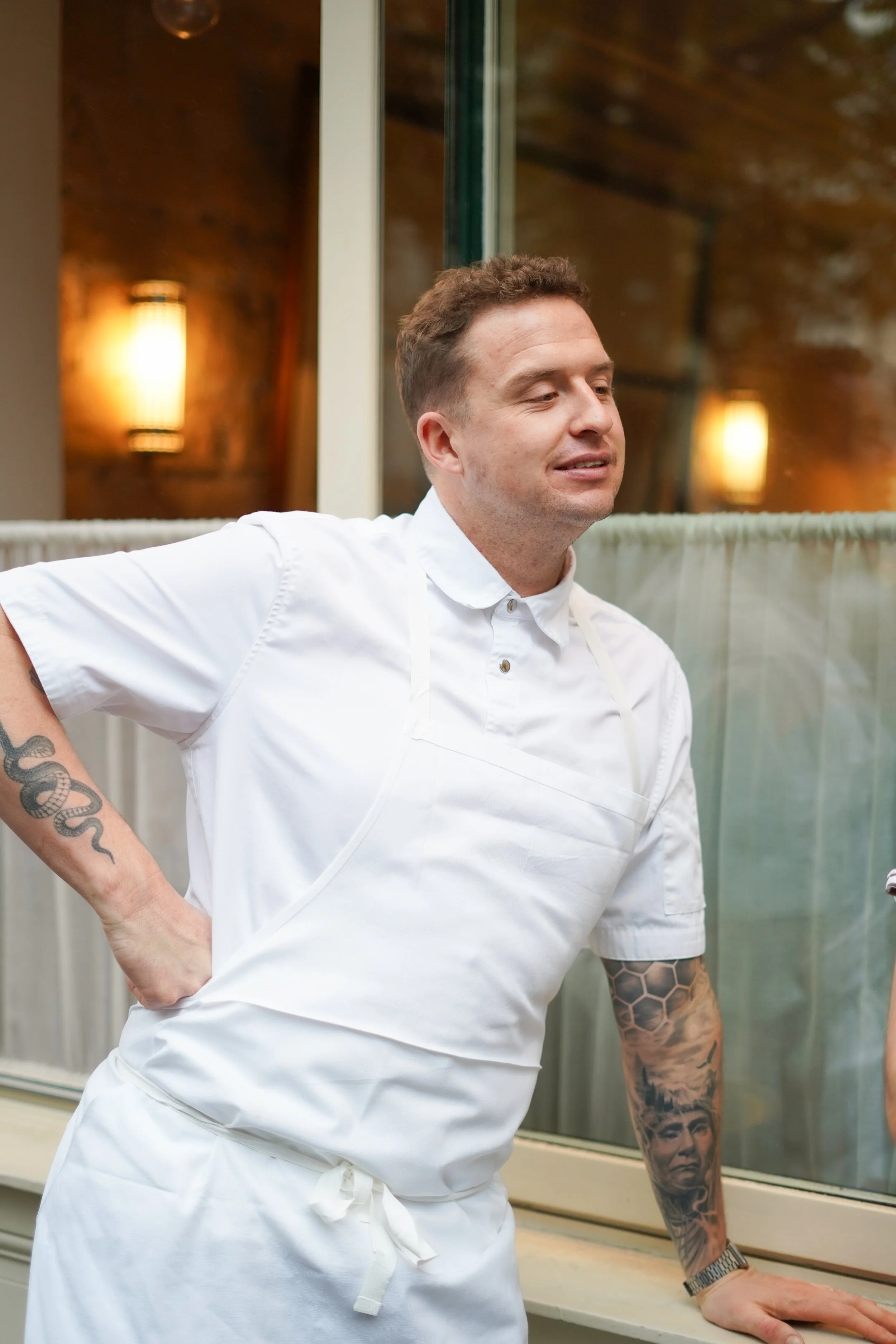
Noah (photo by Amber)

Noah is something of a key player in the team. He's the one who turns Maxime and Camilla's vision of Magnolia into actual dishes. And with Carla alongside him, the food and wine come together beautifully.

I mean, what more could a chef possibly do for a restaurant, ladies and gentlemen?!?! 😂

Noah's earliest memories of food go back to watching his mother cook. He remembers enjoying chopping things up and helping prepare dinner. He also remembers selling pizzas at his school's open day when he was just 11. He says he even enjoyed the rush of service. I guess some things are clear from an early age!

Noah was born in Kentucky, USA. And when I think of Kentucky, bourbon and barbecue naturally come to mind first. So I came up with a few either-or questions for him:

Kentucky beef or Charolais beef?

Bourbon or Breton whisky?

Burgoo or cassoulet?

And finally, Derby pie or tarte Tatin?

Noah — Kentucky beef, bourbon, cassoulet and tarte Tatin!

You can already see the balance in his cooking from these answers! Two each!

If I had to describe the balance on his plates in just two words, they would be generosity(the Kentucky side of him) and precision (the side shaped by his experience in London).

After the US, he moved to England, where he worked at Whatley Manor and then The Ledbury. These experiences taught him what a professional kitchen is really about, and the importance of discipline. In fact, by his own admission, that's when he really learned how to cook!

I was wondering what else I could ask Noah when my daughter Yasemin came up with a question of her own. I really liked it, so I'll let her take over.

Yasemin — When you're building a team that you trust enough to know a dish will be right even when your back is turned, what do you look for?

Noah — Finding the right people takes time. But if you give them a working environment where they feel safe and trusted, they'll do their best. I tend to trust people easily because I think I can quickly tell whether someone is capable of doing the job. Even so, I always do a trial before trying anything completely new.

I'd like to take this opportunity to thank my daughter Yasemin for that lovely question! ❤️

The first thing Noah struggled with when he arrived in Paris was, as you might have guessed, French.

French, French, French… Everyone's favourite little headache! 😂

So, what does he think has changed during his time in Paris?

Noah — I don't think Paris's restaurant scene has changed very much over the past three years. But I do see more chefs moving away from the harsh, raw plates associated with the St John style, and towards more refined food and technique in a more relaxed service environment. And it's exciting to see so many new restaurants opening all the time.

Of course, you've probably been wondering the same thing: why would an American chef, after working and developing his skills in London, choose not to return to a country where he speaks his native language? Why choose Paris instead of a city with such a strong food scene as New York or Chicago?

And now, ladies and gentlemen, we arrive at the most romantic moment of this whole article.

I'll let Noah give you the answer in his own words:


Noah: “I followed a beautiful girl.” ❤️
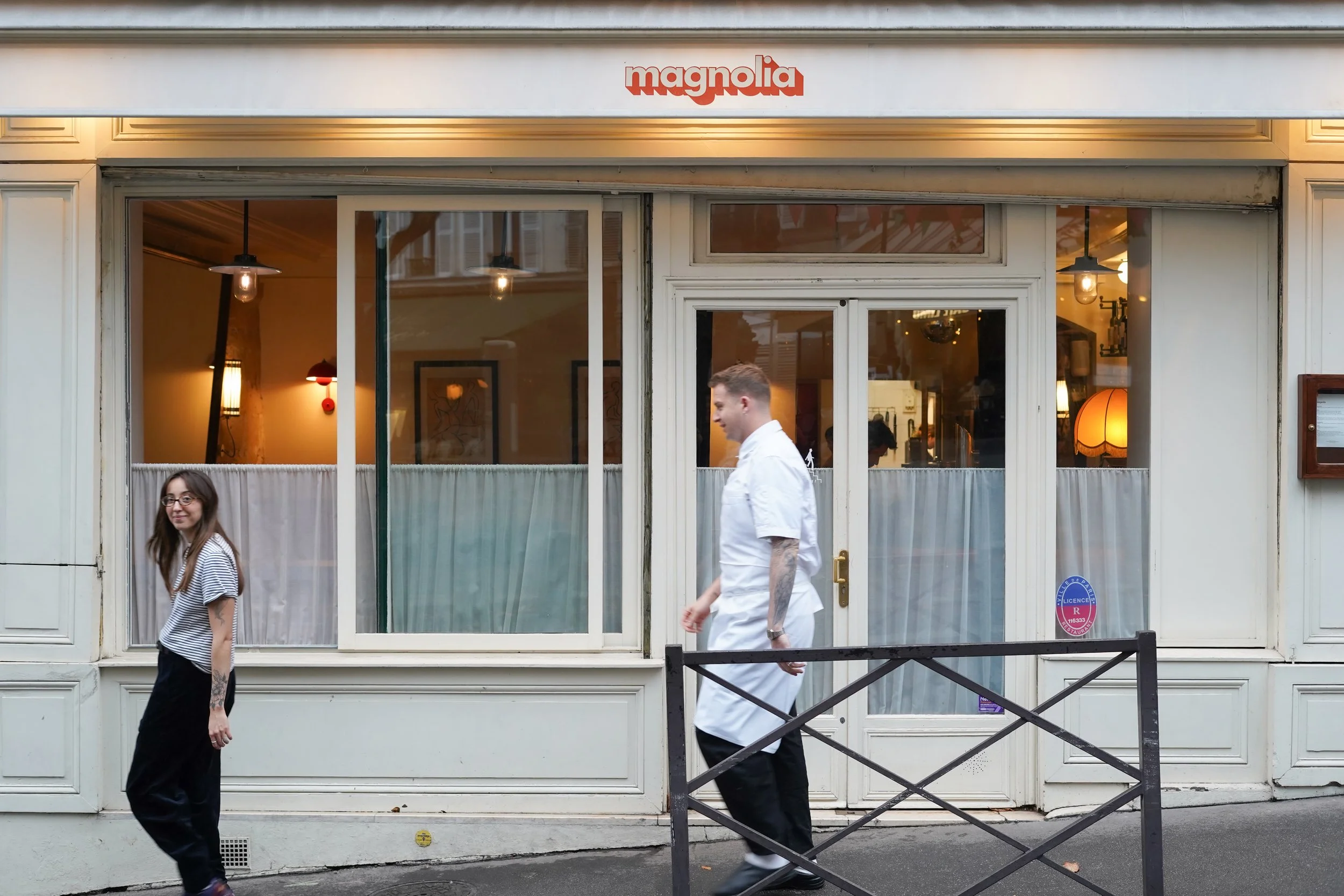
Noah: I followed a beautiful girl. (photo by Amber)

I should probably have ended the article right there.

But I also have a little Q&A table for you. I couldn't share it before introducing the whole team, so here it is. Let's see how well they really know each other!
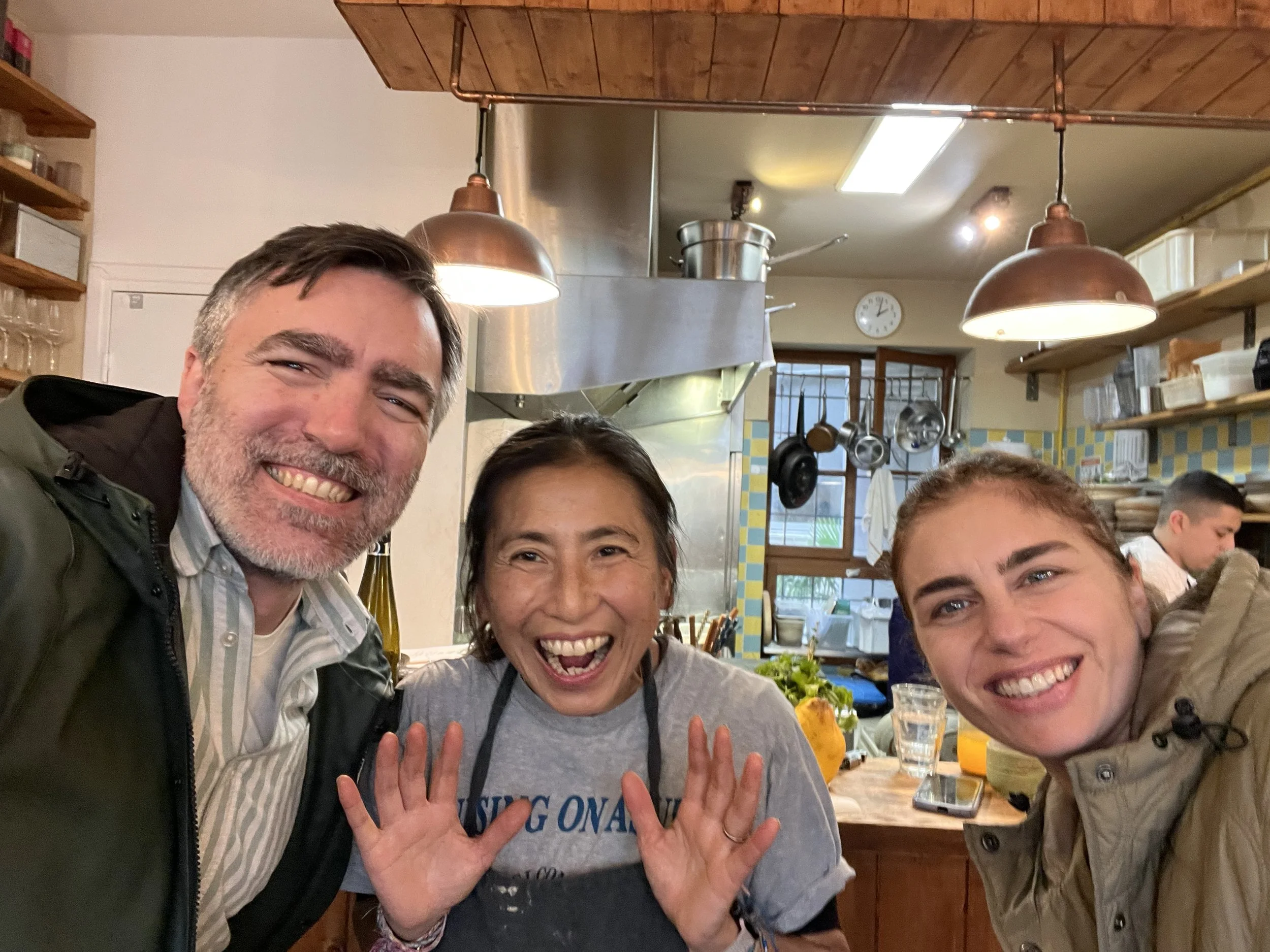
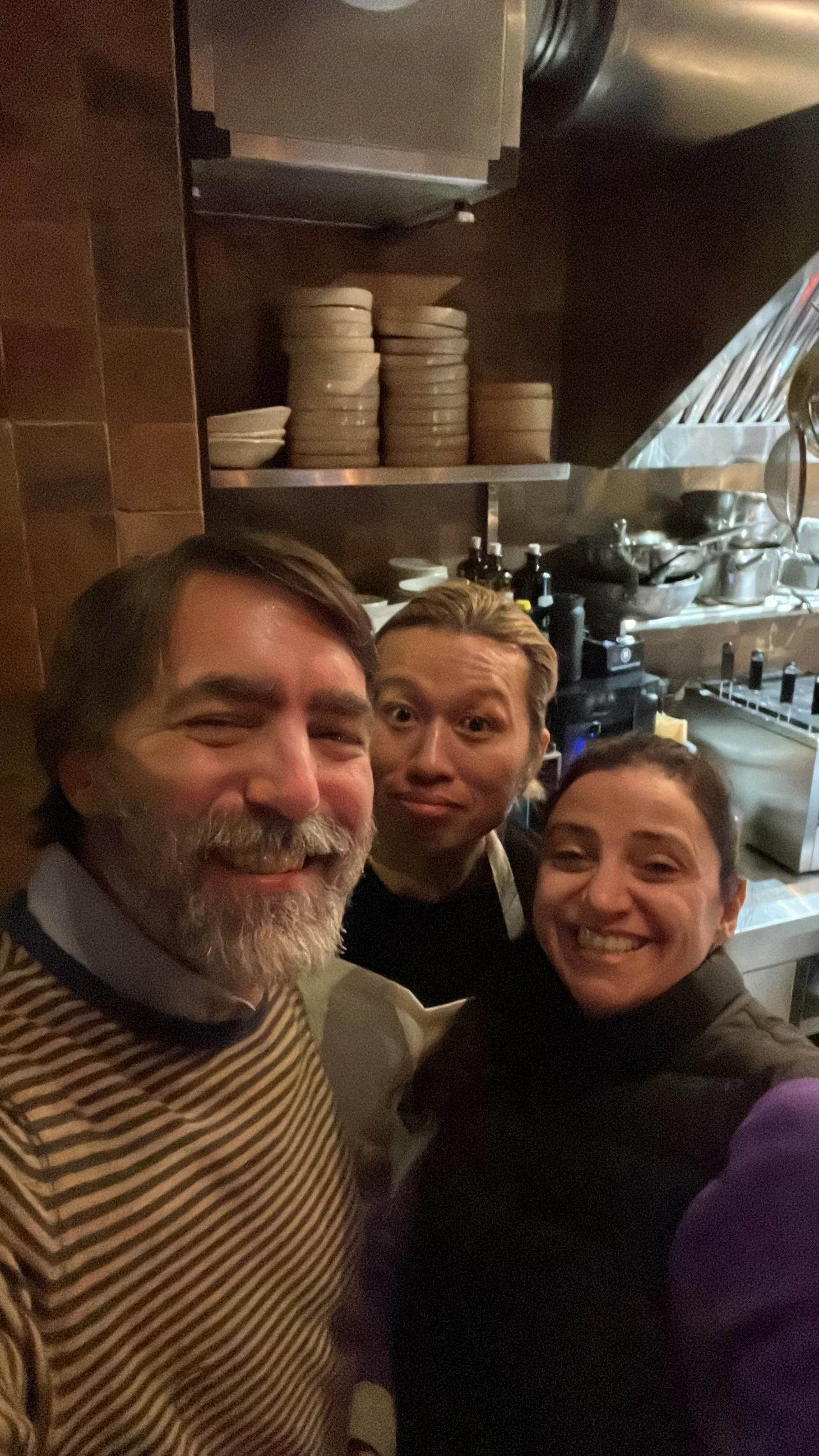
Lovely team (photo by Amber)
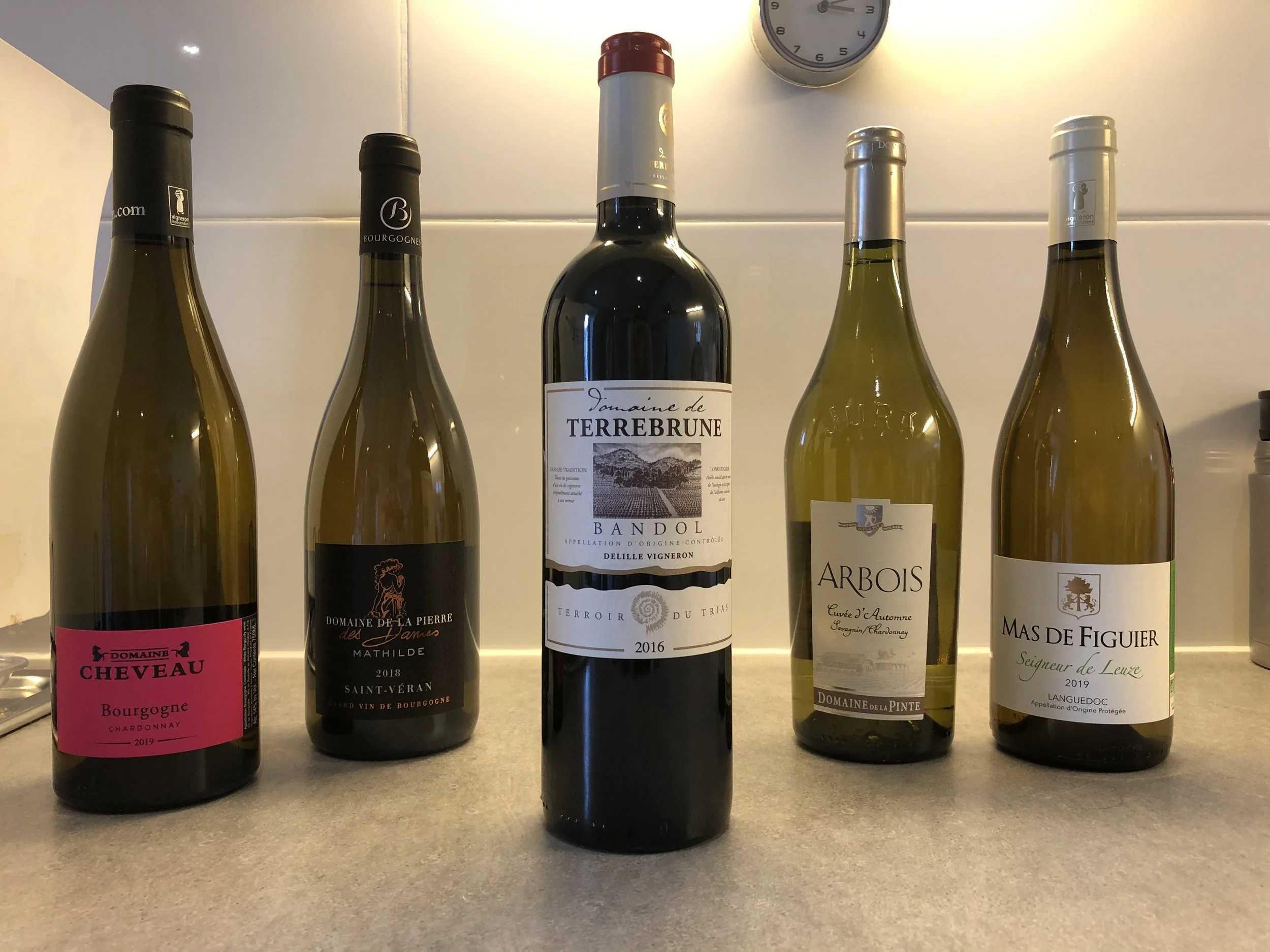
A Serious Wine Article or not !

A “philosopher” with whom I’m very close says that “The wine you like the most is actually the best wine”

Taking courage from these words, I decided to write an article on wine. However, I must confess up front that I might be way in over my head. I have many friends who know a lot about wine, I even have friends who are professionally involved in wine. While they are all out there, it’s me who’s attempting to write about wine. That’s some courage! Or maybe foolishness, we’ll see.

I will not bore you by starting with the fact that wine is an alcoholic drink produced from fresh grapes or grape juice through the process of fermentation, neither will I explain all technical details such as how during fermentation the yeast produces 1 degree of alcohol for each 17 g of sugar it consumes. Nor will I talk about how sometimes, when vines are planted too close by, they get stressed by the competion and send their roots as far as 20 m underground. However, I would still like to taste a glass of wine one day and turn around to tell my friends that “This wine has never aged in an oak barrel, it was aged in a steel tank into which oak shavings were added. It just doesn’t have the smoothness, that’s how you can tell.” Even imagining the shocked expressions of those around me is enough to give me joy right now.

Just like all other Turkish teenagers in that time, my first introduction to wine was probably by Kavaklıdere Yakut. I don’t actually remember because it has been so long, and as someone who started their drinking life with the awfully insufferable vodka and sourcherry juice, I really don’t want to go into my previous drinking experience. My true introduction to wine has come very late. When I first went into the restaurant business in 2010, I had my first chance to learn about the old and new Turkish wine brands, local grapes and their prices. That’s why it’s really not very realistic to expect a deep range of knowledge from me in such a short time, please don’t stress me with very high expectations!

When we were opening our restaurant in 2010, it was already decided that our menu would be based on fresh and local produce, therefore by selling only Turkish wine, we wanted to do our part to support the business. Another rule we had was not to have any sponsorship agreements with bigger brands so that we could include smaller producers we liked in the menu. You can see that we were very free-spirited. I saw now that we had wines from 16 different producers on the menu in 2015. It’s not bad at all for a small restaurant that seats 50 people. Of course you should never think that we forgot to take care of our customers who claim that Turkish wines ‘give them an headache’. We included 2 white and 2 red French wines for them on the menu as well. Naturally I did not see French wine as I see it now. But still I see that we still managed to choose good French brands, such as the 140 year old winery Joseph Drouhin, whose wines I had a chance to taste here in France later on. They are a 4th generation family-business in production in Burgundy. We had their Pinot Noir and Chablis on the menu. This reminds me of a joke I heard the other day. . “What gives people feeling of power?” Money? Status? Knowing that Chablis is Chardonnay? Correct answer is the last one. 

Since we’ve mentioned French wines, let’s continue in that line. When it was confirmed that we were actually moving to Paris, I decided to learn more about French wines. I started studying the wine menus at each restaurant we went to. After a couple of times, I realized that almost no restaurant has the same two producers on the menu. The menus are sometimes like little novels, pages long but still 95% of the wines are from different producers. That got me discouraged and I just thought there was no way I could accumulate any sort of knowledge. I can hear some of you saying “Don’t be ridiculous.” For those of you, I have prepared just the right analysis. And I believe this huge study deserves its own paragraph.

While we were stuck at home during the pandemic, as a way to keep myself busy, I decided to save to an excel file every single wine we drank between April 2017 and April 2021, collecting all data from my Vivino account and my phone. Yes I really did that, and I already had every wine we drank saved somewhere. The results are pure madness. To start with, in the last 4 years, we have drunk a bottle of wine every 3.5 days. However let me say, we are certainly not alcoholics. For example, I’ve been on antibiotics for 5 days and I drank a half-glass of red wine, only twice. See, I am able to control myself! I also want to give an idea on the price data I’ve collected so that you can see that there is a certain price range. Looking at that, you can understand the vastness of the French wine industry when you include all the more expensive and cheaper wines out there. Apart from a couple of specials occasions, the wines we drank are all between 20€ and 70€. This includes both supermarket and restaurant prices. It’s time to reveal numbers. In the past for years, 95% of the time with Ayca, we drank a total of 299 bottles of wine. Of these 167 are white, 123 are red and only 9 are rose. (There might a few more roses but they probably did not leave a mark strong enough to be recorded) But what is most amazing, is the number of producers these 299 bottles are from. We drank 299 bottles from 259 different producers. This is a mind blowing number for a Turkish person who has had a brief encounter with the restaurant business. I’m still analyzing the list, therefore there might be more articles about that coming your way. For now, I’ll leave it at that by finally mentioning more numbers about the regions of those bottles.
76 bottles from Burgundy, 57 bottles from Loire, 47 bottles from Rhone, 30 bottles from Languedoc-Roussillon, 28 bottles from Provance, 25 bottles from Bordeaux, 13 bottles from Alsace, 8 bottles from South-West, 5 bottles of Beaujolais, 4 bottles from Savoie, 3 bottles from Corsica, 2 bottles from Jura.

Looking at these results, we can see that as a couple we drank mostly Chardonnay and Pinot Noir, followed by Sauvignon Blanc from Loire. Are we a bit boring? Why always the same classci grapes while there were so many options out there?!?!? Ayca, let’s think about this a little, he?? Hahahaa Talking about different grapes, some of the grapes that I heard of for the first time were Poulsard from Jura, Rolle from Provance, Marsanne from Rhone, Clairette and Roussanne, Jacquère and  Gringet from Savoie. I must also say that I tasted 3 of these grapes in Septime, one of my favourite restaurants in Paris. And I remember buying the rest of them from a wine store in our neighborhood. Every year at Christmas I set myself a certain budget to gift myself some new wines. This selection is usually chosen by Didier to take me on a wine adventure. Every year is a new excitement. Didier is extremely knowledged about wine. Every year I show his selection to my philosopher friend mentioned at the beginning of the article, or should I say my friend ‘the talker’? And Didier’s selection passes his evaluation with flying colors very year. Well, if Didier has managed to pair our Turkish style chickpeas with lamb and rice with butter with an amazing bottle of white wine, what more can one say about his skills. It was an amazing pairing. In case you are able to come across it one day, it was Rieffel Winery’s Granite, from the Alsace Region.

What deserves respect in France is the amount of varity available, and the effort all producers put into keeping high-quality standards in a sustainable production approach under the pressures of the threat of enviromental change. I’m impressed by and envy how the whole society works to own and preserve their food culture.

PS: The talking philosopher whose knowledge and friendship I value immensely is Levon Bağış. Nothing should stay hidden!

Fondugues-Pradugues

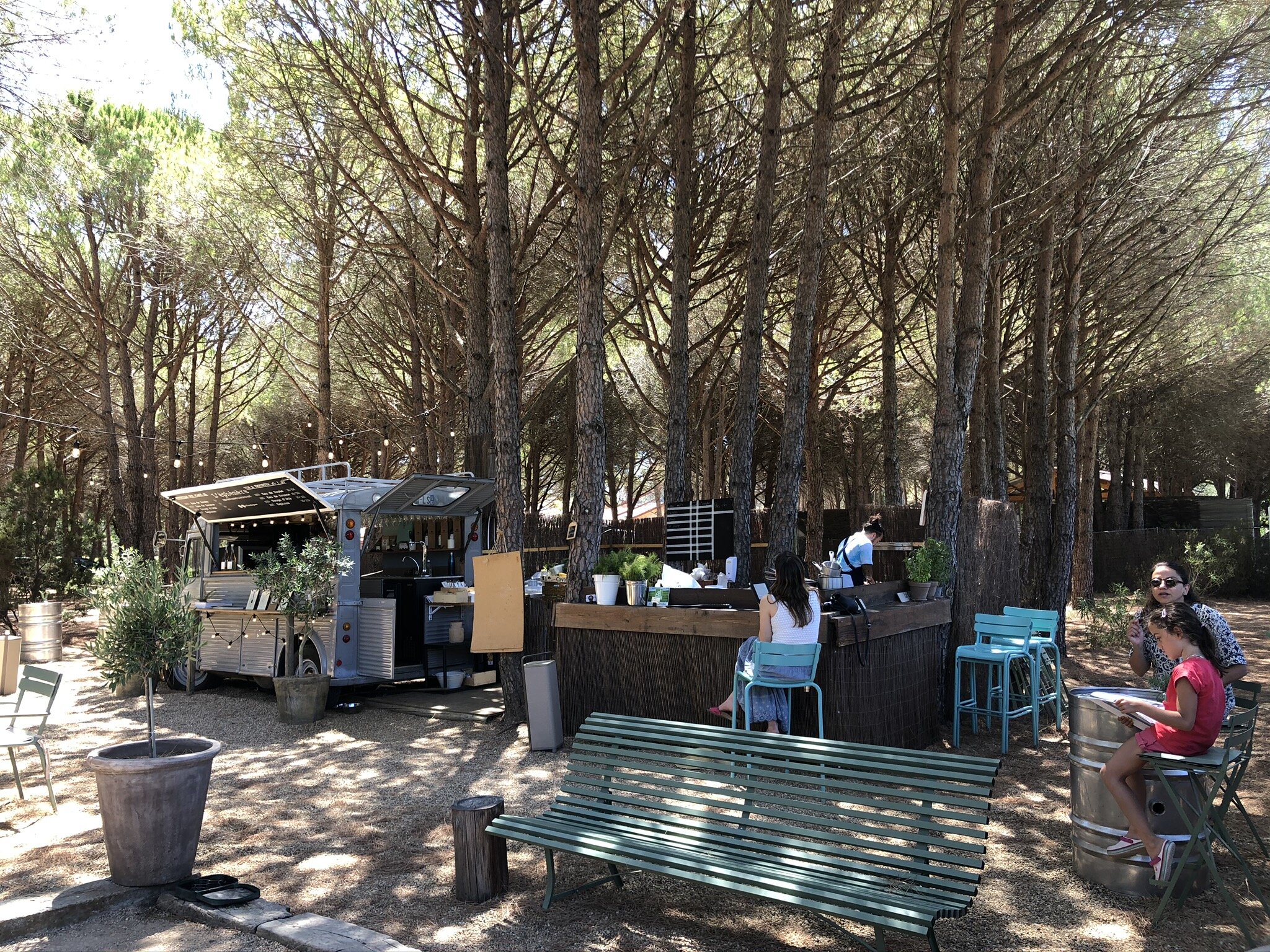
If someone were to ask me what would be my biggest learning, especially from the start, but also from the rest of the pandemia, it would be that we have to be more in-touch with nature, have to respect it and refrain from a life-style that would be harmful to it. As we were raiding the fresh produce sections of supermarkets on those first days, which one of us did not brood over the question of whether we would be able to continue to feed ourselves in the days to come? Remembering the indispensability of agriculture was a slap in the face. Which one of us did not finally understand the brutality and the barbarity of zoos (expect for foundations that treat and rehabilitate animals) during this period. For two months, we were prisoners in our own homes, the places where we usually feel the most comfortable turned into a psychological prison for most of us.  In a way, we are actually still detained in some form of confinement. We cannot stroll outside without a mask. How terrible that is! We try to breath in oxygen, our most basic need as humans, through a mask when we are outside. Nobody actually knows or explains the long-term effect this might have on our health. We are waiting for our turn to get vaccinated. We are waiting for a vaccine that was developed in a rush so that we can go back to ‘normal’, be able to go outside without a mask and hug loved ones again. One cannot stop himself from asking, how is it possible to develop a vaccine against a virus that we still have so little knowledge about. Anyway, this is not a pessimistic article. On the contrary, it will be an article talking about an amazing place. It is about a place that is in nature, respects nature and therefore takes its energy and strength from nature, the Fondugues-Pradugues winery and the pop-up restaurant right in front of it.

First let me tell you how we came upon it. You might remember from previous articles that choosing restaurants on holidays is my responsibility in the family. And I’m usually successful in my choices, but a failed attempt last summer led to my wife discovering this place. As you see there is a good in everything, a bad choice led to an amazing discovery. We were on our way back from a very average restaurant near Saint Tropez that had attached crowds who were totally happy with anything as long as it was Italian and there was pizza on the menu. While driving, we saw a garden full of light beneath tall trees that you wouldn’t realize was there if you were not looking in that direction. We couldn’t stop then but we marked it on Google maps and continued on our way. Because it was a long holiday, we were trying to go easy on our budget and therefore ate at home most of the time, choosing dinners out very carefully. It made me very upset that I had wasted one of those treats, but the prospect of a good discovery lifted my spirits a little; I can turn into a very unpleasant person when I’m disappointed. After a little research, we decided to try it for lunch one day.

Our first time was lunch on a very hot day. But the tall trees were casting a lovely shadow, and their leaves were fanning a cool breeze against the heat, therefore we were very comfortable at our table. This is one of those places you always imagine coming upon in small towns and villages. The tables are set apart from each other under the shade, the ground beneath you is pebble and earth, you are surrounded by colorful flowers, sitting right at the edge of the vineyard, the vines fully blossomed green because the harvest is very near, the view of a village set among trees on the opposite hill, an open kitchen and a vehicle that acts as an open bar with wine fridges set on its body. It is set very far from the road, and the parking space is in the opposite direction, therefore you are totally secluded from the noise and the dirt of the road and traffic. The only thing you can hear is birdsong and the wind, of course if you have not come with a very talkative company. I must add that, apart from a huge garden, there is also a petanque area so that kids can also enjoy themselves. And we were very lucky because another kid around Yasemin’s age came right after us and we could easily leisure in this amazing place for more than 2 hours. Our second time was for dinner and a friend of my daughter from school and his mom were accompanying us. The petanque area was a huge rescue once again.

For dinner, I would recommend you to reserve because they say they are fully booked most of the time. Our dinner started off with a reservation confusion. But dear Joshua Clever solved it with a very polite attitude and this way we had a chance to meet the person in charge of the restaurant part of the project. Joshua, after earning a “Natural Chef” certificate, has worked as a chef for 10 years before getting himself out of the kitchen. A restaurant manager with a kitchen background is always a good idea. If you have any questions about the food, you have someone very knowledgeable about the recipes and the ingredients to enlighten you. Joshua met Stephen Roberts in Chicago and they also lived together in Paris. When the project first came up, Stephen invited Joshua to join him here. He told us they had a good year even with the pandemia and he is planning to be here in 2021 as well to help with the new tasting atelier. He says that he loves the south of France especially in summer and plans to spend time here as long as he can.

The Fondugues-Pradugues is 18 hectares in total, 15 of which are vineyards. Laurent Nouvion’s mother Danielle Rey bought her first land in the 60s and and in time proceeded to buy adjoining plots to reach the size it is today. Danielle is a fifth generation wine-maker from the Languedoc region. You could say that as a family they know what they are doing. Hahaaha We met Stephen Roberts at the end of our dinner. Stephen is Laurent’s husband and has been living in France since 1999. He might be the newest addition to the family in the wine business but the greatest change has come through him. Stephen has worked at United Nations before and he has always been actively involved in environmental issues. Especially after their first daughter was born in 2010, he has wanted to take more responsibility about the issue. He started this first in his own land. He converted their holiday home into a working farm where their children could grow up in a cleaner and healthier environment. While studying wine, he also continued work to prepare the land for organic production. They harvested their first produce in 2014. He explains this process as follows:

“We added horses to work the land and sheep that come in winter and eat our ground cover. Biodynamic farming became a logical continuation after organics since the charter is very cohesive and helpful in choosing when to work on the vineyard according to the astrological and lunar calendars. Natural wines is a result of this coherence as well since following all these basic rules in farming and wine-making help make wines that taste like the place or terroir, I believe our wines are a true reflection of the Ramatuelle plain, which has its own special micro-climate. I use temperature control in order to keep our rose wine light in color and fresh, and this year is our first year of using zero sulphate in the winery during harvest, we have finally achieved this and I am very proud.”

Eventualy they became the first vineyard to receive the Demether certificate in the region. (Demether certificate is valid in 50 countries, given out since 1928, verifying that the production is compliant with the biodynamic regulations accepted internationally) They are growing Cabernet Sauvignon, Syrah, Grenache, Rolle, Cinsaut, Chardonnay, Mourvèdre, and Merlot grapes. They produce about 25.000 bottles every year but are aiming to increase this up to 60.000 with new investments. 80% of the production is bottled as rosé and 20% as red, but he added that they will start working on white production next year. Towards the end of dinner, Joshua had a surprise for us. He gave us a bottle without a label. He said for now we are sharing this with friends and family only. How lucky we were! It is a wine of %100 Mourvèdre that they are planning to label in 2021. Who knows, maybe this summer I can write once again from Fondugues-Pradugues and get a chance to babble on about this wine.

So far we have talked about the magic of the place, the visions of Stephen and hospitality of Joshua, but we haven’t talked about the last person who has made this place perfect in my opinion. Valentine Costuna. Valentine is a 29 year old Australian chef. His passion for cooking is inherited from his family. Both his mother’s delicious cooking and the fact that both his father and grandfather being chefs, have led his to start working at a fine-dining restaurant when he was only 15. Even though he is only 29 years old, he has a lot of experience up his sleeve. He talks about some of his previous experiences before Fondugues as follows:

“I have been very fortunate to cook in quality kitchens all over the world. Some of my favorites and most impactful experiences were at Moxhe - a magnificent, charming seafood restaurant in Sydney. The powerhouse classic québécois bistro Joe Beef in Montreal, Canada. As well as a restaurant that was ranked 32nd in the world whilst I was there, Astrid y Gaston in Lima, Peru! I was also very fortunate to cook on expedition vessels in the Arctic and Antarctic for a couple of years. These experiences were indeed full of highlights.”

When I asked his about his own cooking style, what he feels about sustainability and what he likes cooking best, the responses I got were exactly as I had imagined them to be. They were totally in line with the vision of Stephen about the place.

“ I describe my food style at l'éphémère to be "refined, rustic" cuisine du marché. I deeply believe that cooking seasonally and sustainably is essential; not only in the restaurant business but also for in our homes and in our lives... Not to mention for the planet! I am pleased to see a resurgence of both farm to table and sustainable cooking in the restaurant world. We certainly need it.

I love most to cook with fresh & especially live seafood. I have worked closely with fish and seafood for many years and I love it so much because it is the most incredible expression of freshness. The difference between fresh fish that has been caught, killed & handled properly to another product, is so pronounced. This quality of seafood of course exists in France but I do miss the blend of these products with strong, spicy and herbaceous flavors that is so brilliantly done in Asia.”

One of the other things I was curious about was wine pairing because Fondugues serves only its own wines. Therefore I was curious whether he felt limited by this and what he did to overcome it.

“We have a chalkboard menu that changes in some way each day. This allows me to cook simply, yet freely. We offer both wine flight options with matching tapas as well as a chef’s inspiration menu which can be paired with wine. Actually, consistently pairing the same wines with different foods can teach us how foods pair differently with the same wine given their characteristics. So even though it can be restricting in ways, it's also educational and fun.”

Another object of interest was what kind of an adaptive rhythm he found as he was working on French soil known for its intricate bureaucracy, with a half French half American family. This is personally what I like the most about Paris and the South of France, the variety but I wanted to know what an Australian thought about this.

“We feel that we have magically found a way to find likeminded people, in the oddest of circumstances. Fortunately we have a similar concept on what good service is, as well as appreciating each other's style and taste. I am impressed with how we are able to bounce off of one another and how we continue to find inspiration and execute our ideas together”

I found out that I took a while for Valentine, Stephen and Joshua to find each other on skype. A lot of people were involved from the old owners of Yard to Septime to people in Quebec but eventually it has ended up in a perfect collaboration. And I’m so glad that it did. There are two chefs that Valentine follows all the time, Francis Mallmann and Alain Passard. He finds both their stories and kitchens magical and he romances dreams where he finds himself chatting with the two around an open fire in the garden. I definitely think that he should at some point work in Paris. Well, this might be a little selfish on my side, but he has actually had pop-ups in Paris before, only never stayed permanently.

By the way Valentine if you are reading this, I have some good news for you too. Stephen wants to give you your own garden if he can find a good gardener. Wouldn’t it be just great, you would collect your produce in the morning, cook it during the day and we’ll come and eat it at dinner?

(Last minute information: Valentine won’t be in Fondugues-Pradugues 2021 summer because of the Covid situation in Europe.)